Explore Stories, Culture & Food from Nepal
Welcome to the Gorkha Haat Blog — your digital gateway into Nepali traditions, Gorkhali culture, authentic food stories, travel guides, arts, and the lifestyle of Nepal. Discover recipes, cultural rituals, festivals, and local community stories that keep you connected with the true essence of Nepal.
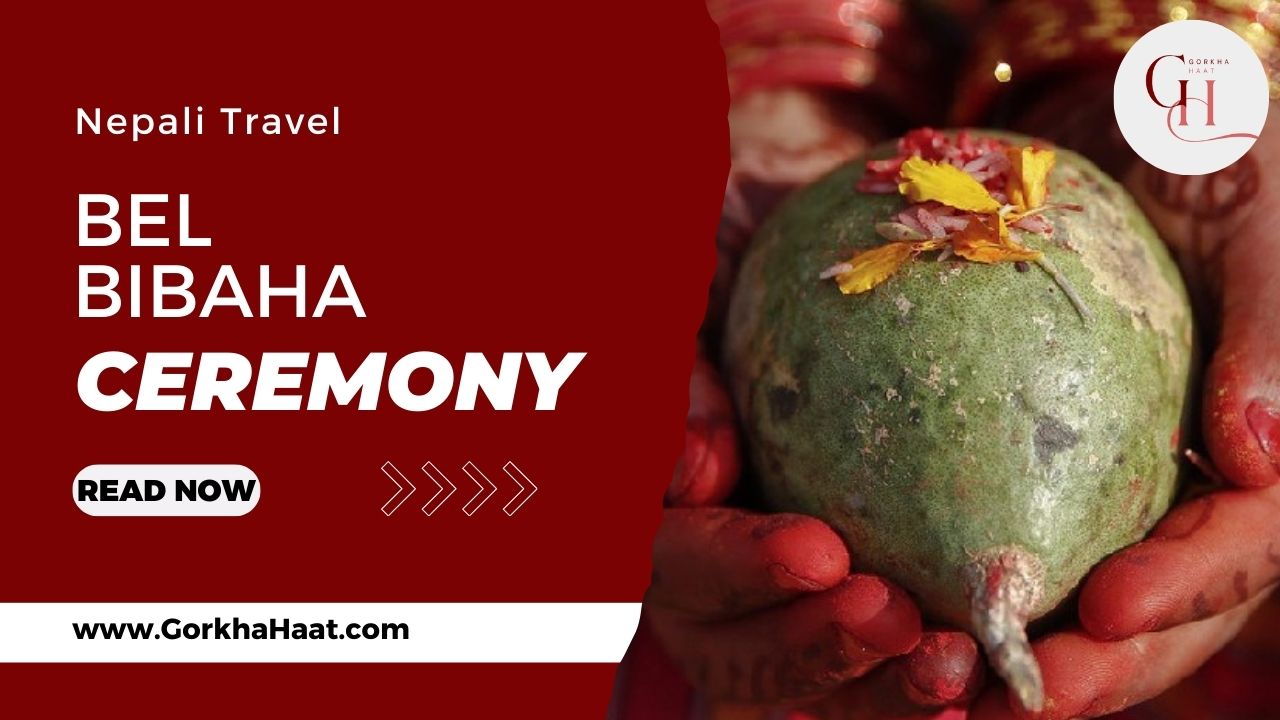
Bel Bibaha (Ihi) in Nepal and Darjeeling Queen of Hills: Meaning, Rituals, Significance & Newar Cultural Tradition
Discover Bel Bibaha – Newar girls’ divine marriage to Bel fruit (Lord Vishnu). Full rituals, meaning, and differences between Kathmandu Valley and Darjeeling traditions.
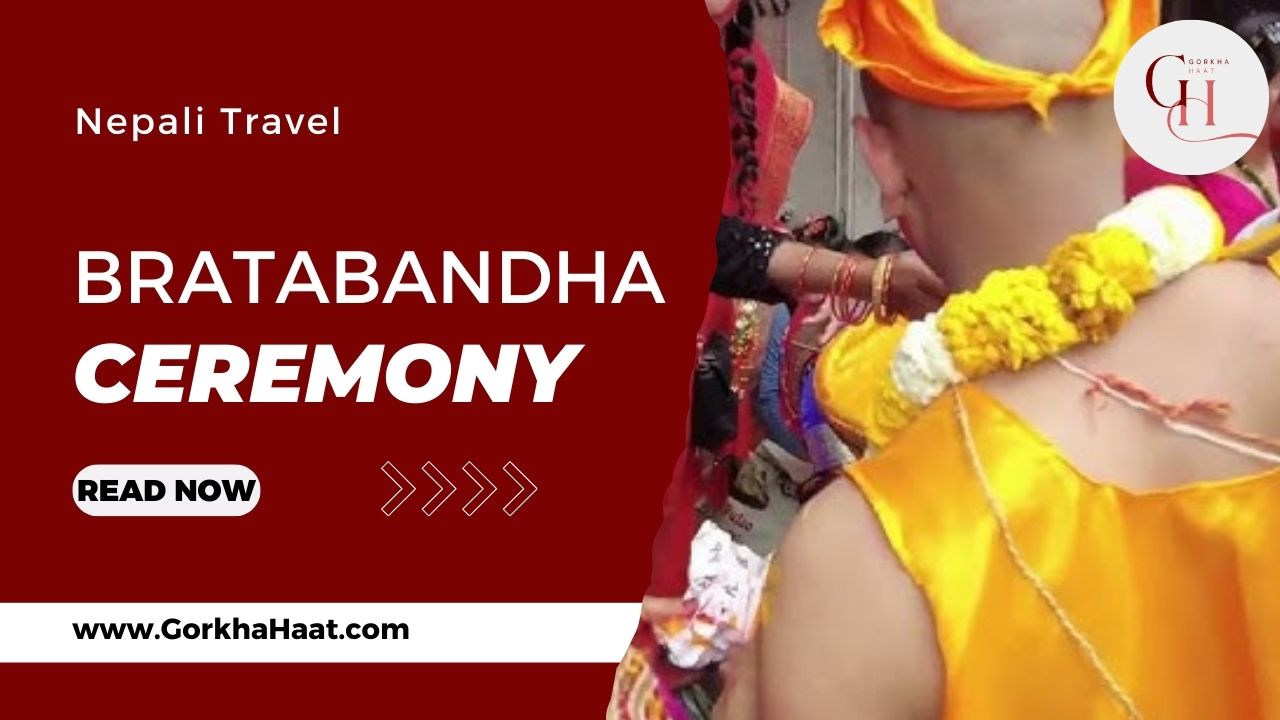
Bratabandha Ceremony in Nepal & Darjeeling: Meaning, Rituals, Traditions & Cultural Significance
Explore Bratabandha (Upanayana) – sacred thread ceremony rituals, Gayatri Mantra, Janeu significance & differences between Nepal and Darjeeling Gorkha traditions.
Nwaran – Naming Ceremony in Darjeeling and Nepal: Rituals, Astrology & Cultural Significance
Nwaran, the traditional naming ceremony in Nepal, is a sacred ritual where newborns receive their name based on astrological calculations and blessings from gods and family. It marks purification, protection, and the child’s formal introduction into culture and community.
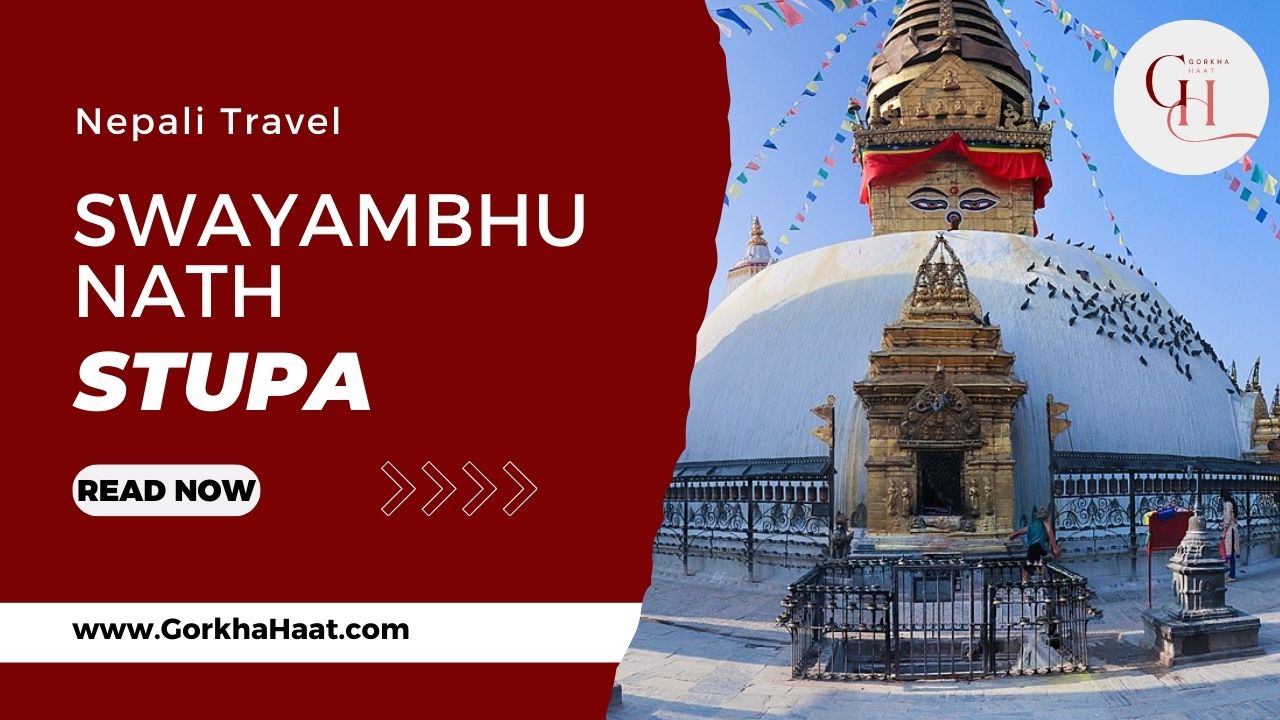
Swayambhu (Swayambhunath) Stupa: History, Legends, Architecture & Spiritual Guide
Swayambhu (Swayambhunath) Stupa is one of Nepal’s oldest and most sacred Buddhist monuments. Known for its serene hilltop setting, iconic Buddha eyes, and rich spiritual history, it remains a powerful symbol of enlightenment, peace, and cultural harmony in the Kathmandu Valley.
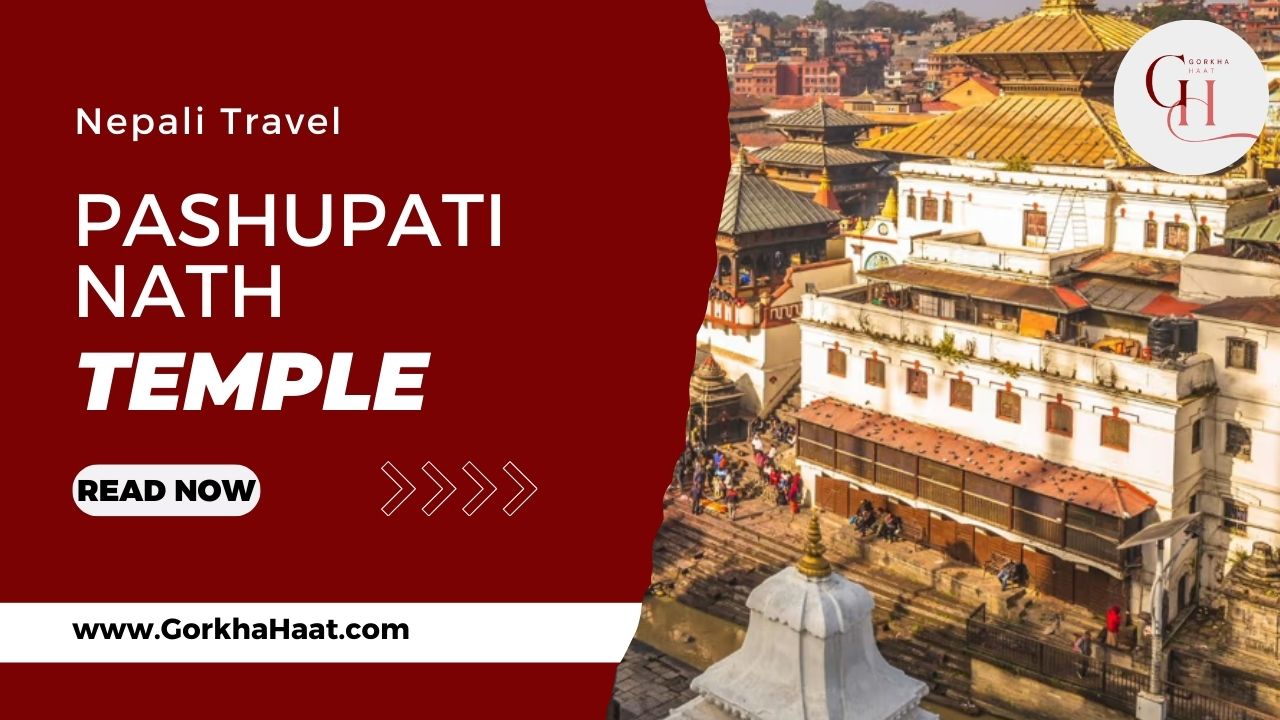
Pashupatinath Temple: History, Spiritual Significance & Complete Guide (2026)
Pashupatinath Temple is Nepal’s most sacred Shiva shrine, known for its ancient architecture, spiritual energy, and centuries-old rituals. Located by the Bagmati River, this UNESCO World Heritage Site remains a powerful center for Hindu devotion, culture, and traditional ceremonies.
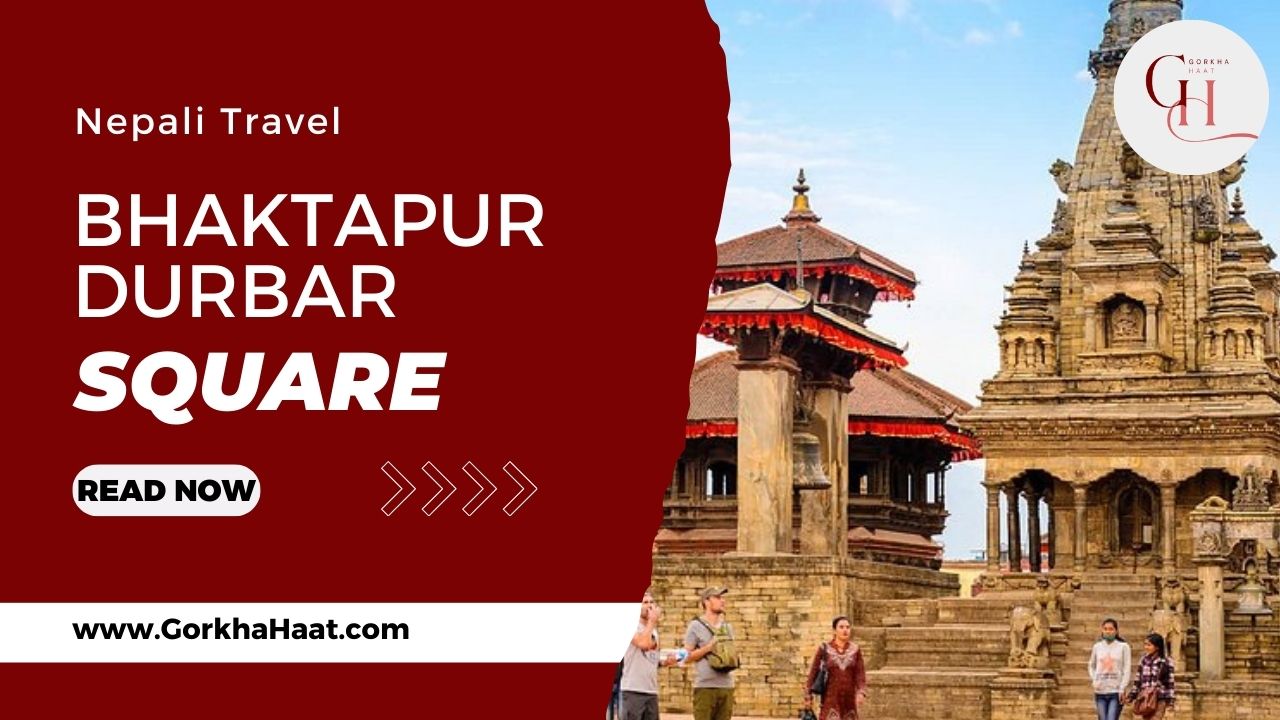
Bhaktapur Durbar Square: History, Temples & Complete Travel Guide (2026)
Bhaktapur Durbar Square is a UNESCO World Heritage Site known for its ancient palaces, temples, wood carvings, and vibrant Newar culture. A living museum of Nepal’s history, it continues to preserve traditional craftsmanship, festivals, and royal heritage in the most authentic form.
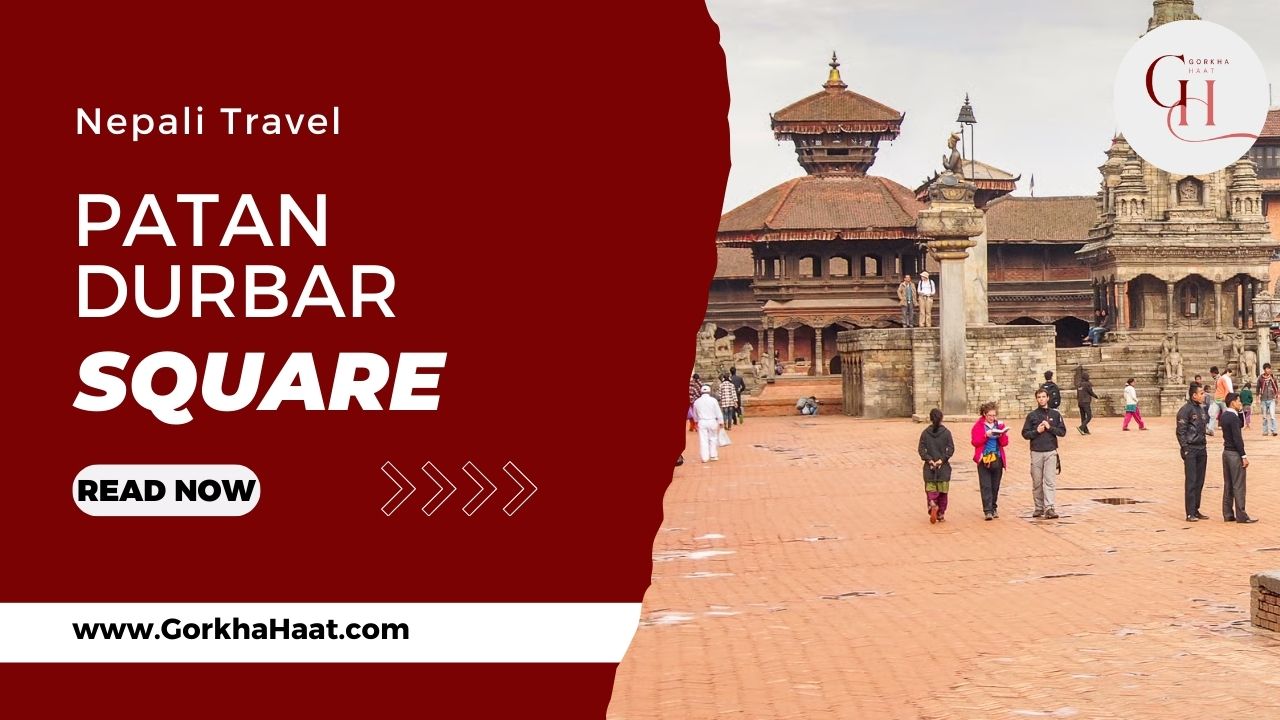
Patan Durbar Square: History, Architecture & Cultural Significance of Nepal’s Royal Heritage Site
Patan Durbar Square is a UNESCO World Heritage Site known for its Newa architecture, ancient temples, royal courtyards, and rich cultural life. Explore its history, spiritual significance, and artistic brilliance.
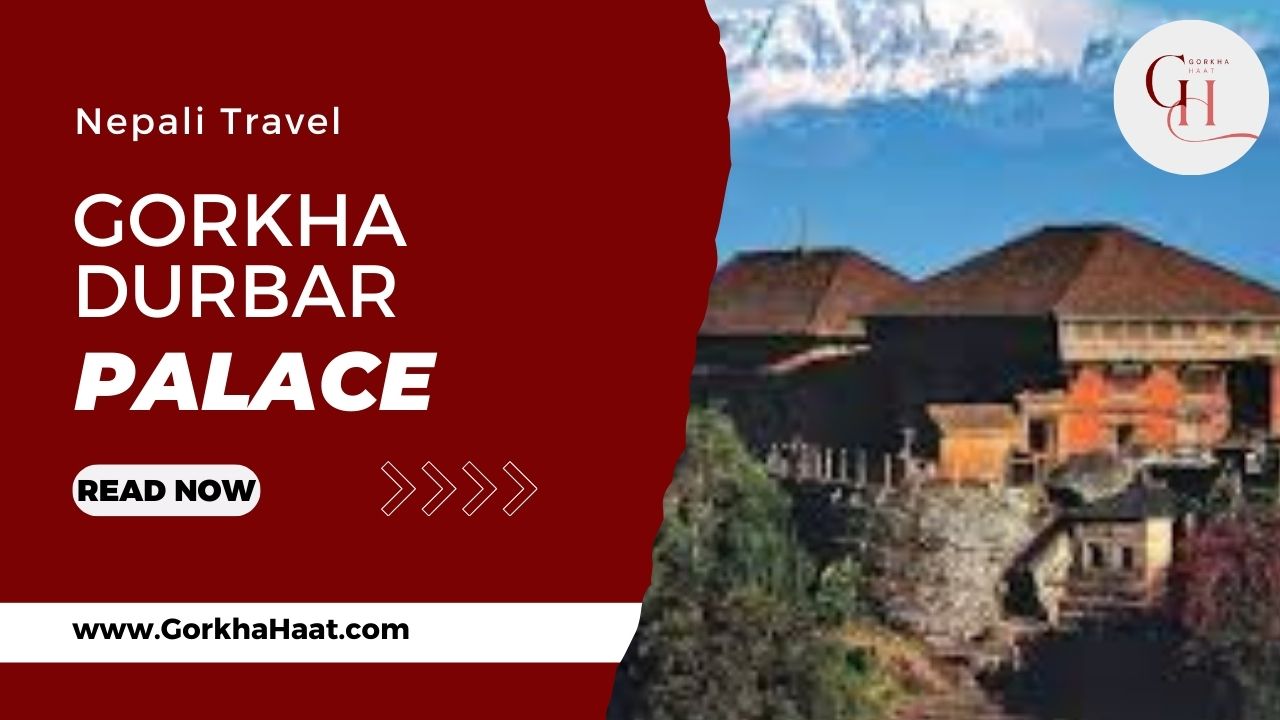
Gorkha Durbar: History, Architecture & Heritage Significance of Nepal’s Iconic Hilltop Palace
Gorkha Durbar is a historic hilltop palace known as the birthplace of Nepal’s unification. Blending Newa craftsmanship, temples, and panoramic Himalayan views, it remains one of Nepal’s most culturally significant heritage sites.
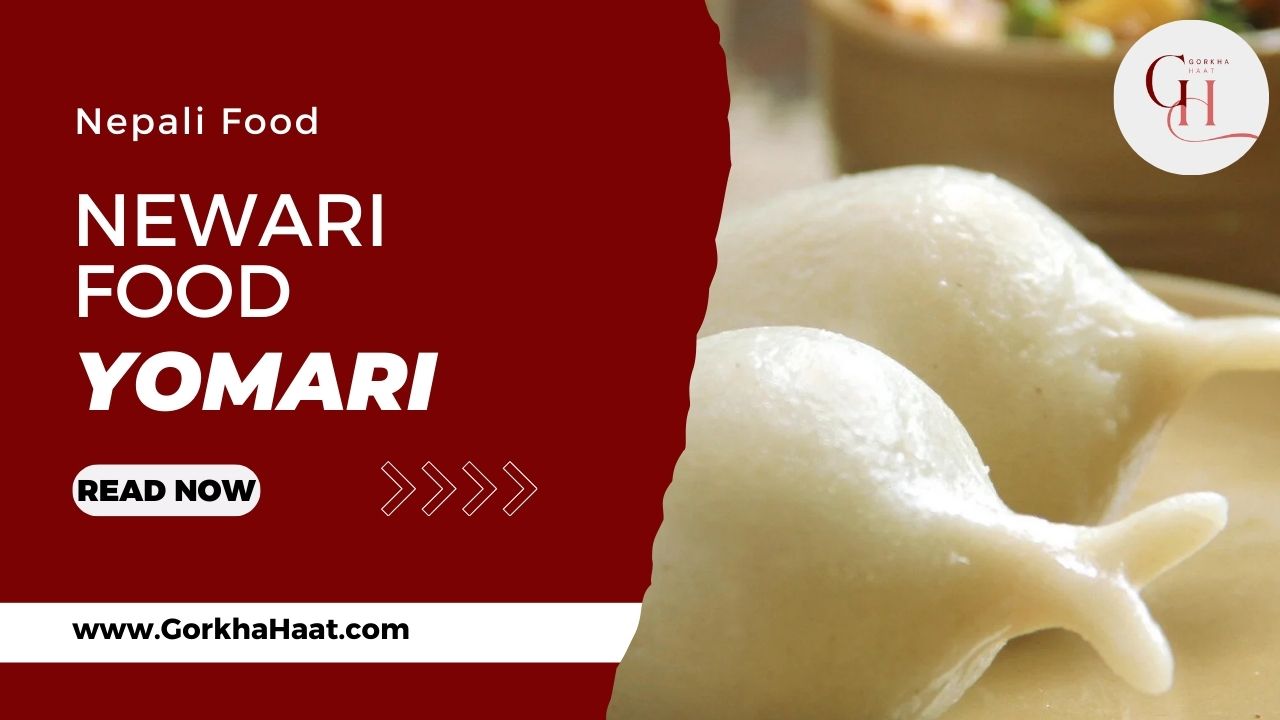
Newari Food Yomari Punhi 2025 Darjeeling: Authentic Newa Sweet Dumpling Recipe & Festival | Gorkha Haat
Yomari is a traditional Newa steamed dumpling filled with chaku, sesame, or khuwa. Celebrated especially during Yomari Punhi, it symbolizes prosperity, good harvest, and cultural heritage. Discover its history, preparation, variations, and cultural significance.