Nwaran – Naming Ceremony in Darjeeling and Nepal: Rituals, Astrology & Cultural Significance
Nwaran: The Sacred Naming Ceremony – A Bridge Between Nepali Roots and Darjeeling's Gorkha Heritage
Hello, dear readers of Gorkha Haat! I'm your dedicated content writer here in the misty hills of Darjeeling, where the aroma of fresh tea leaves mingles with the echoes of our rich cultural traditions. As someone deeply rooted in this vibrant Gorkha community, I often find myself reflecting on the customs that bind us to our ancestral homeland in Nepal while evolving in the unique landscape of India. Today, I'm thrilled to dive into one such cherished ritual: Nwaran, the traditional naming ceremony for newborns. This isn't just a formality; it's a profound celebration of life, identity, and spiritual connection.
In Nepal, Nwaran is a cornerstone of Hindu life, steeped in Vedic wisdom and astrological precision. But here in Darjeeling, among the Indian Gorkhas, it takes on subtle nuances shaped by our history of migration, colonial influences, and integration into broader Indian society. We'll explore the rituals, significance, and cultural meanings in both contexts, highlighting how they differ yet remain interconnected. Whether you're a young parent planning your child's Nwaran or simply curious about our heritage, this deep dive aims to enrich your understanding. Let's embark on this journey together, spanning the Himalayas from Nepal's valleys to Darjeeling's tea estates.
Understanding Nwaran: Origins and Essence
Nwaran, derived from the Sanskrit word "Nava" meaning new and "Arana" implying protection or shelter, is essentially a rite of passage that welcomes a newborn into the world with a name, blessings, and divine safeguarding. In Nepal, where Hinduism dominates and ancient Vedic texts guide daily life, Nwaran is performed strictly according to Hindu traditions. It's a purification ritual that cleanses the child and mother from the impurities associated with childbirth, while assigning a name aligned with the stars.
For us in Darjeeling, the Gorkha community—descendants of Nepali migrants who settled here during the British era for tea plantations and military service—Nwaran holds the same core essence but with a touch of adaptation. Our forebears brought these rituals from Nepal's mid-hills, particularly from regions like Gorkha district, which gave us our ethnic name. However, living in India has infused our practices with local flavors. For instance, while Nepali families might adhere rigidly to caste-based roles in the ceremony, in Darjeeling, the caste system is far less pronounced. As per historical accounts of Indian Gorkhas, our community has become more liberal, with inter-caste marriages common and rituals simplified to fit busy lives amid tea gardens and tourism.
In Nepal, Nwaran is often a family affair in rural villages, surrounded by extended kin. Contrast this with Darjeeling, where urban influences mean ceremonies might occur in community halls or even incorporate elements from neighboring Bengali or Lepcha cultures, like adding local flowers or sweets to the offerings. Yet, the spiritual heart remains: it's about linking the child to their cosmic destiny, ancestors, and community. This dual perspective reminds me of my own family's stories—my grandparents from Nepal described elaborate village feasts, while here in Darjeeling, we've blended it with Indian festivals like Durga Puja timings for convenience.
The Timing of Nwaran: When Tradition Meets Practicality
Timing is everything in Nwaran, as it symbolizes the end of the initial seclusion period post-birth, allowing the family to reintegrate into society. In traditional Nepali Hindu practice, the ceremony is ideally held on odd-numbered days: the 3rd, 5th, 7th, 9th, or 11th day after birth. This stems from astrological beliefs that these days align favorably with planetary energies. For boys, the 5th or 11th day is preferred, while girls might have it on the 3rd or 7th. Factors like the mother's health or astrological consultations can delay it, but it's rarely postponed beyond a month.
In Darjeeling's Gorkha community, we see slight variations that reflect our adaptive spirit. Historical records of Indian Gorkhas note that the naming often happens on the 7th or 9th day, perhaps influenced by local customs or the demands of plantation work schedules. Unlike in Nepal, where rural isolation allows for precise adherence, Darjeeling's families might adjust for weekends or government holidays, blending Hindu auspiciousness with modern calendars. I've heard elders share how, during the British Raj, ceremonies were hurried to accommodate army duties, leading to a more flexible approach today.
These differences highlight broader cultural shifts: Nepal's practices remain more orthodox, tied to lunar calendars and priestly dictates, while Darjeeling's are pragmatic, incorporating Indian legal naming requirements (like birth certificates) alongside rituals. Still, the underlying purpose endures—marking a safe transition for mother and child, ensuring they're purified before social interactions.
Astrological Foundations: Stars Guiding Names Across Borders
At the core of Nwaran lies Jyotish Shastra, or Vedic astrology, which views the universe as interconnected energies influencing human fate. In Nepal, the priest meticulously prepares the janma kundali (birth horoscope) using the exact birth time, date, and location. This chart determines the child's rashi (zodiac sign) and the auspicious starting syllable for their name, known as Naam Rashi. For example, if the rashi is Mesh (Aries), names might begin with 'A', 'L', or 'E'—believed to harmonize with planetary vibrations for luck and protection.
This astrological emphasis is vivid in Nepali folklore, where stories abound of children thriving due to well-aligned names. Parents consult pandits from local temples, and the kundali becomes a lifelong guide for milestones like education or marriage.
In Darjeeling, astrology remains pivotal, but with a Gorkha twist. Our community, influenced by both Hinduism and Buddhism (prevalent among some hill tribes), sometimes consults lamas alongside Hindu priests, creating a syncretic approach. The caste system's dilution means anyone can perform basic calculations, not just Brahmins. Moreover, with access to Indian astrological software and apps, modern Gorkhas in Darjeeling might blend traditional methods with digital tools, differing from Nepal's reliance on handwritten charts.
Differences emerge in name selection too. In Nepal, names often draw from Sanskrit epics like Ramayana, emphasizing purity. In Darjeeling, influences from English education and Bollywood lead to hybrid names—think "Aryan" for Aries rashi, but with a Western flair. Astrologically, both regions believe aligned names ward off doshas (flaws) like manglik, but Darjeeling's practices are less fatalistic, viewing astrology as guidance rather than destiny. This reflects our liberal ethos, where education and opportunity temper traditional beliefs.
To illustrate, consider common syllables:
For Vrishabha (Taurus): 'B', 'V', 'U' in Nepal might yield "Bishnu"; in Darjeeling, "Vikram" with a nod to Indian heroes.
Mithuna (Gemini): 'K', 'Ch', 'Gh' could be "Krishna" traditionally, or "Kiran" modernly here.
This astrological thread weaves our identities, but Darjeeling's version adds resilience, born from our history of migration and adaptation.
The Rituals Unfolded: Step-by-Step in Nepal and Darjeeling
The beauty of Nwaran lies in its rituals, a symphony of chants, offerings, and family unity. Let's break it down, comparing the two regions for a fuller picture.
Starting with purification (Shuddhikaran): In Nepal, the home is ritually cleansed with cow dung and holy water, symbolizing removal of sutak (impurity). The mother, after her recovery bath, joins clad in new clothes. In Darjeeling, this is similar but often uses Ganga jal (from Indian rivers) instead of purely Nepali sources, and homes might be decorated with marigolds from local markets, blending Bengali influences.
Next, setting the sacred space: A mandap is created with a kalash (pot) filled with water, mango leaves, and coconut—representing fertility. Offerings include rice, fruits, ghee, and incense. Nepali versions feature beaten rice (chiura) prominently, a staple. In Darjeeling, we add tea leaves or rhododendron flowers, tying to our hill environment, making it more nature-centric.
Invocation follows: Priests chant to Ganesh, Navagraha, and kuldevatas. In Nepal, this is elaborate, with fire rituals (homa) lasting hours. Darjeeling's Gorkhas, influenced by Buddhism, might include prayers to Guru Rinpoche, creating a interfaith harmony absent in orthodox Nepal.
Preparing the kundali: The priest calculates positions—sun, moon, planets. In Nepal, it's manual; in Darjeeling, software aids accuracy, especially for diaspora families.
The naming moment: The elder whispers the name thrice into the child's ear. Nepal favors two names—Aatma Naam (spiritual) for rituals, and Lokik Naam (worldly). In Darjeeling, the spiritual name might be less emphasized, with English nicknames common for school.
Blessings (Ashirwad): Family touches the child's feet, offering tikka and gifts. Nepali feasts feature sel roti and meat curries; Darjeeling adds momos or thukpa, reflecting our culinary fusion.
Offerings conclude with prasad distribution. In Nepal, it's temple-bound; here, community potlucks prevail.
These steps, while shared, show Darjeeling's rituals as more inclusive and abbreviated, lasting 1-2 hours versus Nepal's full day.
Cultural Significance: Binding Communities and Generations
Nwaran isn't just ritual; it's cultural glue. In Nepal, it reinforces social structures, marking the child's place in caste and lineage, preserving Vedic heritage amid modernization.
For Darjeeling's Gorkhas, it's a assertion of identity. Amid struggles for Gorkhaland, Nwaran connects us to Nepali roots while affirming Indian belonging. It fosters community in tea estates, where neighbors gather, strengthening bonds in a diaspora setting.
Both regions see it as protection against evil, but Darjeeling adds resilience themes—names inspiring bravery, echoing our military legacy.
Modern Adaptations: Evolving with the Times
Globalization touches Nwaran everywhere. In Nepal, urban families livestream ceremonies, blend with baby showers, or choose gender-neutral names.
In Darjeeling, adaptations are bolder: Virtual consultations via apps, eco-friendly offerings, or combining with Christian elements for mixed families. Photographers capture moments for social media, and venues shift to resorts.
Yet, essence persists—spiritual naming amid joy.
Key Differences: Nepal vs. Darjeeling
While similarities abound, differences stem from geography and history:
Rigidity vs. Flexibility: Nepal's orthodox, caste-tied; Darjeeling's liberal, interfaith.
Timing and Duration: Nepal's odd days strictly; Darjeeling's adjustable.
Influences: Nepal's pure Vedic; Darjeeling's syncretic with Indian/Buddhist elements.
Social Context: Nepal's village-centric; Darjeeling's community-driven amid urbanization.
Names: Nepal's traditional; Darjeeling's hybrid.
These variances enrich our shared heritage.
Conclusion: Preserving Nwaran for Future Generations
As I wrap this from my Darjeeling desk, overlooking Kanchenjunga, Nwaran reminds us of our unbreakable ties to Nepal while celebrating Darjeeling's unique Gorkha spirit. Whether in Kathmandu's temples or Kalimpong's halls, it's a testament to life's sacred start. Let's cherish and adapt it, ensuring our children inherit this legacy. Share your Nwaran stories in comments—until next time, stay connected to your roots!
Gorkha Haat Team
We share stories of authentic Nepali heritage, food, culture, and local markets.
Related Posts

Sel Roti Recipe: Authentic Darjeeling-Style Nepali Rice Doughnut for Dashain & Teej | Gorkha Haat
Sel Roti is a traditional Nepali rice doughnut enjoyed during festivals like Dashain, Tihar, and Maghe Sankranti. Learn about its origins, preparation, cultural significance, and modern variations.
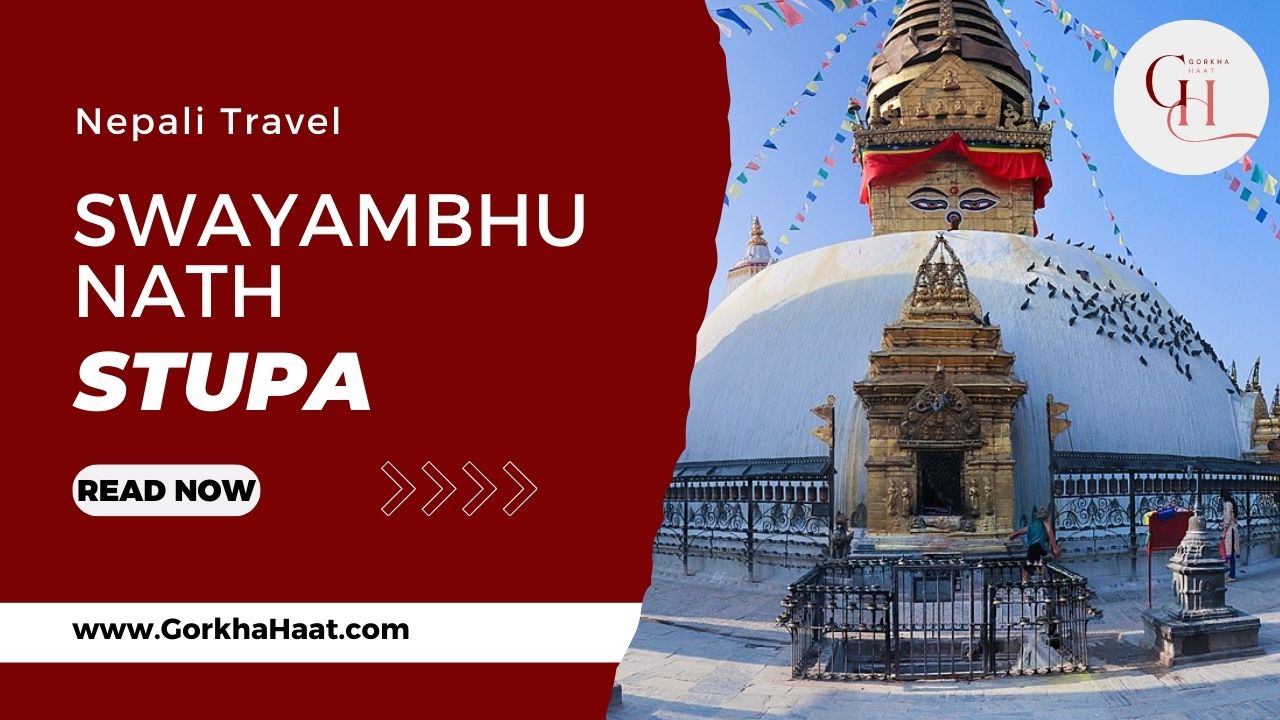
Swayambhu (Swayambhunath) Stupa: History, Legends, Architecture & Spiritual Guide
Swayambhu (Swayambhunath) Stupa is one of Nepal’s oldest and most sacred Buddhist monuments. Known for its serene hilltop setting, iconic Buddha eyes, and rich spiritual history, it remains a powerful symbol of enlightenment, peace, and cultural harmony in the Kathmandu Valley.
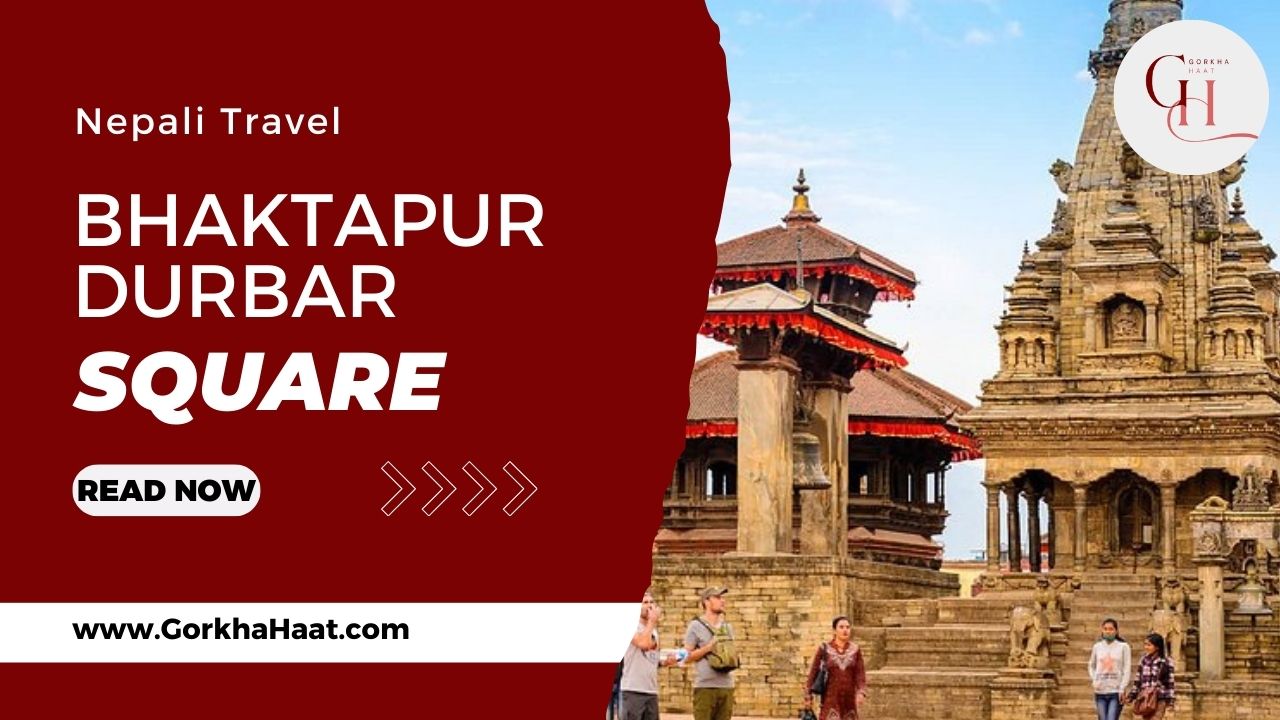
Bhaktapur Durbar Square: History, Temples & Complete Travel Guide (2026)
Bhaktapur Durbar Square is a UNESCO World Heritage Site known for its ancient palaces, temples, wood carvings, and vibrant Newar culture. A living museum of Nepal’s history, it continues to preserve traditional craftsmanship, festivals, and royal heritage in the most authentic form.
Comments
User Name
This is an example comment. Users can leave feedback here.