Pashupatinath Temple: History, Spiritual Significance & Complete Guide (2026)
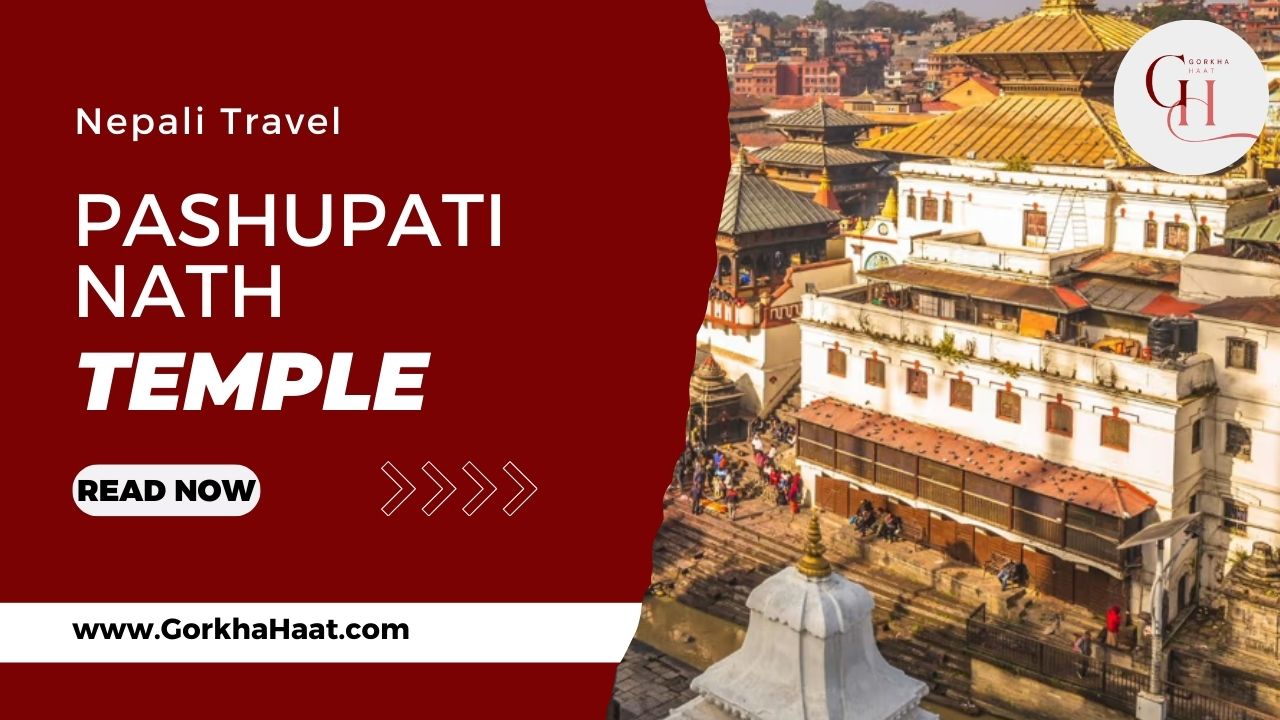
Pashupatinath Temple: Nepal’s Sacred Abode of Shiva and Timeless Center of Hindu Spirituality
Pashupatinath Temple, located on the serene banks of the Bagmati River in Kathmandu, is one of the holiest and most spiritually significant temples dedicated to Lord Shiva. Recognized as a UNESCO World Heritage Site, Pashupatinath is more than just a religious monument—it is a living embodiment of Hindu dharma, centuries-old rituals, philosophical depth, and cultural heritage. Pilgrims from Nepal, India, and around the world visit this sacred temple to seek blessings, observe ancient traditions, and experience the profound energy that surrounds the divine presence of Lord Pashupatinath.
As the guardian deity of Nepal and the “Lord of All Living Beings,” Pashupatinath holds immense reverence in Hinduism. The temple is believed to date back to the 5th century, though legends suggest it has existed since time immemorial. With its gold-plated roof, intricate carvings, stone sculptures, cultural ceremonies, and spiritual atmosphere, Pashupatinath remains a timeless symbol of faith.
In this article, we explore the history, legends, architecture, rituals, festivals, spiritual significance, and traveler insights about one of the most sacred Shiva temples in the world.
Historical Origins and Legends of Pashupatinath
Ancient Beginning
The earliest inscription of Pashupatinath dates to 477 CE during the Licchavi period, but archaeological evidence suggests the site was revered long before formal documentation. The complex expanded significantly under the Malla kings, who were great patrons of temple-building and stone craftsmanship.
The Divine Legend
One of the most popular legends describes how Lord Shiva disguised himself as a deer and roamed the forests of the Kathmandu Valley. The gods searched for him and finally found him by the Bagmati River. When they attempted to capture him, Shiva leapt into the river, leaving behind one of his horns. This horn was later discovered and worshipped as the first Shiva Linga of Pashupatinath.
This legend symbolizes the cosmic nature of Lord Shiva—untamed, free, and beyond human understanding—yet compassionate and accessible to devotees.
Architectural Grandeur of Pashupatinath Temple
Pashupatinath’s architectural and cultural richness makes it one of the finest examples of pagoda-style temple design in Nepal. The main temple is a masterpiece of traditional craftsmanship.
Main Features
Two-story pagoda roof covered with pure gold
Four silver-plated doors facing cardinal directions
Sacred Shiva Linga inside the sanctum, featuring four faces: Tatpurusha, Aghora, Sadyojata, and Vamadeva
Copper and wood carvings showcasing deities, celestial beings, and mythical creatures
Nandi Statue, Shiva’s faithful bull, sitting in devotion before the main entrance
Only Hindus are allowed to enter the main temple, but the surrounding complex is open to all visitors, offering a deep cultural and spiritual experience.
The Pashupatinath Temple Complex: A Sacred Universe
Pashupatinath is not just one temple—it is an expansive spiritual zone with over 500 shrines, ashrams, lingas, ghats, monasteries, and historical structures.
1. Arya Ghat & Bagmati River
Arya Ghat, located below the temple, is considered the holiest cremation site for Hindus in Nepal. According to belief, those cremated here attain liberation (moksha). Funeral rituals performed at Arya Ghat follow ancient Vedic traditions and reflect the philosophical acceptance of life and death in Hinduism.
2. Guhyeshwari Temple
Just across the Bagmati lies Guhyeshwari Temple, dedicated to Goddess Parvati in her tantric form. It is one of the most powerful Shakti Peethas and plays a crucial role in Nepal’s tantric worship traditions.
3. Kirateshwar Mahadev Temple
Another sacred site within the complex, Kirateshwar Mahadev is especially revered for fulfilling the wishes of devotees. Many come here to pray for success, well-being, and blessings.
4. Sadhus and Spiritual Practitioners
Pashupatinath attracts ascetics, yogis, and sadhus from various traditions:
Shaiva Naga sadhus
Tantric practitioners
Vaishnava saints
Himalayan ascetics
Their presence adds to the temple’s spiritual atmosphere, representing centuries of meditation, renunciation, and devotion.
Daily Rituals and Spiritual Practices at Pashupatinath
The temple follows a strict daily schedule, and each ritual holds sacred significance. Among the most important ceremonies are:
1. Morning and Evening Aarti
The evening Bagmati Aarti is a stunning experience where priests perform worship with lamps, conch shells, incense, and devotional chants. The sight of rhythmic movements of fire reflected on the river creates a deeply powerful spiritual moment.
2. Abhishek of the Shiva Linga
Priests offer milk, water, honey, ghee, yogurt, and holy ash to the Shiva Linga. This ritual symbolizes purification and surrender to divine energy.
3. Rudri Path and Rudra Abhishek
Devotees can perform special pujas for:
Peace
Prosperity
Health
Removal of negative energies
Spiritual growth
This ritual is said to invoke Shiva’s most auspicious form.
Festivals Celebrated at Pashupatinath
1. Maha Shivaratri
The grandest festival at Pashupatinath, Maha Shivaratri attracts more than a million devotees. Thousands of sadhus gather, and the temple remains active with chanting, music, and rituals throughout the night.
2. Teej
Women come from all over Nepal to worship Lord Shiva and pray for marital bliss, prosperity, and spiritual strength.
3. Bala Chaturdashi
Devotees scatter ritual seeds (Saptabij) around the forested hills of Pashupatinath in memory of loved ones who have passed away.
4. Haritalika & Ekadashi
Regular fasting and rituals are performed on these auspicious days, believed to bring divine blessings.
Cultural and Spiritual Importance of Pashupatinath
Pashupatinath’s significance extends beyond religious boundaries. It represents:
Nepal’s spiritual identity
One of the most sacred Shiva temples in the world
A center for ancient Vedic learning and meditation
A gateway between life and death through its cremation rituals
A vibrant cultural heritage site where traditions continue unbroken
The temple stands as a symbol of Nepal’s deep-rooted faith and cultural richness.
Modern-Day Relevance
Despite modernization, Pashupatinath remains a deeply spiritual sanctuary. Visitors experience:
A sense of peace
Ancient rituals still alive
Traditional architecture
Spiritual energy that has flowed here for centuries
The temple continues to be a guiding light of Hindu devotion and cultural continuity.

Gorkha Haat Team
We share stories of authentic Nepali heritage, food, culture, and local markets.
Related Posts
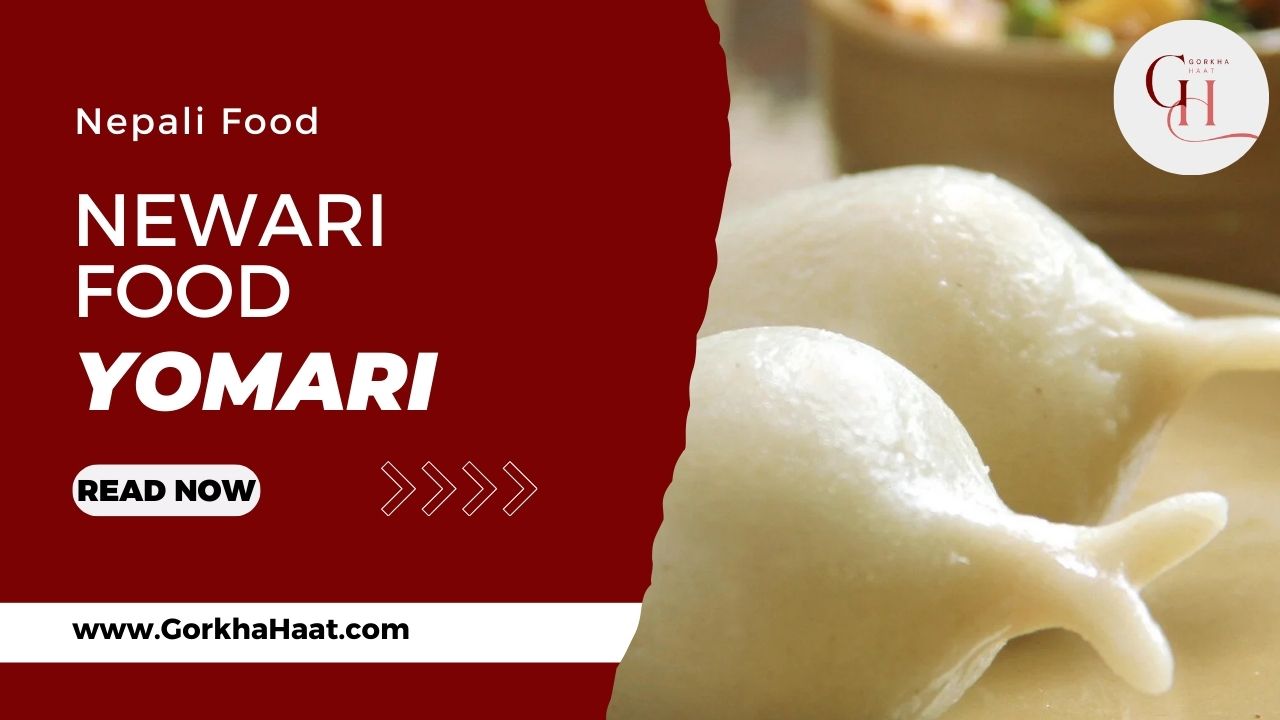
Newari Food Yomari Punhi 2025 Darjeeling: Authentic Newa Sweet Dumpling Recipe & Festival | Gorkha Haat
Yomari is a traditional Newa steamed dumpling filled with chaku, sesame, or khuwa. Celebrated especially during Yomari Punhi, it symbolizes prosperity, good harvest, and cultural heritage. Discover its history, preparation, variations, and cultural significance.

Nwaran – Naming Ceremony in Darjeeling and Nepal: Rituals, Astrology & Cultural Significance
Nwaran, the traditional naming ceremony in Nepal, is a sacred ritual where newborns receive their name based on astrological calculations and blessings from gods and family. It marks purification, protection, and the child’s formal introduction into culture and community.
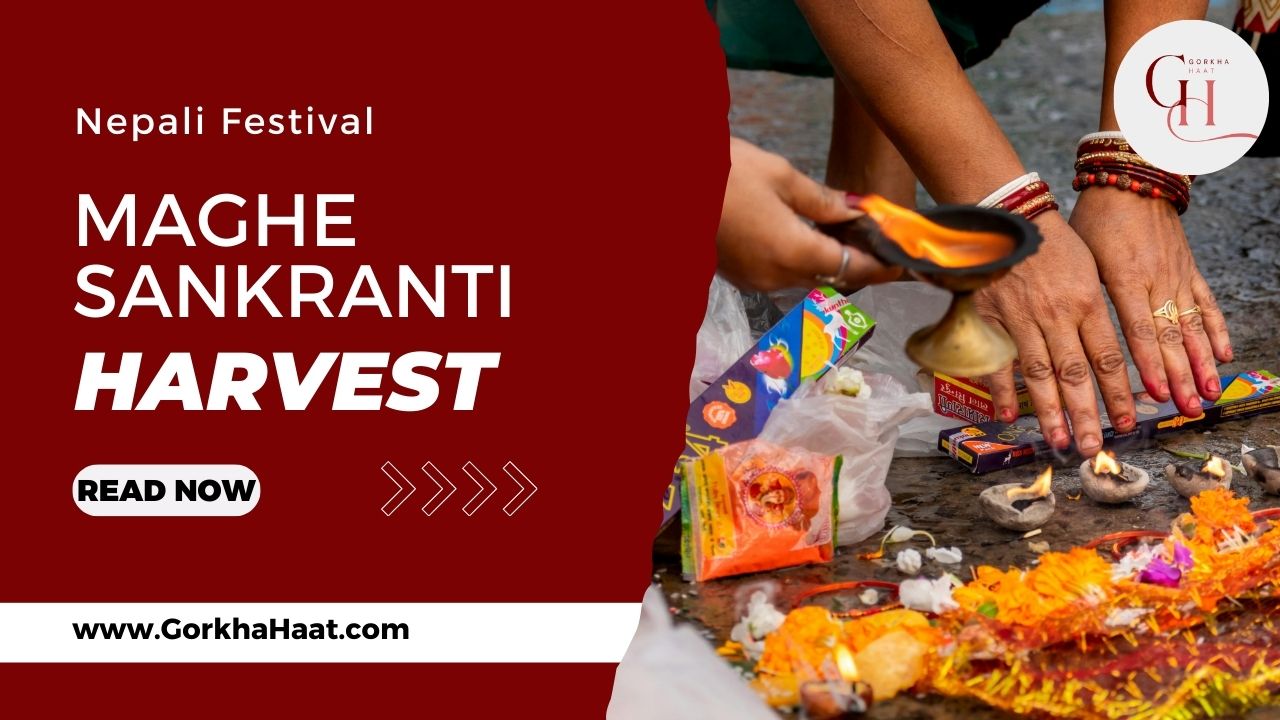
Maghe Sankranti in Darjeeling: Rituals, Foods, Significance & Nepali Traditions | Gorkha Haat
Maghe Sankranti is a major Nepali festival celebrating the Sun God, harvest, and community togetherness. Learn about its rituals, traditional foods, and cultural significance in Gorkha and across Nepal.
Comments
User Name
This is an example comment. Users can leave feedback here.