Bel Bibaha (Ihi) in Nepal and Darjeeling Queen of Hills: Meaning, Rituals, Significance & Newar Cultural Tradition
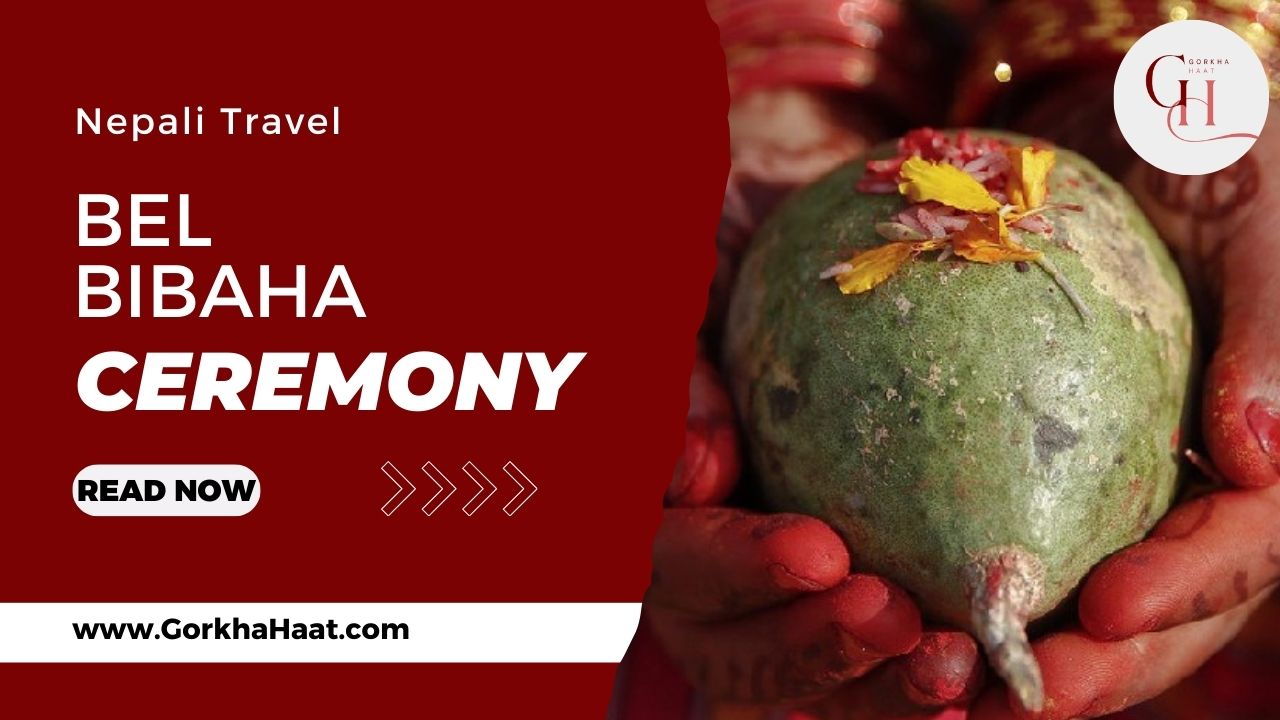
Bel Bibaha (Ihi): The Divine Marriage of Newar Girls – Traditions in Kathmandu Valley and Darjeeling’s Newar Community
Namaste and Swasthya! From the charming lanes of Darjeeling where our Newar families have preserved the taste of Kathmandu in every bite of chhoila and every note of gunla bajan, this is your Gorkha Haat writer bringing you the mesmerising world of Bel Bibaha – the sacred “marriage to the immortal Bel fruit”.
Known as Ihi in Nepal Bhasa, this unique pre-puberty ceremony remains one of the most beautiful expressions of Newar culture. While the grandest Ihi ceremonies still light up the courtyards of Kathmandu, Bhaktapur, and Patan, the same divine wedding is celebrated with equal devotion by our smaller but fiercely proud Newar settlements in Darjeeling, Kurseong, Kalimpong, and even Siliguri. Let’s explore this centuries-old ritual, its profound meaning, and the heart-warming differences that have blossomed when the Bel fruit travelled across the hills with our ancestors.
What Exactly is Bel Bibaha or Ihi?
Bel Bibaha (बेल बिहा) or Ihi (ईही) is the first of two symbolic marriages that every Newar girl undergoes before her actual wedding. In this sacred ceremony, the young girl – usually aged 5 to 9 – is married to a Bel fruit (wood apple), which represents Sri Vishnu or, in Vajrayana Buddhist interpretation, the eternal Adi-Buddha.
Because the Bel fruit is imperishable and its “husband” is the immortal Lord Vishnu himself, a Newar woman who has completed Ihi is never considered a widow in her lifetime, even if her human husband passes away. This extraordinary tradition grants lifelong spiritual dignity and social protection – a powerful statement of women’s sacred status in Newar society that remains unmatched in most other cultures.
Why the Bel Fruit? The Deep Symbolism
The humble-looking Bel carries profound meaning:
Its hard shell never truly “dies” – symbolising immortality
It is one of the purest offerings to Lord Vishnu
Its tri-leaves represent the three gunas and the three worlds
In Vajrayana Buddhism (followed by many Newars), it symbolises the indestructible vajra nature of enlightenment
By marrying the divine, the girl becomes a living embodiment of Lakshmi – forever auspicious.
Age and Auspicious Timing
In the Kathmandu Valley, Ihi is ideally performed:
Between 5–9 years for Shresthas and Maharjans
Between 7–11 years for Tuladhars, Udas, and Vajracharya/Bare families
Always before the first signs of puberty
Mass Ihi ceremonies involving dozens or even hundreds of girls are organised every few years by guthis on dates decided decades in advance.
In Darjeeling’s Newar community, where families are smaller and scattered, the practice is more intimate:
Usually 7–11 years old
Individual or small-group ceremonies (3–12 girls) are common
Dates are chosen yearly by local guthis like Darjeeling Newar Samaj or Kurseong Shri Vishnu Mandir
Our hill timing often coincides with school winter vacations, making it easier for relatives from Gangtok, Kalimpong, and Siliguri to attend.
Preparations: A Festival of Joy
Days before Ihi, the girl’s home becomes a hive of excitement:
Shopping for haku patasi (black sari with red border) or luminous red bridal dress
Crafting intricate mekhala (ceremonial belt) of gold and coral
Decorating dozens of Bel fruits with sindoor, flowers, and golden cloth
Preparing the mandap with banana stalks, mango leaves, and shimmering lotas
In Kathmandu, entire neighbourhoods come alive with gunla music and preparations. In Darjeeling, you’ll hear the same melodies echoing from Lebong or Rock Villa, but with the misty backdrop of Kanchenjunga and the scent of momo steam mixing with incense.
The Sacred Rituals – Step by Step
1. Nhayakan (Purification)
The girl takes a ritual bath with nine types of holy water, then wears new clothes.
2. Dressing the Little Bride
She is transformed into a living goddess – heavy gold jewellery, lunar forehead ornament (lohoswun), and the striking black-and-red haku patasi. In Darjeeling, many girls now wear bright red lehenga-style outfits for comfort while keeping the traditional mekhala.
3. Worship of Ganesh and Setting the Mandap
No Newar ritual begins without Ganesh puja. Twelve Bel fruits (sometimes 108 in grand ceremonies) are placed on brass plates as the eternal grooms.
4. Kanyadaan to the Divine
The father symbolically “gives away” his daughter to the Bel fruit – the most emotional moment for many parents.
5. Swayambar and Garland Exchange
The girl offers garlands to the Bel fruits while the priest chants sacred Newari hymns. In Kathmandu, this is accompanied by the dhimay and bhushya orchestra; in Darjeeling, the same instruments are played by our local gunla bajan groups.
6. Sindoor and Eternal Union
A senior woman applies sindoor to the Bel fruit and then to the girl’s forehead – sealing the divine marriage.
7. Tika and Blessings
Every elder applies luminous tika made of rice, yoghurt, and red powder, showering gifts of jewellery and cash.
8. The Grand Newari Feast
The celebration peaks with an unforgettable spread:
Samay baji (the sacred platter of beaten rice, roasted meat, lentils, and ginger)
Chatamari (Newar pizza)
Bara (lentil pancakes)
Chhoila, spicy grilled meat
Yomari and lakhamari sweets
In Darjeeling, you’ll also spot pork dishes and local hill vegetables that rarely appear in Kathmandu feasts.
The Second Marriage: Barha Tayegu or Gufa
Newar girls undergo a second symbolic marriage called Barha Tayegu (sometimes called “Bael Bibaha” or “Surya Bibaha”) at age 11–13, where they are kept in ritual seclusion and symbolically married to the Sun. Together, Ihi and Barha Tayegu create an unbreakable shield of auspiciousness.
Key Differences: Kathmandu Valley vs Darjeeling Newar Practice
Aspect | Kathmandu Valley (Nepal) | Darjeeling & Hills Newar Community |
|---|---|---|
Scale | Mass ceremonies (50–500 girls) | Small groups (3–20 girls) |
Age | Strictly 5–11 years | 7–13 years, more flexible |
Dress | Traditional haku patasi dominant | Red bridal lehenga increasingly common |
Music | Full dhimay & bhushya orchestra | Smaller gunla bajan groups |
Venue | Ancient courtyards, guthi buildings | Community halls, temples, homes |
Food | Strict Newari vegetarian items | Includes pork and hill variations |
Frequency | Once every 5–12 years (mass) | Annual small ceremonies |
Photography | Still modest in orthodox families | Full professional coverage |
Modern Adaptations in the Hills
Darjeeling’s Newar community has beautifully balanced tradition with mountain reality:
Live streaming on Facebook for relatives in the USA, UK, and Australia
Eco-friendly Bel fruits sourced from local gardens
Combined Ihi for girls from mixed Newar-Rai or Newar-Gurung families
Destination Ihi at scenic resorts in Takdah or Latpanchar
Shorter 3–4 hour ceremonies instead of full-day events
Yet every girl still leaves with sindoor on her forehead and the eternal protection of Lord Vishnu in her heart.
Why Bel Bibaha Still Matters
In an age when many ancient rituals fade, Ihi stands tall because it does something rare – it empowers women before they even understand the word. A Newar girl who has completed Bel Bibaha walks with the quiet confidence that she is already married to the Divine. No human loss can ever make her a widow in the eyes of tradition.
From the golden courtyards of Bhaktapur to the misty hills of Darjeeling, the Bel fruit continues to whisper the same eternal vow: “You are never alone. You are forever protected.”
Share your Ihi memories below – when did you or your daughter become Vishnu’s bride?
Gorkha Haat Team
We share stories of authentic Nepali heritage, food, culture, and local markets.
Related Posts
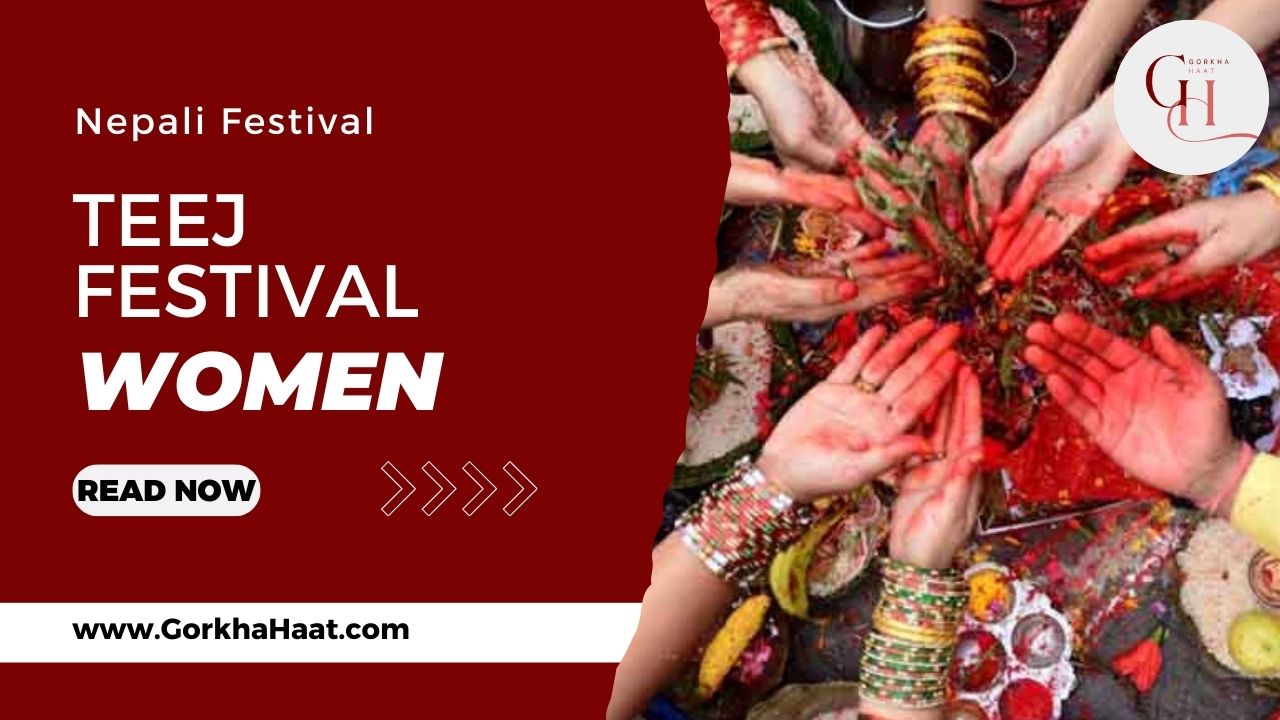
Teej Festival in Darjeeling 2025: Hartalika Teej Rituals, Songs & Celebrations | Gorkha Haat
Experience the vibrant women’s festival of Teej in Darjeeling—red saris, fasting, traditional dances, and delicious hill foods. Discover rituals, cultural significance, and the best places to celebrate Hartalika Teej with Gorkha Haat.
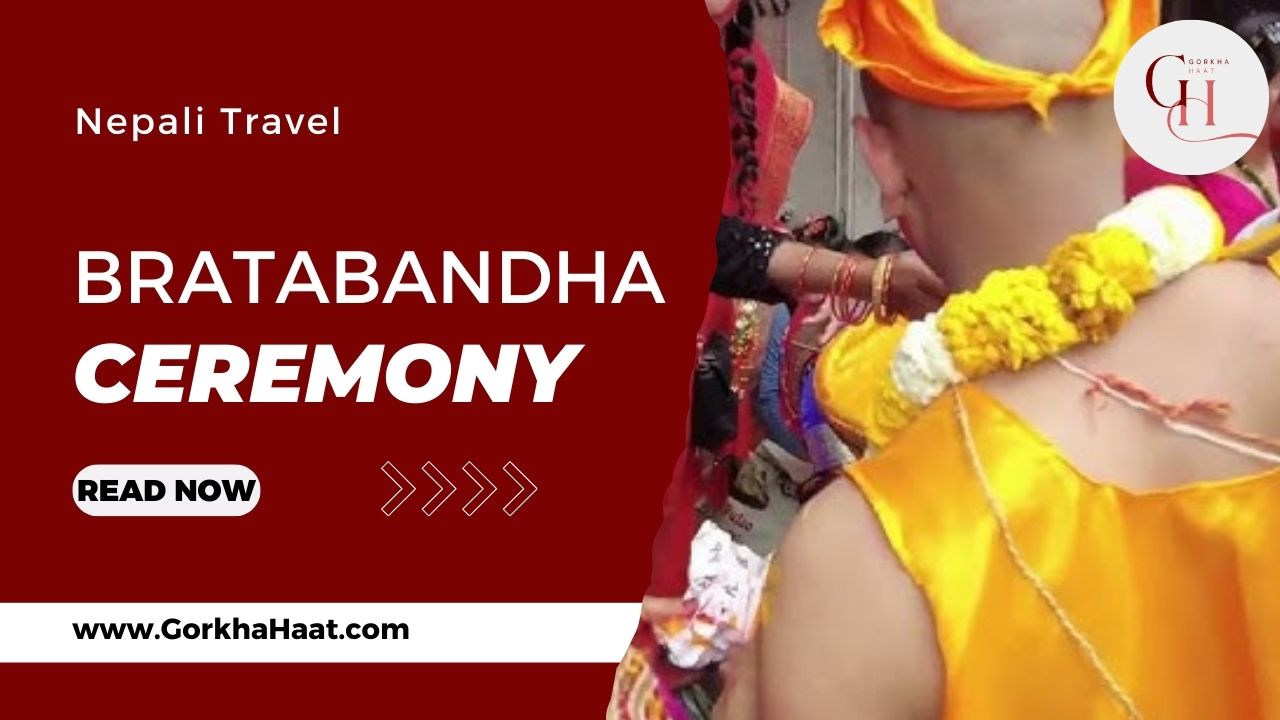
Bratabandha Ceremony in Nepal & Darjeeling: Meaning, Rituals, Traditions & Cultural Significance
Explore Bratabandha (Upanayana) – sacred thread ceremony rituals, Gayatri Mantra, Janeu significance & differences between Nepal and Darjeeling Gorkha traditions.
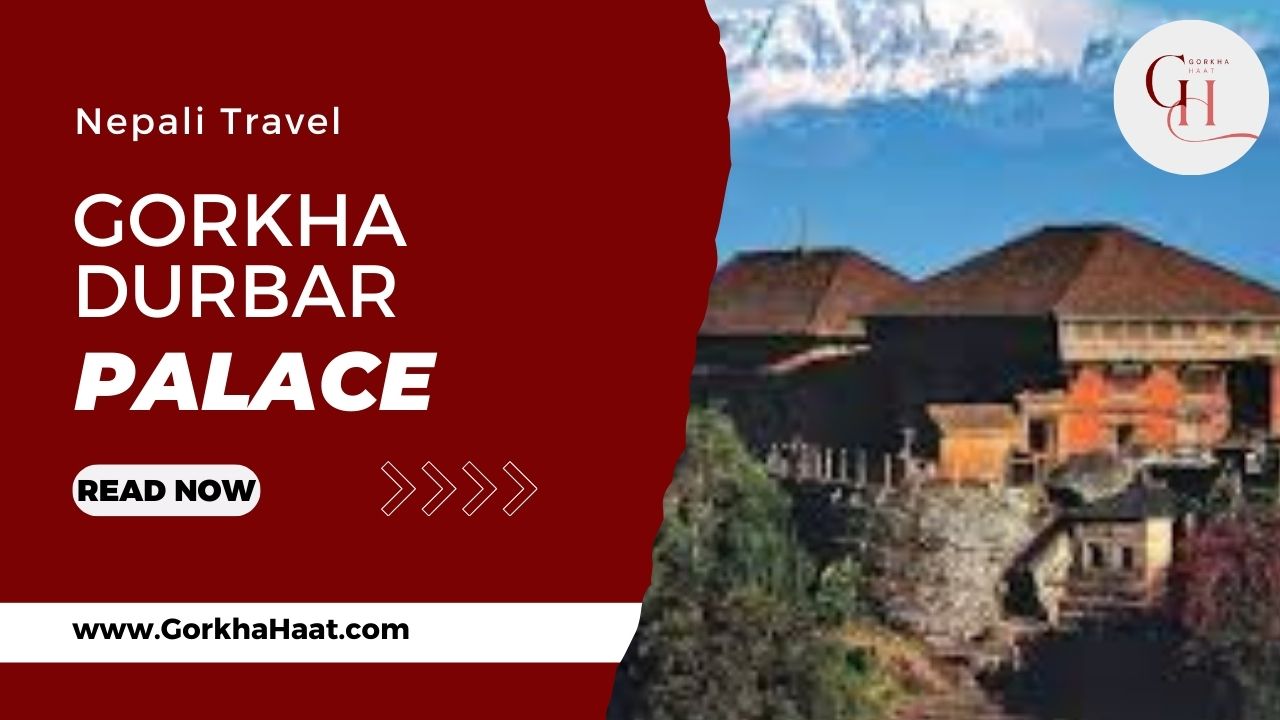
Gorkha Durbar: History, Architecture & Heritage Significance of Nepal’s Iconic Hilltop Palace
Gorkha Durbar is a historic hilltop palace known as the birthplace of Nepal’s unification. Blending Newa craftsmanship, temples, and panoramic Himalayan views, it remains one of Nepal’s most culturally significant heritage sites.
Comments
User Name
This is an example comment. Users can leave feedback here.