Newari Food Yomari Punhi 2025 Darjeeling: Authentic Newa Sweet Dumpling Recipe & Festival | Gorkha Haat
Yomari: Darjeeling’s Beloved Newa Sweet Dumpling of Winter, Prosperity & Heritage
As the full moon of Thinlaga (November–December) rises over the misty Darjeeling hills, something magical happens in the Newa households of Kalimpong, Kurseong, and the bustling Newa bastis around Gorkha Haat: the air fills with the sweet aroma of steaming rice-flour dumplings.
That is Yomari being born.
For the Newa (Newar) community of Darjeeling—descendants of traders and craftsmen who migrated from Kathmandu Valley centuries ago—Yomari is not just a winter delicacy. It is a sacred offering, a symbol of abundance, a children’s treasure, and one of the strongest threads connecting them to their ancient roots in Nepal.
At Gorkha Haat, every Yomari Punhi, our stalls overflow with hundreds of freshly steamed Yomari in perfect fish-tail shapes, glistening with ghee and filled with molten chaku that warms both body and soul.
What Exactly Is Yomari?
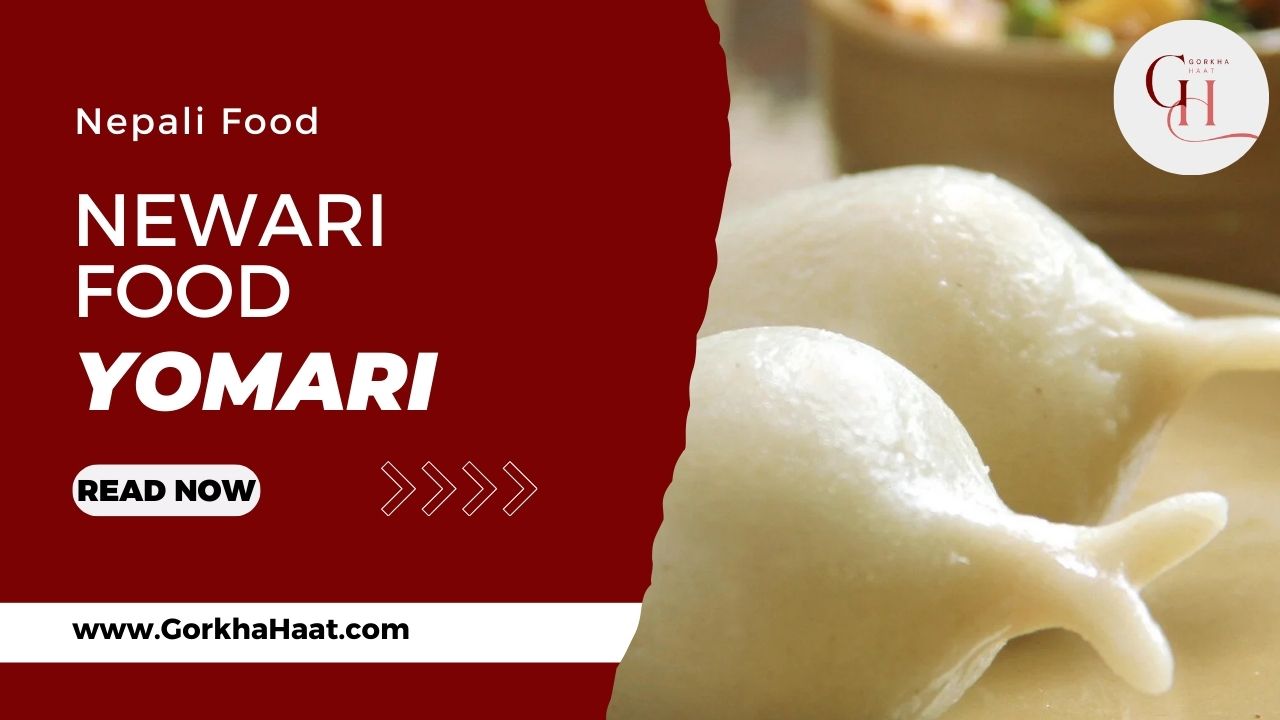
Yomari (योमरी) is a steamed rice-flour dumpling with a soft, slightly chewy outer shell and a molten, sweet filling. Its iconic shape is long and elegant—wide at the base, tapering into a delicate pointed tail—resembling a fish or the sacred yoni symbol of creation and prosperity.
In Nepal Bhasa (Newa language):
“Yo” = pleasing / beloved
“Mari” = bread / delicacy → Yomari = “the beloved bread”
Classic fillings:
Chaku (dark, fudgy molasses candy made from reduced sugarcane juice or jaggery)
Sesame-seed + chaku mix
Khuwa (thickened milk solids)
Grated coconut + jaggery
Til (black sesame) laddoo filling
Historical Roots and the Legend
The origin story of Yomari is over 800 years old. According to Newa folklore, in the ancient town of Panauti, a kind couple named Suchandra and Krita made the first Yomari by stuffing newly harvested rice-flour dough with sweet chaku. They offered it to passers-by, who were so delighted that the news reached the king. The king declared it a divine food, and the tradition of Yomari Punhi was born.
When Newa traders and families migrated to Darjeeling and Kalimpong in the 18th–19th centuries (many settling in areas now called “Newar Gaon” near Gorkha Haat and Lower Toong Soom), they carried this sacred recipe with them. Today, Darjeeling’s Newa community is one of the largest outside Kathmandu Valley, and Yomari remains their proudest winter tradition.
Yomari Punhi: Darjeeling’s Full-Moon Festival of Abundance
Every year on the full moon of Thinlaga (usually December), Darjeeling’s Newa families celebrate Yomari Punhi with the same fervor as in Bhaktapur or Patan.
Key rituals:
Early morning puja to Annapurna (goddess of grains) and Kubera (god of wealth)
Making hundreds of Yomari as offerings
Children dressed in traditional Newa attire going door-to-door singing “Yomari Punhi ko lahana…” and collecting Yomari (a joyful tradition similar to Christmas caroling)
Lighting butter lamps and placing four large Yomari at the four corners of the house for protection and prosperity
At Gorkha Haat and Kalimpong Haat, huge Yomari melas spring up—stalls compete to make the longest, most perfectly shaped Yomari, some reaching 2–3 feet!
Authentic Darjeeling Newa-Style Yomari Recipe (Makes 15–18 medium pieces)
Ingredients
For the dough
2 cups fine rice flour (preferably new-harvest, fragrant Nepali rice)
1¼–1½ cups warm water
Pinch of salt
Classic Chaku Filling
300 g good-quality chaku (available at Gorkha Haat Newa shops)
½ cup roasted black sesame seeds (til), coarsely ground
2 tbsp ghee
½ tsp cardamom powder
¼ cup grated fresh coconut (optional)
Method
Prepare the Filling Break chaku into pieces, melt gently with ghee. Mix in ground sesame, coconut, and cardamom. Let it cool until firm enough to shape into small oblong balls.
Make the Dough Place rice flour in a wide bowl. Gradually add warm water while kneading until you get a soft, non-sticky, play-dough-like consistency. Cover with damp cloth.
Shape the Yomari
Take a golf-ball-sized piece of dough.
Make a hollow cone by rotating and pressing with thumbs (watch Newa grandmothers at Gorkha Haat—they do it in seconds!).
Place a ball of filling inside.
Gently pinch and pull the top into a long, elegant tail while sealing perfectly.
Steam Line a steamer with banana leaf or cloth. Steam for 12–15 minutes until the outer layer turns glossy and slightly translucent.
Serve Drizzle warm ghee on top and serve immediately while the filling is molten.
Pro Tips from Gorkha Haat Newa Aunties
Never use cold water for dough—warm water gives the perfect elasticity.
If chaku is unavailable, reduce jaggery + ghee + sesame on low flame for 30–40 minutes.
Practice shaping on the first few; even imperfect ones taste divine!
Store cooked Yomari in a hot case—re-steam for 3–4 minutes before eating.
Variations Loved in Darjeeling & Kalimpong
Classic Chaku-Sesame Yomari
Pure Khuwa Yomari (luxurious and milky)
Coconut-Jaggery Yomari (popular with kids)
Chocolate Yomari (modern favorite among youth)
Mini Yomari (bite-sized for festivals)
Savory Meat Yomari (rare, but some families make it)
Health Benefits: More Than Just Sweet
Rice flour → gluten-free
Chaku & jaggery → rich in iron and natural sugars for instant warmth
Sesame → calcium, healthy fats, antioxidants
Steamed → zero oil, easy to digest
Perfect winter food for high-altitude cold
Where to Taste the Best Yomari in Darjeeling
Gorkha Haat Newa stalls during Yomari Punhi (December full moon)
Kalimpong Haat & 10th Mile Newa shops
Homestays in Toong Soom, Pedong, and Algarah
Newa restaurants like “Newa Lahana” in Kalimpong
Conclusion
Yomari is the taste of winter moons, of children’s laughter, of grandmothers’ expert fingers shaping prosperity one dumpling at a time.
When you stand at Gorkha Haat under strings of fairy lights, holding a steaming fish-shaped Yomari while the cold December air turns your breath to mist, you are not just eating a sweet—you are tasting 800 years of living Newa culture that traveled from Panauti to the Darjeeling hills and still thrives today.
This Yomari Punhi, come home to Gorkha Haat.
Let the warmth of chaku melt in your mouth and the blessings of Annapurna fill your year with abundance.
Gorkha Haat Team
We share stories of authentic Nepali heritage, food, culture, and local markets.
Related Posts

Swayambhu (Swayambhunath) Stupa: History, Legends, Architecture & Spiritual Guide
Swayambhu (Swayambhunath) Stupa is one of Nepal’s oldest and most sacred Buddhist monuments. Known for its serene hilltop setting, iconic Buddha eyes, and rich spiritual history, it remains a powerful symbol of enlightenment, peace, and cultural harmony in the Kathmandu Valley.

Teej Festival in Darjeeling 2025: Hartalika Teej Rituals, Songs & Celebrations | Gorkha Haat
Experience the vibrant women’s festival of Teej in Darjeeling—red saris, fasting, traditional dances, and delicious hill foods. Discover rituals, cultural significance, and the best places to celebrate Hartalika Teej with Gorkha Haat.
Sel Roti Recipe: Authentic Darjeeling-Style Nepali Rice Doughnut for Dashain & Teej | Gorkha Haat
Sel Roti is a traditional Nepali rice doughnut enjoyed during festivals like Dashain, Tihar, and Maghe Sankranti. Learn about its origins, preparation, cultural significance, and modern variations.
Comments
User Name
This is an example comment. Users can leave feedback here.