Patan Durbar Square: History, Architecture & Cultural Significance of Nepal’s Royal Heritage Site
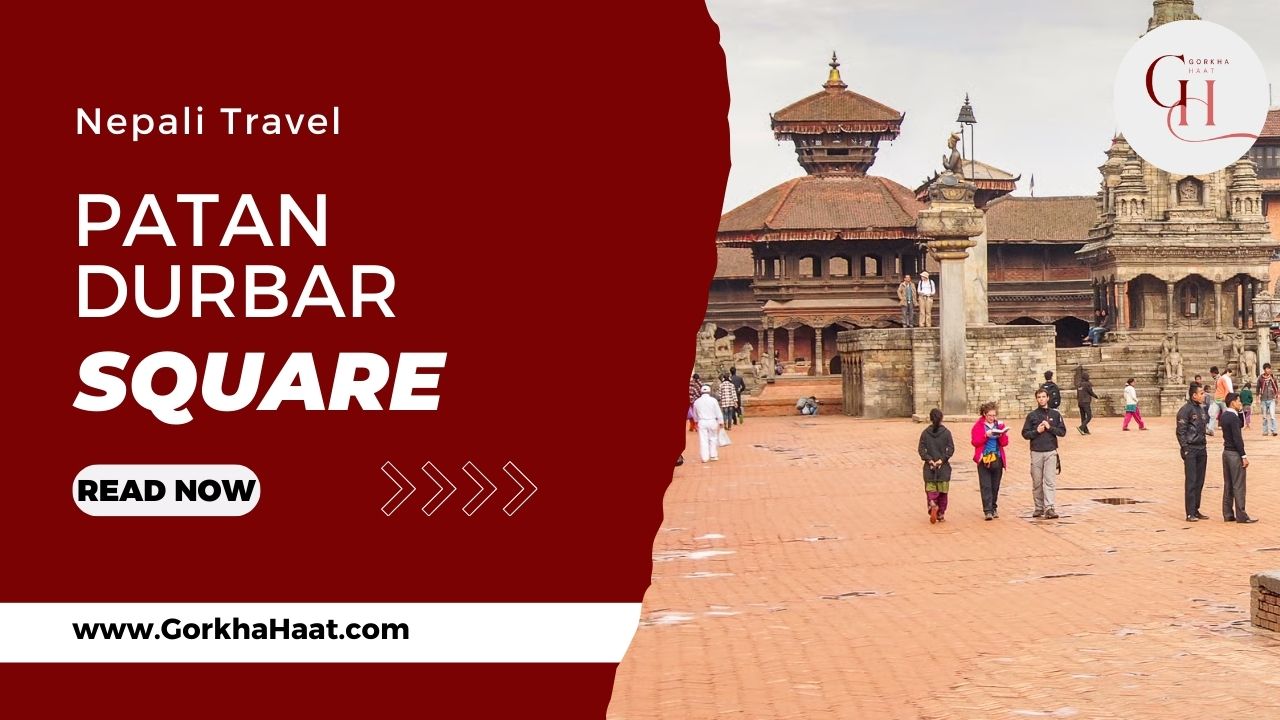
Patan Durbar Square: A Living Museum of Newa Art, Culture & Royal Heritage
Patan Durbar Square, located in the heart of Lalitpur, is one of Nepal’s most breathtaking heritage sites—celebrated for its exquisite Newa architecture, intricately carved temples, royal courtyards, and vibrant cultural life. Known locally as “Mangal Bazaar”, the square was once the royal palace complex of the Malla Kings who ruled Patan for centuries. Today, it stands as a UNESCO World Heritage Site, drawing visitors from around the world who marvel at its artistry and historic depth.
Considered one of the finest examples of Newa craftsmanship, Patan Durbar Square is more than a historical monument—it is a living cultural hub where heritage, faith, and daily life blend seamlessly. Whether you are a traveler, history lover, or someone eager to explore Nepal’s artistic traditions, Patan Durbar Square offers a journey through time.
Historical Background of Patan Durbar Square
Patan, or Lalitpur, is one of the oldest inhabited cities in Nepal. Its history stretches back over 2,000 years, with legends tracing its origins to the Kirat period. The city flourished during the Licchavi era (3rd–9th century) and reached its artistic peak under the Malla dynasty (14th–18th century).
Patan Durbar Square served as:
The royal palace of Malla kings
A political and administrative center
A cultural and artistic hub
A sacred complex filled with temples, shrines, and idols
King Siddhi Narsingh Malla, King Yog Narendra Malla, and later rulers contributed significantly to its architectural beauty.
Architectural Beauty: A Masterpiece of Newa Art
Patan Durbar Square is widely regarded as the finest exhibition of traditional Newa architecture in Nepal. The square is filled with red-brick structures, pagoda temples, stone monuments, metal sculptures, and intricately carved wooden windows.
Key architectural highlights include:
1. The Royal Palace (Patan Museum Complex)
The main palace contains three historic courtyards:
Mul Chowk
Sundari Chowk
Keshav Narayan Chowk
These courtyards showcase fine metalwork, stone carvings, and traditional wooden doors and toranas.
2. Krishna Mandir
One of the most iconic temples, built in the Shikhara style by King Siddhi Narsingh Malla.
Carved stone columns depict scenes from the Mahabharata and Ramayana.
3. Bhimsen Temple
Dedicated to Bhimsen, the god of commerce—reflecting the prosperous merchant community in Patan.
4. Vishwanath Temple
A Shiva temple decorated with erotic carvings—similar to other temples in Kathmandu Valley.
5. Taleju Bhawani Temple
A sacred temple built for the royal family’s protective goddess.
Each temple and courtyard reflects a unique blend of spirituality and artistic mastery, showcasing the remarkable creativity of Newa artisans.
Patan Museum: A Cultural Treasure House
Housed inside the palace complex, Patan Museum is one of Nepal’s most acclaimed museums. It features:
Bronze statues
Wooden carvings
Preserved royal artifacts
Manuscripts
Metal sculptures
Traditional tools used for arts and crafts
The museum provides deep insight into Nepal’s Hindu-Buddhist iconography and the evolution of Newa craftsmanship.
Religious & Spiritual Significance
Patan Durbar Square is not just a historic location—it is a sacred space where Hindu and Buddhist traditions coexist harmoniously.
Hindu Influence
Temples dedicated to Shiva, Krishna, Bhimsen, Vishwanath, and Taleju showcase the devotion of Malla kings to Hindu gods.
Buddhist Heritage
Patan is considered one of the oldest Buddhist cities in the world.
Nearby Kumbeshwar Temple, Hiranya Varna Mahavihar (Golden Temple), and Maha Bouddha Temple demonstrate the city’s strong Buddhist roots.
Daily rituals, festivals, traditional pujas, and cultural activities make the square come alive with spiritual energy.
Festivals Celebrated at Patan Durbar Square
Throughout the year, the square becomes the heart of major festivals such as:
Krishna Janmashtami
Rato Machhindranath Jatra
Buddha Jayanti
Indra Jatra (local celebrations)
Mha Puja (Newa New Year)
The blending of rituals and celebrations adds vibrancy and authenticity to the square.
Patan Durbar Square After the 2015 Earthquake
The 2015 earthquake caused significant damage to several temples and monuments.
However, extensive restoration projects supported by UNESCO, government bodies, and international organizations have rebuilt the square with remarkable precision.
Restoration efforts followed traditional craftsmanship techniques, ensuring historical authenticity.
Tourism & Cultural Life Today
Today, Patan Durbar Square remains one of the most visited heritage sites in Nepal. Visitors enjoy:
Photography
Architecture tours
Museum exhibits
Cafes with rooftop views
Artisan workshops
Craft markets
The nearby alleys host traditional metalworkers, woodcarvers, and artists who continue the legacy of Newa craftsmanship.
Conclusion
Patan Durbar Square is a timeless masterpiece—an embodiment of Nepal’s artistic, cultural, and spiritual brilliance. Its blend of royal architecture, sacred temples, and living traditions make it one of the most meaningful heritage destinations in the country. A walk through Patan Durbar Square is truly a journey through centuries of creativity, devotion, and history.
Gorkha Haat Team
We share stories of authentic Nepali heritage, food, culture, and local markets.
Related Posts
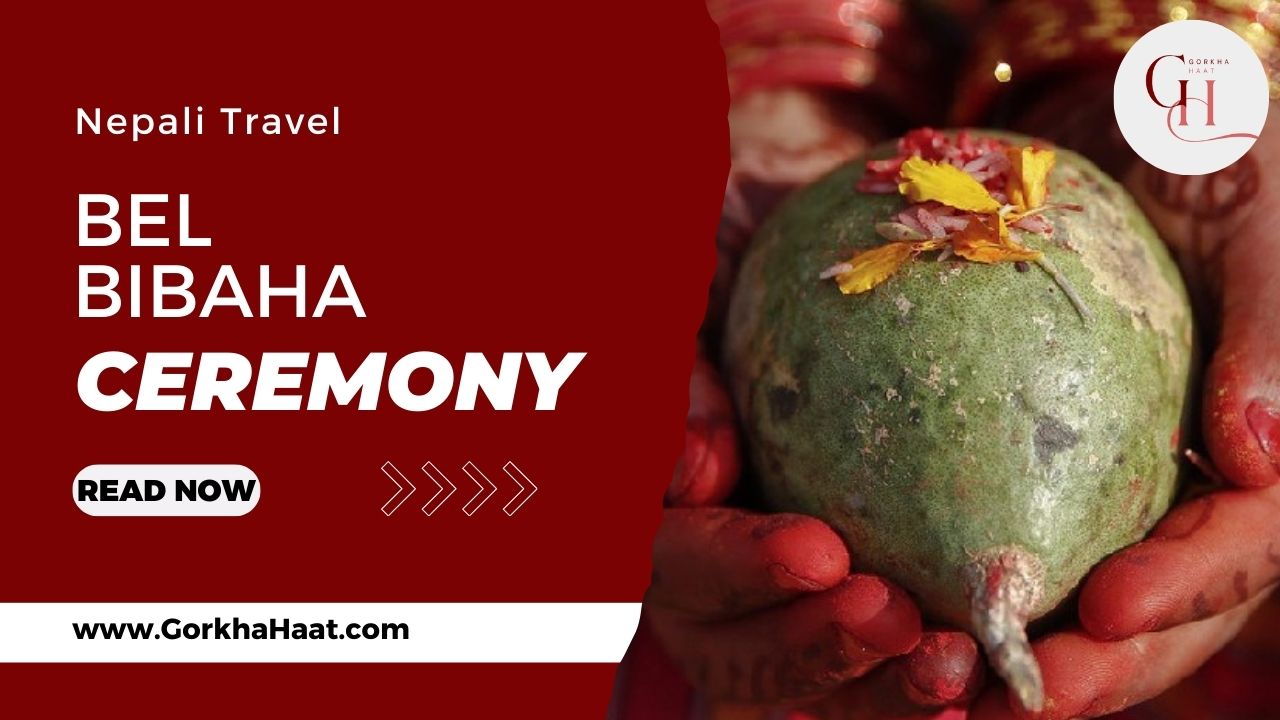
Bel Bibaha (Ihi) in Nepal and Darjeeling Queen of Hills: Meaning, Rituals, Significance & Newar Cultural Tradition
Discover Bel Bibaha – Newar girls’ divine marriage to Bel fruit (Lord Vishnu). Full rituals, meaning, and differences between Kathmandu Valley and Darjeeling traditions.
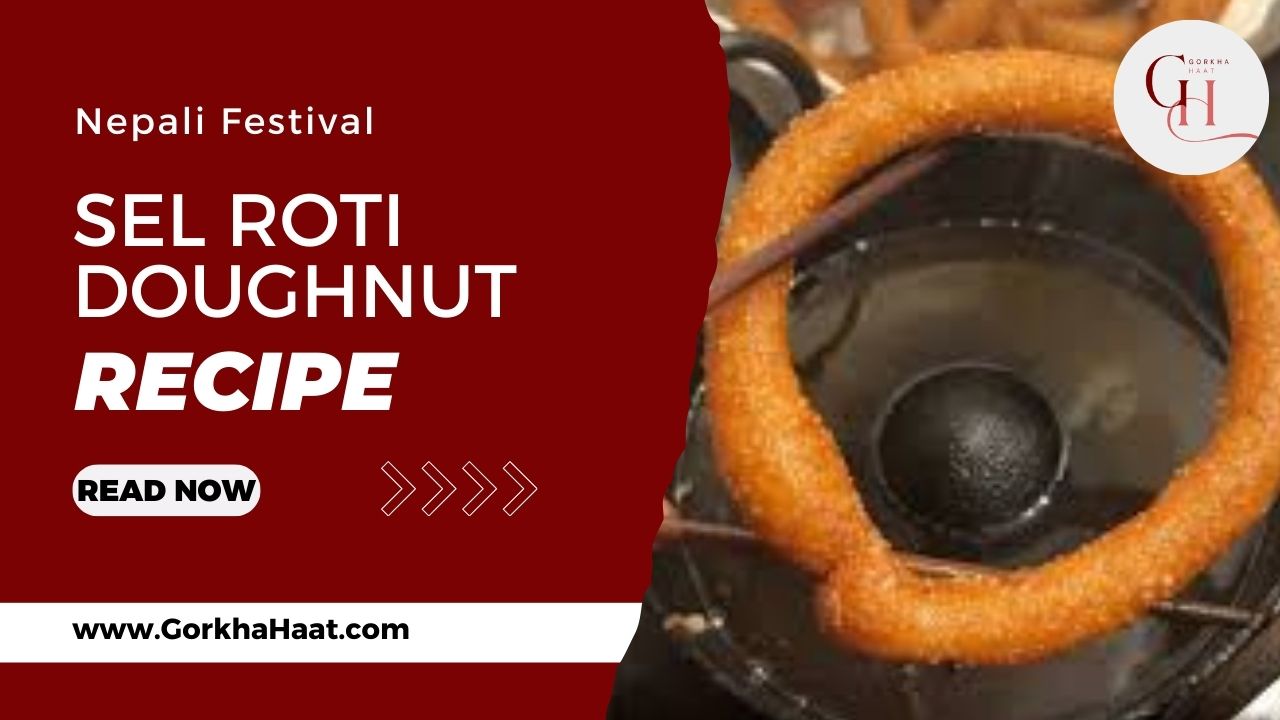
Sel Roti Recipe: Authentic Darjeeling-Style Nepali Rice Doughnut for Dashain & Teej | Gorkha Haat
Sel Roti is a traditional Nepali rice doughnut enjoyed during festivals like Dashain, Tihar, and Maghe Sankranti. Learn about its origins, preparation, cultural significance, and modern variations.
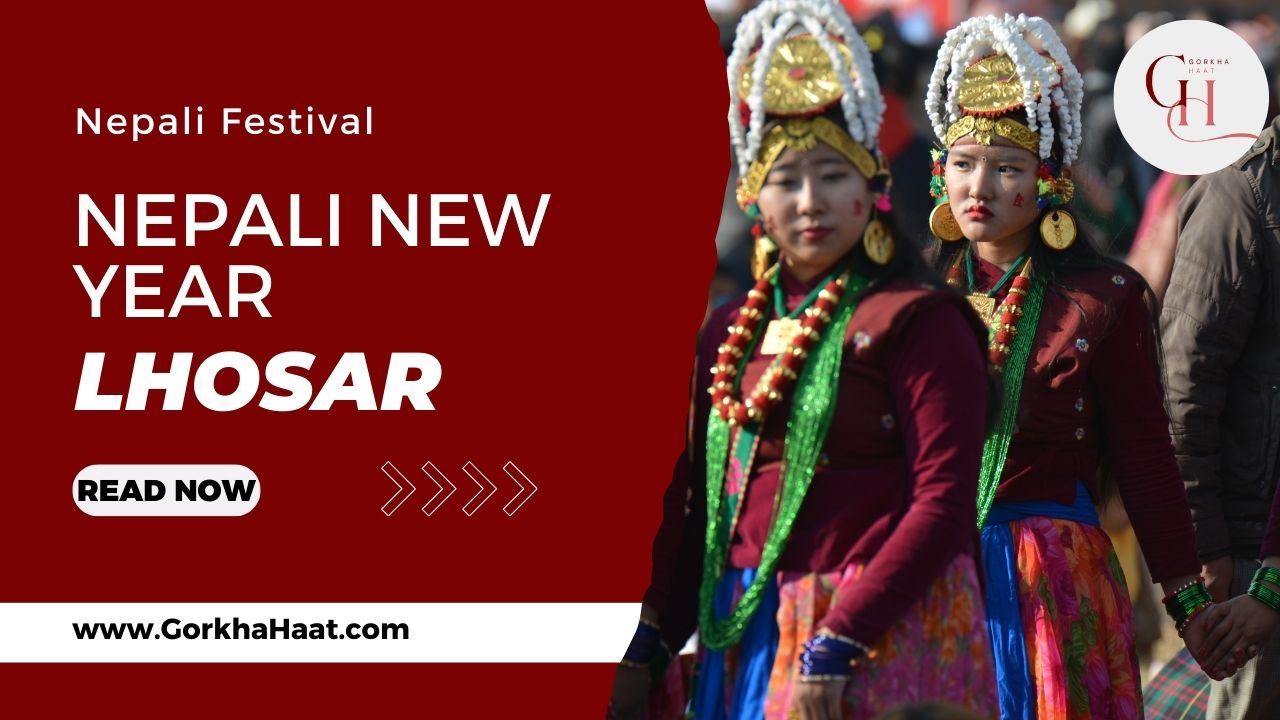
Lhosar 2026 Darjeeling: Tamang, Gurung & Sherpa New Year Celebrations | Gorkha Haat
Lhosar, the Nepali New Year, is celebrated with rituals, prayers, traditional foods, and cultural performances. Discover the significance, customs, and celebrations of Lhosar across Nepalese communities.
Comments
User Name
This is an example comment. Users can leave feedback here.