Bratabandha Ceremony in Nepal & Darjeeling: Meaning, Rituals, Traditions & Cultural Significance
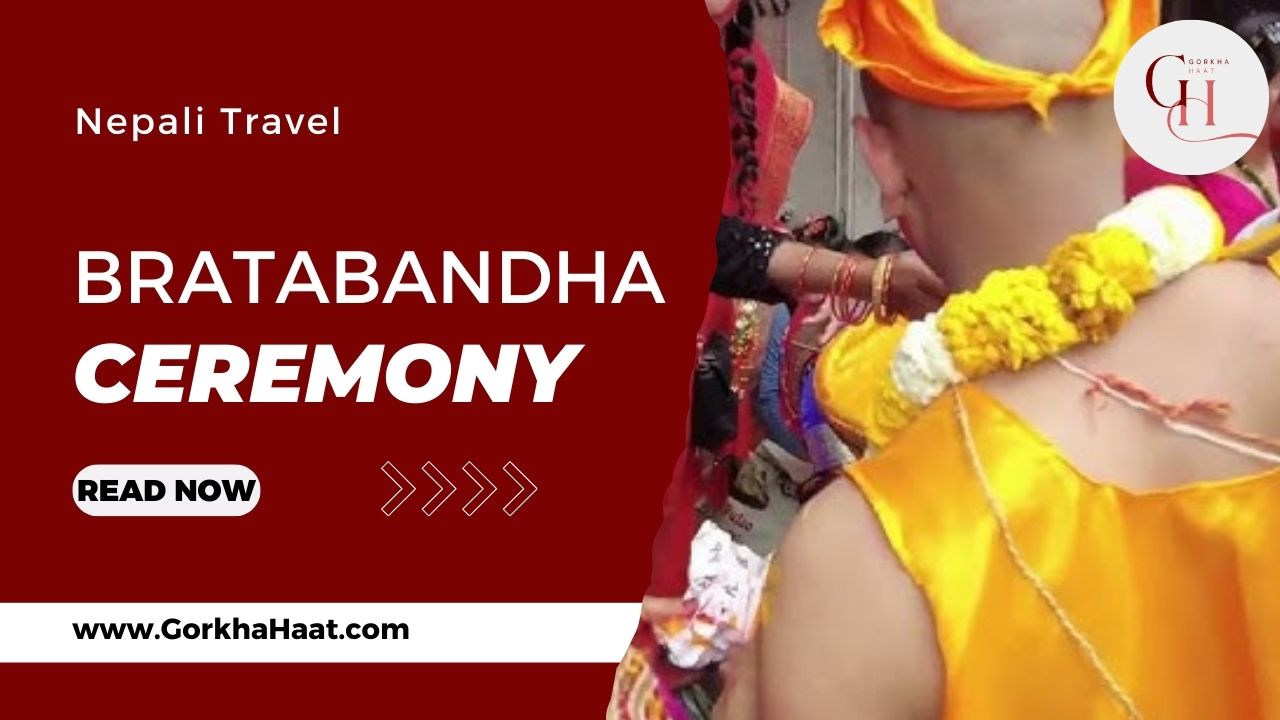
Bratabandha: The Sacred Upanayana Ceremony – Traditions in Nepal and Darjeeling’s Gorkha Community
Namaste from the heart of Darjeeling! This is your Gorkha Haat writer, sitting amidst the cool breeze of Chowrasta, bringing you another piece of our living heritage. Today, we explore Bratabandha – the sacred thread ceremony that transforms a young boy into a “dwija” (twice-born) and opens the door to spiritual learning. Known across the Hindu world as Upanayana, in our Nepali-speaking hills it is lovingly called Bratabandha or Bartaman.
While the ritual remains deeply rooted in the same Vedic soil in both Nepal and Darjeeling, the way it breathes in the misty tea gardens of our region carries its own fragrance – a beautiful blend of Nepali orthodoxy and Gorkha pragmatism. Let’s walk through its history, rituals, astrological importance, and how this ancient rite of passage continues to thrive differently on either side of the Mechi River.
What is Bratabandha? The Essence of “Binding the Vow”
The word Bratabandha beautifully combines “brata” (vow or resolve) and “bandha” (to bind). In one transformative day, a boy takes sacred vows of purity, learning, and responsibility. He receives the Janeu (yagyopavit or sacred thread), learns the Gayatri Mantra, and symbolically steps from childhood into the world of dharma.
In ancient Vedic society, this ceremony marked the beginning of formal education under a guru. The boy would leave home for the gurukul, returning only after years of rigorous study. Though gurukuls have largely vanished, the spiritual fire of Bratabandha still burns bright – reminding every young Gorkha or Nepali boy that knowledge and character are his true ornaments.
Who Celebrates Bratabandha?
Traditionally, Bratabandha is performed for boys from the “twice-born” varnas:
Brahmin (Bahun)
Chhetri/Thakuri (Kshatriya)
Some Vaishya communities like Newar traders
In Nepal, caste lines still influence who performs it with full orthodoxy. In Darjeeling and the surrounding hills, however, the Indian Gorkha community has softened these boundaries. You’ll now see many Rai, Limbu, Gurung, and Magar families – originally outside the varna system – proudly organizing Bratabandha for their sons as a mark of Hindu cultural identity and upward social integration. This inclusive spirit is one of the most beautiful differences between Nepal’s practice and ours.
Ideal Age and Timing: Tradition Meets Modern Life
Vedic texts prescribe different ages:
Brahmin boys: 8 years from conception (roughly 7–8 years old)
Kshatriya boys: 11 years
Vaishya boys: 12 years
In Nepal, many families still aim for 7–13 years, with strong preference for odd-numbered ages (9, 11, 13) considered especially auspicious. Priests study the boy’s horoscope to avoid inauspicious planetary periods.
In Darjeeling, Sikkim, Kalimpong, and Kurseong, practicality often wins. With boarding schools and competitive exams, parents frequently delay until school vacations – Class 8 or 10 summer breaks are common. You’ll even find 18–22-year-old boys undergoing “late Bratabandha” before college or army recruitment. Our community views it less as a rigid deadline and more as a lifelong eligibility for higher spiritual life – a refreshing flexibility rarely seen in Nepal’s more orthodox circles.
Preparations: Days Filled with Sacred Anticipation
Preparations begin weeks in advance. The house is cleaned, walls freshly coated with cow-dung paste (in villages) or simple lime wash in town. Families shop for:
Pure cotton Janeu threads
Yellow dhoti and shawl
Bel fruit, dubo grass, kush grass
Brass kalash and lota
New clay stoves for homa
In Nepal, the boy often observes light fasting and learns basic mantras. In Darjeeling, you’ll notice local touches – rhododendron flowers for decoration, Darjeeling tea served to guests, and sometimes even a quick trip to the Mahakal Temple above Observatory Hill for blessings.
The Rituals Step by Step – Nepal vs Darjeeling Nuances
1. Head Shaving (Chudakarana or Mundan)
Both regions begin with shaving the boy’s head as a symbol of ego-shedding. In Nepal, this is done at home or riverbank with full Vedic chants. In Darjeeling, families often visit trusted barbers near Chowk Bazaar or motor-stand early morning – practical yet still sacred.
2. Holy Bath and Yellow Cloth
After shaving, the boy bathes with water mixed with herbs. He wears the traditional yellow or saffron cloth. Darjeeling boys often pair it with a Nepali topi and khada – giving that unmistakable Gorkha look in photographs.
3. The Sacred Thread (Janeu Dharana)
The emotional high point. The priest ties the Janeu while chanting:
“Yajnopavitam paramam pavitram, prajapater yat sahajam purastat…”
In Nepal, Brahmin boys receive a 6-strand thread, Chhetris 3-strand. In Darjeeling, most families standardize on 3-strand cotton threads – simpler and more affordable.
4. Gayatri Mantra Initiation
The guru (usually the family priest or maternal uncle) covers the boy’s head with cloth and whispers the Gayatri Mantra three times. This moment brings tears to many elders’ eyes. In Nepal, only “twice-born” ears may hear it at this stage. In Darjeeling’s inclusive ceremonies, even friends from other communities witness this openly.
5. Bhiksha – Seeking Symbolic Alms
The boy carries a small bowl and begs rice from his mother and aunts, saying “Bhavati bhiksham dehi” (Mother, give me alms). In Nepal, this is solemn. In Darjeeling, it’s filled with laughter – aunts slip ₹500 notes into the bowl, turning humility into celebration!
6. Homa and Guru Dakshina
Fire offerings are made with ghee, sesame, and barley. The boy offers symbolic dakshina to the priest. Darjeeling ceremonies are noticeably shorter – 2–3 hours versus Nepal’s full-day events.
7. Blessings and Feast
Elders apply tika with rice and red powder, gift money, clothes, and watches. The feast is where Darjeeling truly shines: alongside sel roti and goat curry, you’ll find pork curry, thukpa, and momos – reflecting our hill cuisine diversity that Nepal’s Terai or Kathmandu versions rarely include.
Cultural Significance: More Than Just Ritual
In Nepal, Bratabandha reinforces Brahmin-Chhetri identity and social hierarchy. In Darjeeling and the Dooars, it has become a powerful identity statement for the entire Gorkha community – a way to say, “We are proud Hindus carrying forward our Nepali heritage within India.” During the 1980s Gorkhaland movement and even today, mass Bratabandha ceremonies organized by community organizations strengthen solidarity.
Modern Adaptations – How the Hills Have Embraced Change
Combined ceremonies: 10–20 boys together in community halls (very common in Darjeeling, rare in Nepal)
Destination Bratabandha: Families book resorts in Mirik or Lamahatta
Live streaming for relatives in the Gulf, Australia, UK
Eco-friendly threads and digital invitations
Girls’ versions: Though not traditional, many progressive families now organize “Brata” ceremonies for daughters with vidyarambha (learning initiation) and ear-piercing
Yet, whether in a Kathmandu courtyard or a Kalimpong monastery ground, the Janeu around the shoulder and the Gayatri in the heart remain unchanged.
Key Differences at a Glance
Aspect | Nepal (Traditional) | Darjeeling Gorkha Community |
|---|---|---|
Age | Strictly 7–13 years | 8–22 years common |
Caste observance | Strong Brahmin-Chhetri focus | Inclusive across communities |
Duration | Full day or more | 2–4 hours |
Venue | Home or temple | Community halls, resorts |
Food | Sel roti, vegetarian emphasis | Includes pork, momos, thukpa |
Bhiksha | Solemn | Joyful with cash gifts |
Social meaning | Reinforces varna | Reinforces Gorkha unity |
As the sun sets over Kanchenjunga, turning the sacred thread golden, Bratabandha reminds every Gorkha boy – whether in Pokhara or Pedong – that he carries centuries of wisdom on his shoulder. May our sons continue to wear the Janeu with pride, chant the Gayatri at dawn, and live with the discipline our ancestors dreamed of.
Share your Bratabandha memories below – when did you or your son receive the sacred thread?
Gorkha Haat Team
We share stories of authentic Nepali heritage, food, culture, and local markets.
Related Posts
Sel Roti Recipe: Authentic Darjeeling-Style Nepali Rice Doughnut for Dashain & Teej | Gorkha Haat
Sel Roti is a traditional Nepali rice doughnut enjoyed during festivals like Dashain, Tihar, and Maghe Sankranti. Learn about its origins, preparation, cultural significance, and modern variations.
Nepali Food Dhindo Recipe: Authentic Darjeeling Himalayan Staple Food with Gundruk & Sisnu | Gorkha Haat
Dhindo is a traditional Nepali staple made from buckwheat, millet, or maize flour. Rich in history, nutrition, and cultural significance, it remains one of Nepal’s most beloved Himalayan foods. Learn its origins, preparation, benefits, and why it continues to be a national favorite.
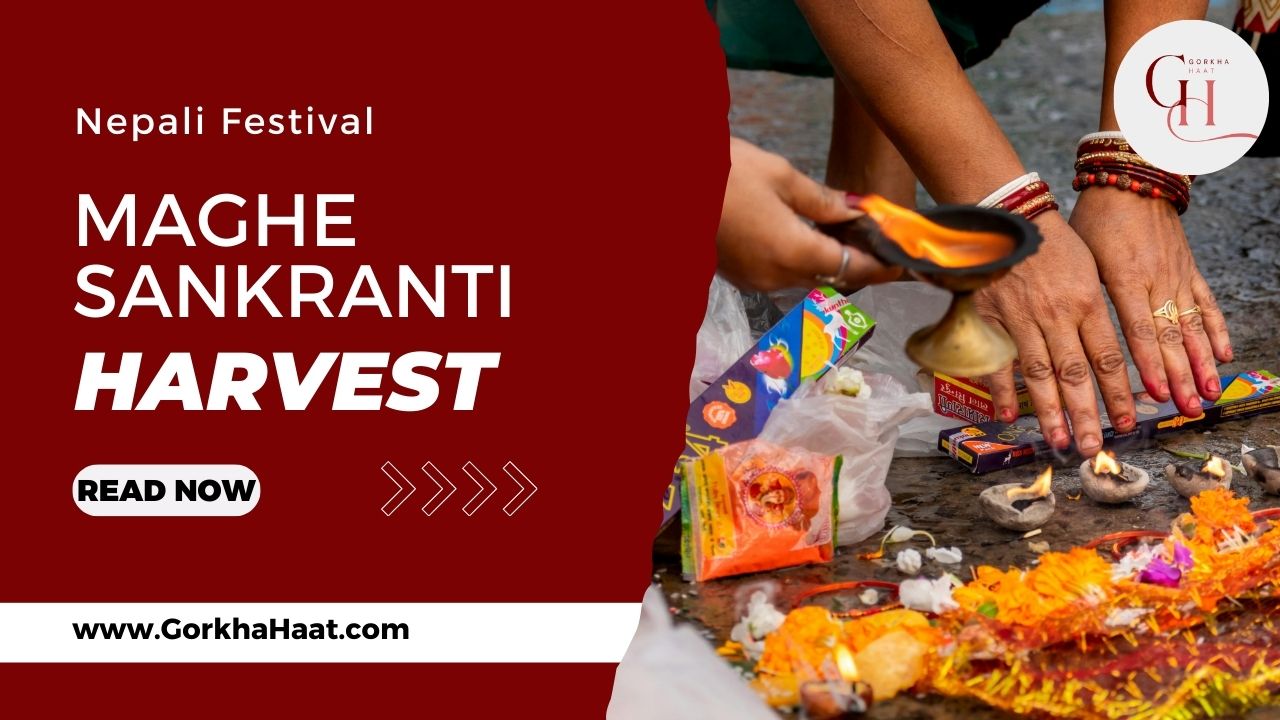
Maghe Sankranti in Darjeeling: Rituals, Foods, Significance & Nepali Traditions | Gorkha Haat
Maghe Sankranti is a major Nepali festival celebrating the Sun God, harvest, and community togetherness. Learn about its rituals, traditional foods, and cultural significance in Gorkha and across Nepal.
Comments
User Name
This is an example comment. Users can leave feedback here.