Swayambhu (Swayambhunath) Stupa: History, Legends, Architecture & Spiritual Guide
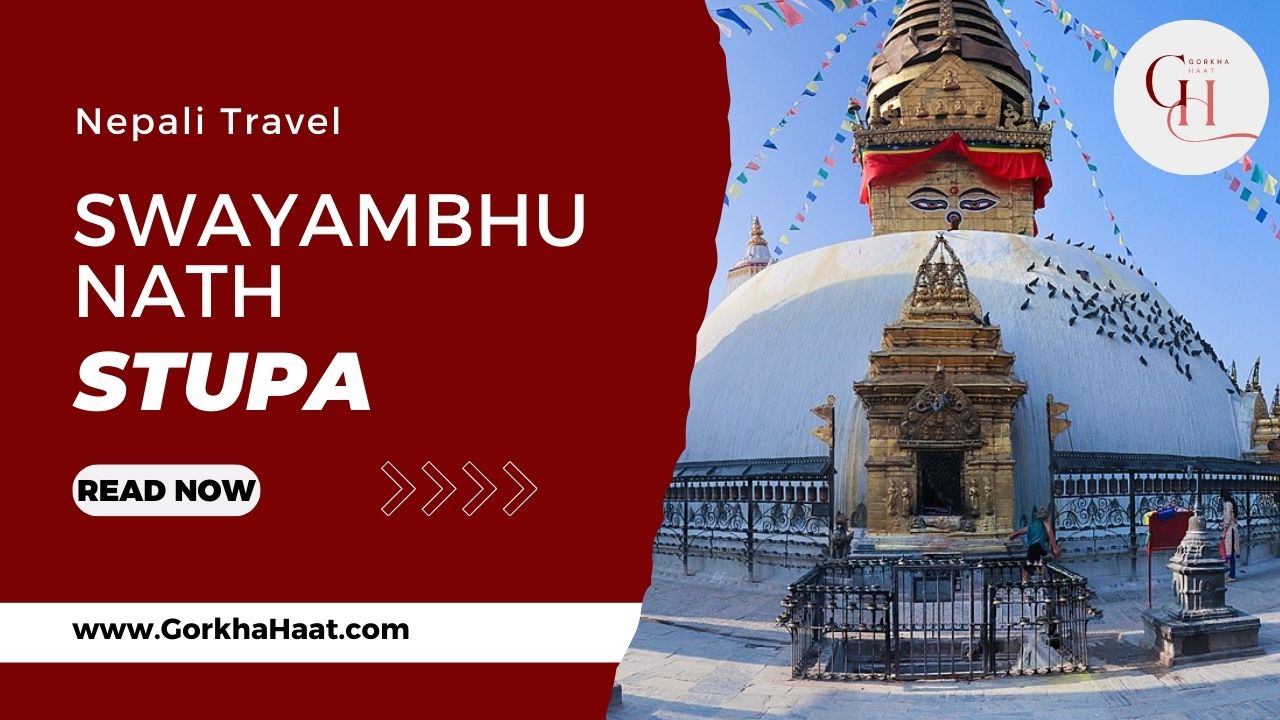
Swayambhu (Swayambhunath) Stupa: The Timeless Symbol of Wisdom, Peace & Buddhist Heritage in Nepal
Perched atop a serene hill overlooking the Kathmandu Valley, Swayambhu—also known as Swayambhunath—stands as one of Nepal’s oldest, most sacred, and most iconic Buddhist monuments. Often called the “Monkey Temple” by visitors, this legendary stupa is more than just a pilgrimage site; it is a powerful symbol of enlightenment, self-creation, and the harmonious blend of Hindu and Buddhist traditions in Nepal.
With its watchful Buddha eyes gazing over the valley, prayer flags fluttering in the wind, and centuries-old shrines surrounding the dome, Swayambhu feels like a living spiritual universe. Its history spans thousands of years, its legends are deeply rooted in Buddhist cosmology, and its cultural influence continues to shape spiritual life in the region.
This article explores the history, legends, architecture, symbolism, rituals, culture, and modern significance of Swayambhu (Swayambhunath), one of the most revered stupas in the world.
Origins and Ancient Legends of Swayambhunath
The Self-Created Stupa
The name Swayambhu means “self-manifested” or “self-created.” According to the Swayambhu Purana, the entire Kathmandu Valley was once a vast lake. In the middle of the lake, a miraculous lotus blossomed, radiating divine light. This lotus is believed to be the physical form of Swayambhu—the source of enlightenment.
Later, Manjushri, the Bodhisattva of Wisdom, came to the valley, cut a gorge at Chobhar with his sword, and drained the lake. This act made the land habitable, and the lotus transformed into the Swayambhu Stupa that we see today.
This legend symbolizes:
Wisdom cutting through ignorance
The emergence of civilization
The birth of a sacred site from natural purity
Swayambhu is therefore not just a monument—it is believed to be the original source of divine energy in the entire valley.
Historical Development
Archaeological records suggest that Swayambhu’s foundations date back more than 2,000 years, making it one of the oldest stupas in Nepal. The stupa was renovated and expanded many times by Lichhavi and Malla kings. Throughout history, it has remained a central pilgrimage site for Tibetan Buddhists, Newar Buddhists, and Hindu devotees alike.
Architectural Brilliance of the Swayambhu Stupa
Swayambhu’s architecture is rich with symbolism and intricate design.
1. The White Dome (Anda)
The dome represents the world and symbolizes the path toward enlightenment. Pilgrims circumambulate the dome in a clockwise direction, spinning prayer wheels and chanting mantras.
2. The Harmika
Above the dome sits a square structure decorated with the Eyes of the Buddha, representing awareness and wisdom. The mysterious third eye symbolizes spiritual insight.
The unusual symbol between the eyes, which looks like a question mark, is actually the Nepali number “१” (one), symbolizing unity and the path to enlightenment.
3. The Thirteen Golden Tiers
These tiers represent the thirteen stages of spiritual transformation that lead to Buddhahood. They signify rising above worldly desires.
4. The Gilded Spire
The pinnacle, capped by an umbrella, represents ultimate liberation—Nirvana.
5. Prayer Wheels & Prayer Flags
Hundreds of prayer wheels inscribed with the mantra Om Mani Padme Hum surround the stupa. Spinning them is believed to send blessings across the world.
Colorful prayer flags represent the five elements:
Blue – Sky
White – Air
Red – Fire
Green – Water
Yellow – Earth
Important Shrines and Structures Around the Stupa
The Swayambhu complex is filled with temples, monasteries, statues, and cultural treasures.
1. Harati Devi Temple
Dedicated to the goddess Harati, protector of children. Hindu and Buddhist mothers visit this shrine to pray for health and blessings for their children.
2. Shantipur
A mysterious shrine said to house a living tantric master who has meditated for centuries. According to legend, he emerges only during times of extreme crisis.
3. Vajra (Dorje) Gateway
At the eastern entrance sits a large golden vajra—a symbol of indestructible truth in Vajrayana Buddhism.
4. Monkey Population
The hillside is home to hundreds of monkeys believed to be descendants of the bodhisattva Manjushri’s lice, transformed through divine power. They are considered sacred and part of the site’s unique charm.
5. Tibetan Monasteries
Around the stupa, Tibetan monasteries conduct rituals, prayers, and teachings. Their chants and butter lamps enhance the spiritual atmosphere.
Swayambhu as a Spiritual & Cultural Symbol
Swayambhu is revered for several reasons:
1. A center of Buddhist learning and meditation
Monks, nuns, and lay practitioners visit the stupa for:
Meditation
Prayer
Chanting
Ritual ceremonies
The site’s tranquil energy makes it ideal for spiritual practice.
2. A meeting point of Hinduism and Buddhism
Swayambhu demonstrates Nepal’s religious harmony. Both Hindus and Buddhists worship here, each interpreting the site through their own philosophical lens.
3. A Newar Buddhist heritage site
Newar Buddhism, one of the oldest Buddhist traditions in the world, has deep roots in Swayambhu’s history. Rituals, festivals, and artistic traditions of Newar communities contribute to the temple’s cultural richness.
Festivals Celebrated at Swayambhu
1. Buddha Jayanti
Celebrating the birth, enlightenment, and parinirvana of Gautama Buddha, the stupa glows with butter lamps, prayer flags, and offerings.
2. Lhosar
Tibetan New Year is celebrated with dances, prayers, and spiritual ceremonies. Thousands of Tibetan Buddhists gather at Swayambhu during this time.
3. Gunla
A sacred month for Newar Buddhists, featuring musical processions, special rituals, and offerings.
4. Samyak Mahadan
Held once every few years, this massive festival brings thousands of devotees together to offer alms to the Sangha (monastic community).
The Journey to the Stupa: A Pilgrimage Experience
Visitors can reach Swayambhu via:
A long staircase of 365 steps symbolizing a spiritual ascent
A motorable road leading to the western entrance
Climbing the steps is deeply symbolic—each step representing a step toward self-discipline and enlightenment. Along the way, prayer wheels, statues, and monkeys greet pilgrims on their spiritual journey.
Why Swayambhu Matters Today
Even in modern times, Swayambhu remains:
A symbol of peace and compassion
A center for Buddhist philosophy
A site for meditation and healing
A cultural landmark representing Nepal’s heritage
A living spiritual environment where ancient traditions continue unchanged
It is one of the few spiritual sites in the world where history, religion, nature, and living culture exist in perfect harmony.
Gorkha Haat Team
We share stories of authentic Nepali heritage, food, culture, and local markets.
Related Posts
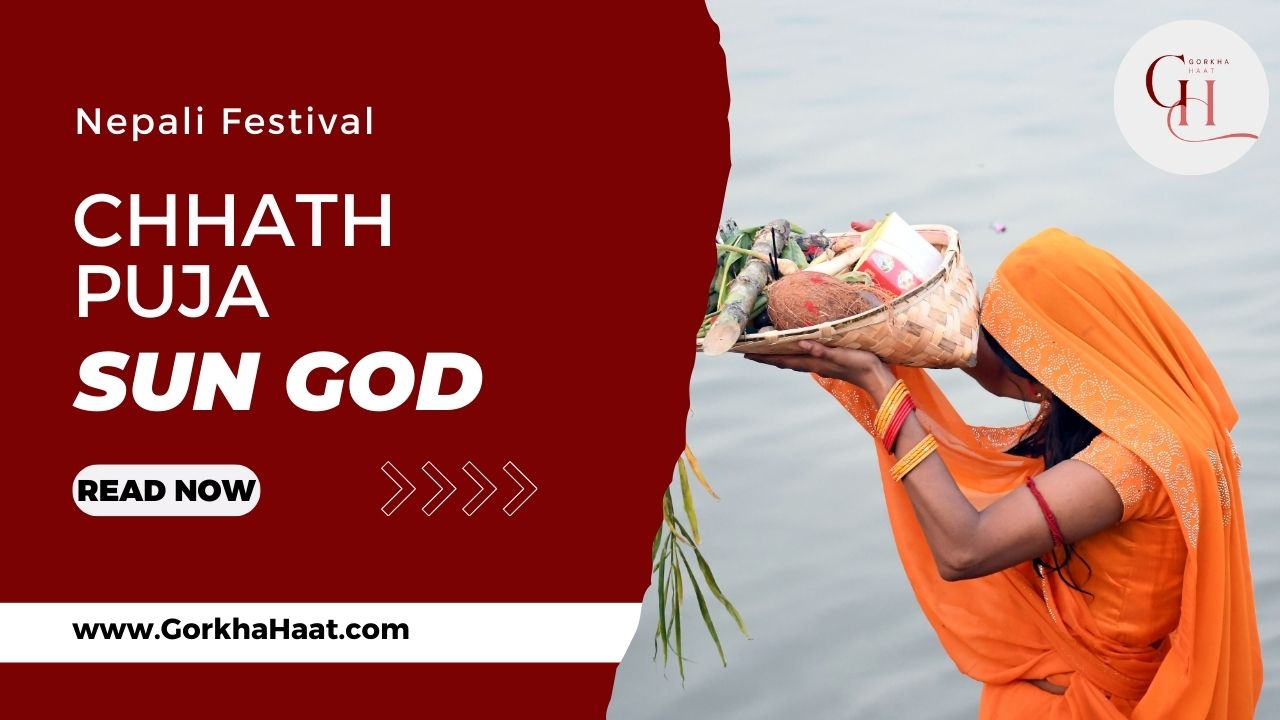
Chhath Puja in Darjeeling: Rituals, Significance & Nepali Traditions | Gorkha Haat
Discover Chhath Puja in Darjeeling's Nepali communities—honoring the Sun God with four days of rituals, fasting, and cultural celebrations. Explore origins, tips, and local significance at Gorkha Haat.
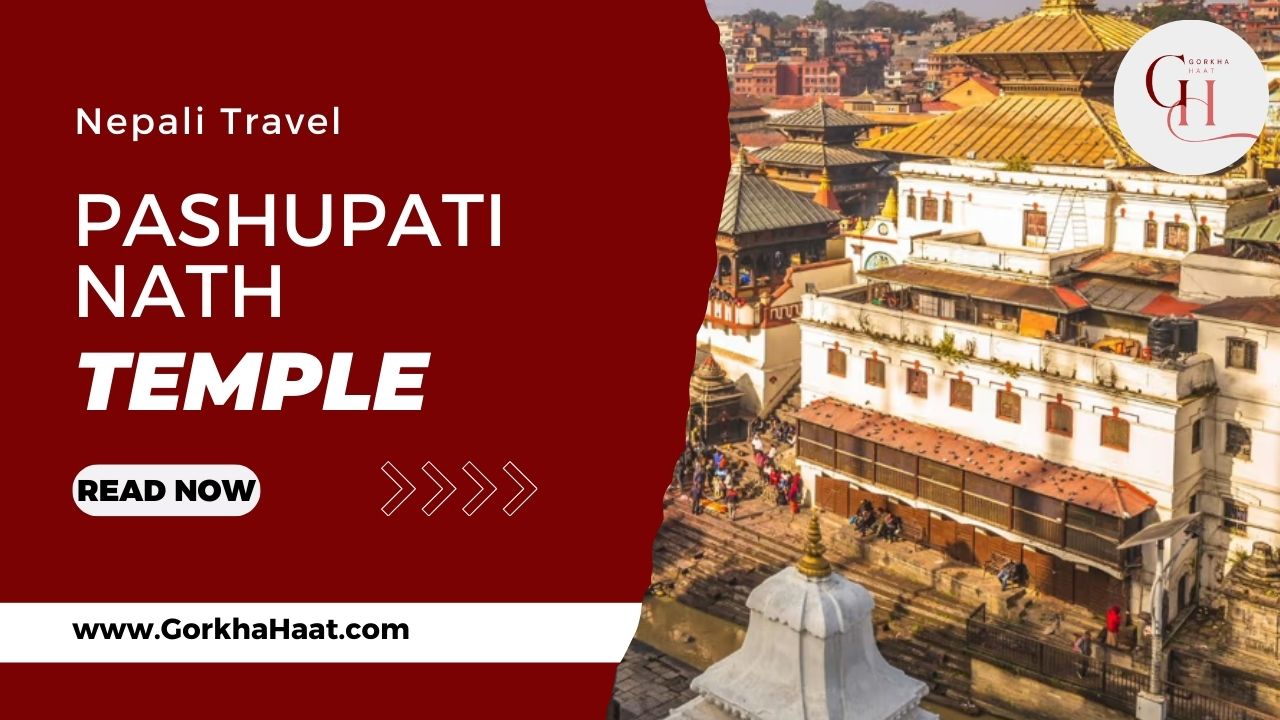
Pashupatinath Temple: History, Spiritual Significance & Complete Guide (2026)
Pashupatinath Temple is Nepal’s most sacred Shiva shrine, known for its ancient architecture, spiritual energy, and centuries-old rituals. Located by the Bagmati River, this UNESCO World Heritage Site remains a powerful center for Hindu devotion, culture, and traditional ceremonies.
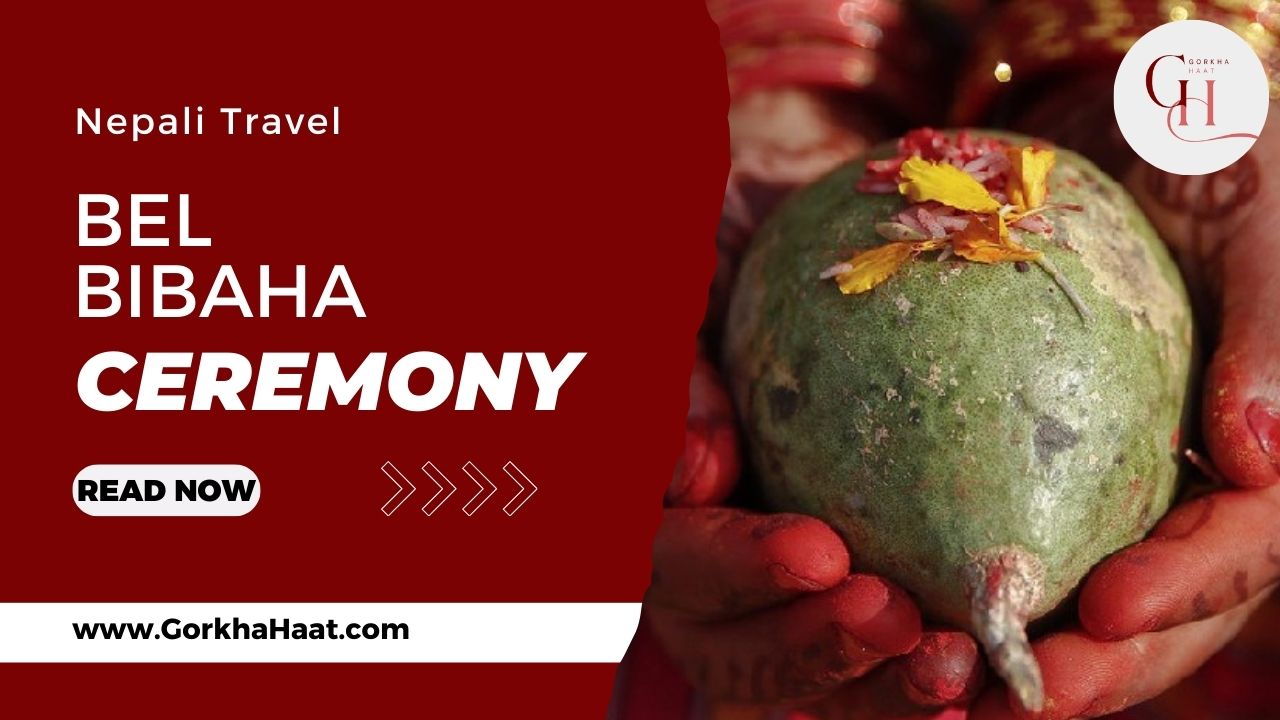
Bel Bibaha (Ihi) in Nepal and Darjeeling Queen of Hills: Meaning, Rituals, Significance & Newar Cultural Tradition
Discover Bel Bibaha – Newar girls’ divine marriage to Bel fruit (Lord Vishnu). Full rituals, meaning, and differences between Kathmandu Valley and Darjeeling traditions.
Comments
User Name
This is an example comment. Users can leave feedback here.