Gorkha Durbar: History, Architecture & Heritage Significance of Nepal’s Iconic Hilltop Palace
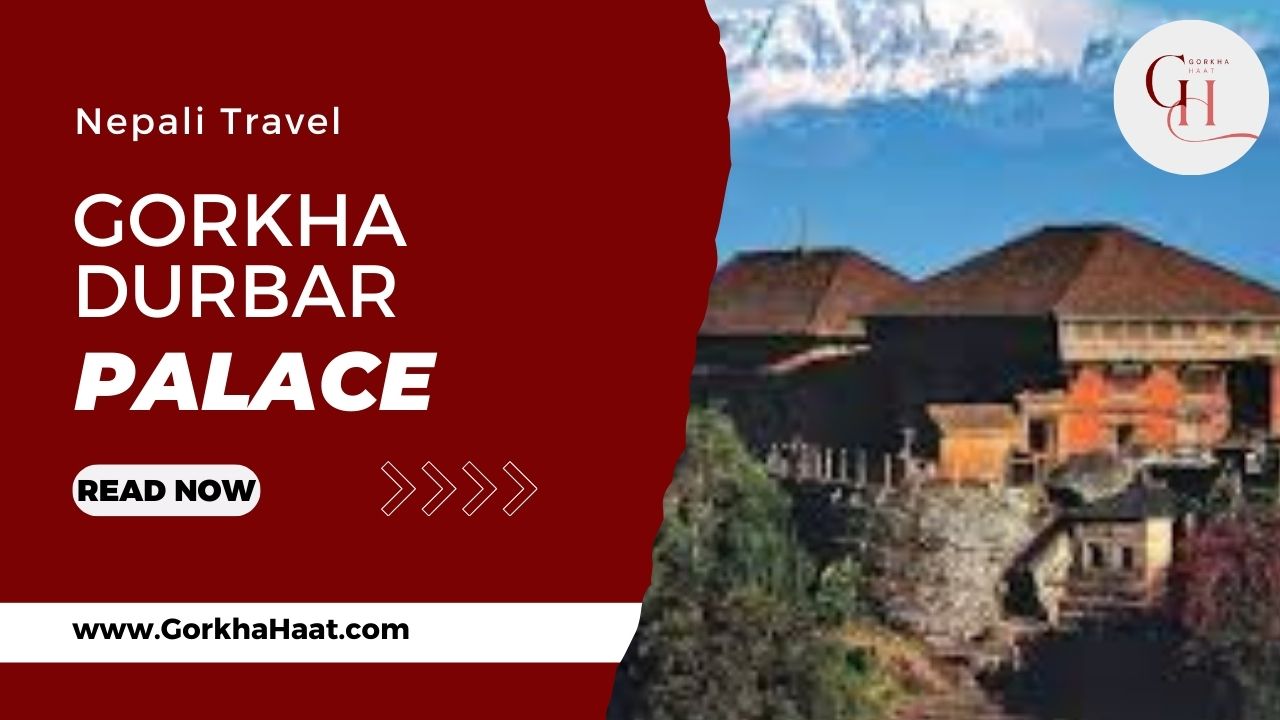
Gorkha Durbar: The Historic Palace That Shaped Nepal’s Identity
Gorkha Durbar stands as one of Nepal’s most iconic historical landmarks—a powerful symbol of unity, bravery, and the nation’s unification era. Perched majestically on a hilltop in the town of Gorkha, this ancient palace complex blends royal architecture, spiritual significance, and breathtaking Himalayan scenery. For anyone exploring Nepal’s history, Gorkha Durbar is a destination that reveals the origins of the Nepali state and the legacy of the Shah dynasty.
A masterpiece of Newa craftsmanship and hill-native architecture, the Durbar is more than a palace—it is a living museum of Nepal’s past. Its courtyards, temples, monuments, and panoramic views provide visitors with a direct connection to the birthplace of King Prithvi Narayan Shah and the beginning of Nepal’s unification campaign.
This article explores the history, architecture, cultural relevance, and tourism value of Gorkha Durbar.
Historical Significance of Gorkha Durbar
Gorkha Durbar was built in the 16th century during the reign of King Ram Shah and later became the royal palace of King Prithvi Narayan Shah—the visionary king who unified small kingdoms to form modern Nepal. As the headquarters of the Shah rulers, the palace played a central role in strategic planning, administration, and military decision-making.
Why Gorkha Durbar is historically important:
It is the birthplace of Nepal’s unification campaign.
It once housed Nepal’s royal family before the capital moved to Kathmandu.
It symbolized political and military power during the 18th century.
It served as a cultural and administrative center of the Gorkha Kingdom.
For history enthusiasts, visiting Gorkha Durbar offers a deeper understanding of Nepal’s formation and the legacy of the Shah kings.
Architectural Marvel of the Hills
Gorkha Durbar is admired for its blend of Newa woodwork, traditional Nepali hill architecture, and defensive fortress design. Built strategically on a hilltop at about 1,400 meters, it offers a full 360-degree view of the surrounding valleys and the Himalayan range, making it ideal for monitoring the region in ancient times.
Key architectural features:
Intricate wooden carvings depicting deities, warriors, and traditional symbols
Stone pathways and staircases that highlight ancient engineering
Layered courtyards and palace halls used for administration and royal purposes
Fort-like structure designed for defense
Pagoda-style temples within the palace complex
Its unique craftsmanship reflects the skills of Newa artisans who were invited from the Kathmandu Valley, combined with the rugged practicality of local builders.
Temples Inside Gorkha Durbar
The palace complex includes two significant temples that hold spiritual importance for the region:
1. Kalika Temple
Dedicated to Goddess Durga, this temple is a sacred site for the royal family and local residents. The wooden artwork and ritual traditions associated with Kalika Devi give the temple immense cultural value.
2. Gorakhnath Cave Temple
Below the palace lies the legendary cave of sage Gorakhnath, believed to have blessed King Prithvi Narayan Shah before he began the unification of Nepal. Pilgrims visit the cave seeking blessings, strength, and spiritual cleansing.
These temples make Gorkha Durbar a center of religious devotion as well as historical exploration.
The Climb to Gorkha Durbar
One of the most memorable experiences of visiting Gorkha Durbar is the journey itself. The palace is reached via:
A long stone staircase, often called the "Gorkha steps"
Traditional pathways surrounded by trees and hills
Rest points with scenic views of Gorkha Bazaar and the surrounding valleys
Though the climb is challenging, it is rewarding. The higher you go, the more spectacular the views become, offering a glimpse into the landscape that shaped the lives of early Nepali rulers.
Panoramic Views of the Himalayas
From the top of the Durbar, visitors can see famous Himalayan peaks including:
Manaslu
Himalchuli
Ganesh Himal
The palace’s hilltop location makes it a natural viewpoint for sunrise and sunset, with golden light illuminating the mountains and the palace walls.
Gorkha Durbar in Modern Times
Today, Gorkha Durbar is one of Nepal’s most important heritage sites, attracting historians, researchers, travelers, and cultural explorers. After the 2015 earthquake, parts of the palace were damaged, but restoration efforts have preserved much of its original glory.
Gorkha Durbar is known for:
Its authentic representation of Nepal’s unification history
Being a must-visit heritage point for domestic and international tourists
Architecture that combines beauty, craftsmanship, and strength
A peaceful environment that reflects Nepal's ancient royal lifestyle
The palace continues to inspire pride in Nepalese culture and history.
Conclusion
Gorkha Durbar is more than a historic palace—it is a monument that shaped Nepal's destiny. Its hilltop architecture, spiritual temples, breathtaking views, and deep historical roots make it one of the most meaningful heritage sites in the country. For anyone who wants to understand Nepal’s identity, Gorkha Durbar is a place that tells a story of unity, bravery, and cultural brilliance.
Gorkha Haat Team
We share stories of authentic Nepali heritage, food, culture, and local markets.
Related Posts
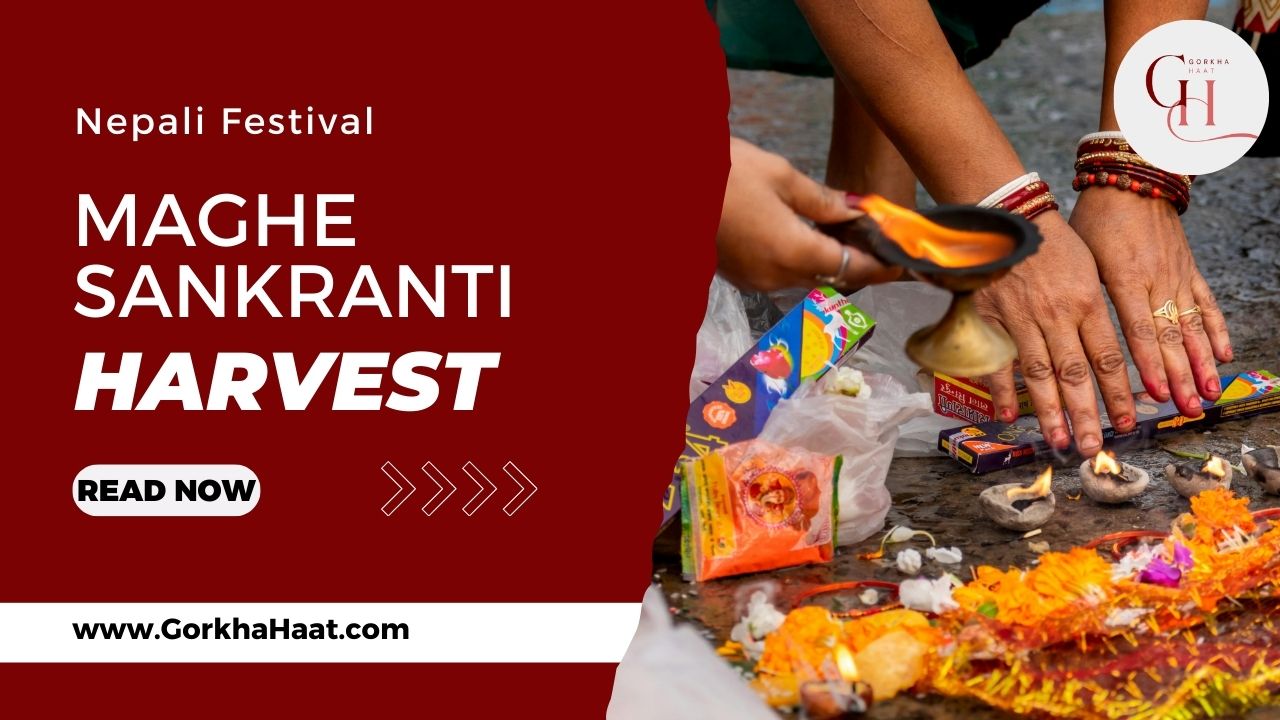
Maghe Sankranti in Darjeeling: Rituals, Foods, Significance & Nepali Traditions | Gorkha Haat
Maghe Sankranti is a major Nepali festival celebrating the Sun God, harvest, and community togetherness. Learn about its rituals, traditional foods, and cultural significance in Gorkha and across Nepal.
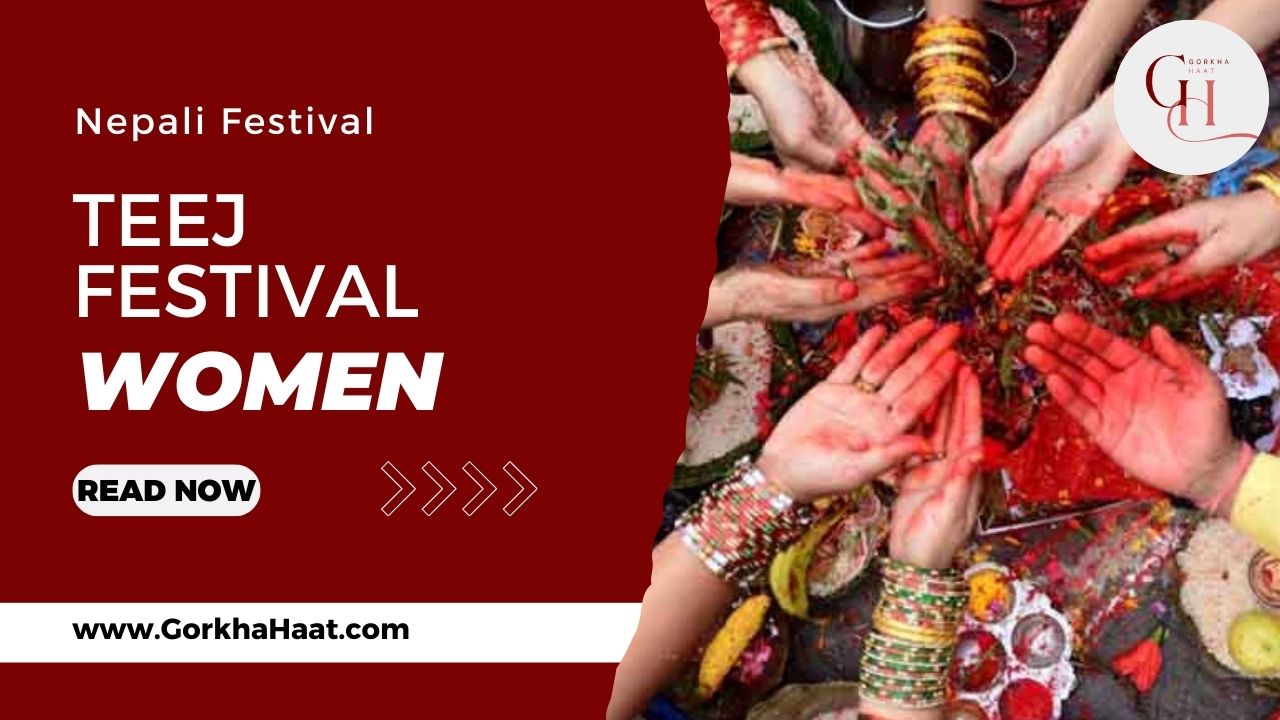
Teej Festival in Darjeeling 2025: Hartalika Teej Rituals, Songs & Celebrations | Gorkha Haat
Experience the vibrant women’s festival of Teej in Darjeeling—red saris, fasting, traditional dances, and delicious hill foods. Discover rituals, cultural significance, and the best places to celebrate Hartalika Teej with Gorkha Haat.
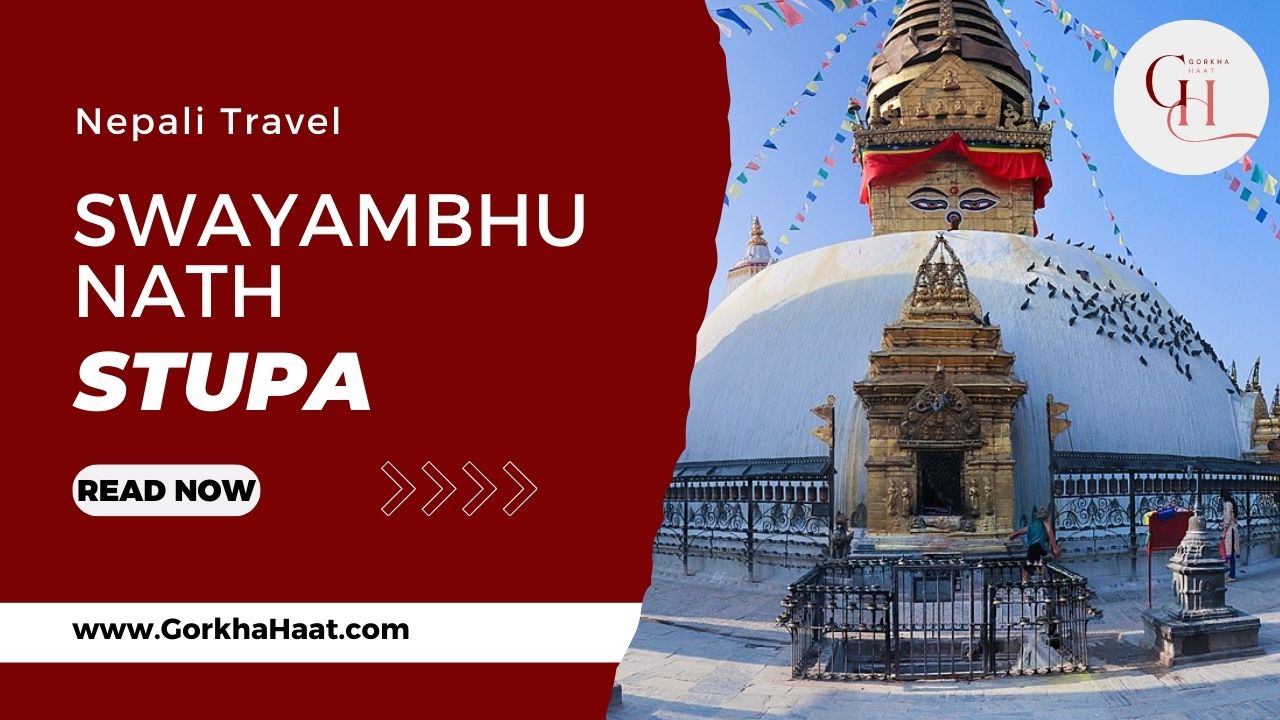
Swayambhu (Swayambhunath) Stupa: History, Legends, Architecture & Spiritual Guide
Swayambhu (Swayambhunath) Stupa is one of Nepal’s oldest and most sacred Buddhist monuments. Known for its serene hilltop setting, iconic Buddha eyes, and rich spiritual history, it remains a powerful symbol of enlightenment, peace, and cultural harmony in the Kathmandu Valley.
Comments
User Name
This is an example comment. Users can leave feedback here.