Bhaktapur Durbar Square: History, Temples & Complete Travel Guide (2026)
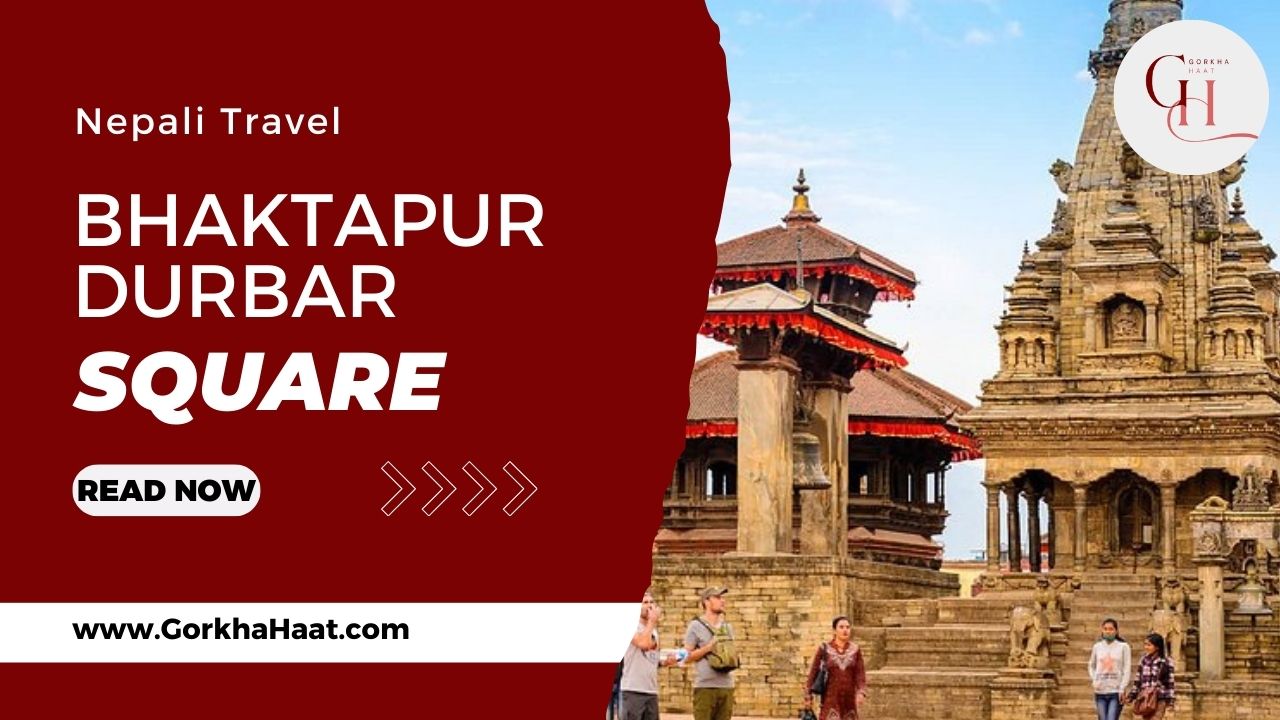
Bhaktapur Durbar Square: A Living Museum of Nepal’s Ancient Art, Culture & Royal Heritage
Bhaktapur Durbar Square stands as one of Nepal’s most treasured cultural landmarks—a city center that transports you straight into the golden age of Newar civilization. Located in the heart of Bhaktapur, this UNESCO World Heritage Site is not just an architectural wonder but an entire world of history, artistry, spirituality, and living tradition. From centuries-old palaces and temples to intricate wood carvings and vibrant festivals, Bhaktapur Durbar Square holds a charm that feels timeless, authentic, and deeply rooted in Nepal’s cultural identity.
While Kathmandu and Patan reflect their own historical narratives, Bhaktapur’s heritage remains uniquely preserved. It is often described as “the cultural capital of Newars,” and a walk through the square feels like entering a living museum—one where local artisans still craft pottery, woodwork, and traditional art, and where heritage is not just preserved but practiced, lived, and celebrated daily.
In this article, we’ll explore the history, major attractions, craftsmanship, festivals, and cultural significance of Bhaktapur Durbar Square, along with travel insights for visitors looking to experience the authentic soul of Nepal.
Historical Background: The Kingdom of Bhaktapur
Bhaktapur, historically known as Bhadgaon or Khwopa, was one of the three major kingdoms in the Kathmandu Valley. It flourished during the Malla period (12th–18th century), an era defined by immense cultural development, artistic innovation, and architectural transformation.
The Malla kings of Bhaktapur were great patrons of craftsmanship and temple-building. Under their rule, Bhaktapur Durbar Square was developed into a royal complex with temples, courtyards, palaces, and ceremonial structures. Much of what stands today reflects their legacy—an era where artisanship reached its peak, and aesthetics held as much importance as function.
Even after the unification of Nepal, Bhaktapur retained its distinct Newar cultural identity. Today, the square remains one of the best-preserved heritage zones in the country.
Major Attractions of Bhaktapur Durbar Square
1. 55-Window Palace (Pachpanna Jhyale Durbar)
One of the most iconic monuments of Bhaktapur Durbar Square, the 55-Window Palace was built by King Bhupatindra Malla. Known for its mesmerizing wooden window frames, this palace showcases the finest craftsmanship in Newari architecture.
Its intricate windows, ornamental facades, and powerful aura reflect the royal grandeur of the Malla period. Though the palace is currently preserved as a museum, the beauty of its outer façade remains a highlight for visitors.
2. Vatsala Temple
Located near the palace, the Vatsala Temple is an elegant stone temple dedicated to Goddess Vatsala Devi. Built in traditional shikhara style, it is well known for its stone carvings, detailed friezes, and the impressive Taleju Bell beside it—famously known as the “Big Bell,” rung during rituals and festivals.
3. Nyatapola Temple (Located in Taumadhi Square Nearby)
Though technically in Taumadhi Square, Nyatapola Temple is an essential part of Bhaktapur’s cultural identity. With its five-tiered pagoda structure, it is the tallest temple in Nepal and a masterpiece of architectural balance.
Nyatapola is dedicated to Goddess Siddhi Lakshmi and is famed for its powerful stone guardians that line the staircase. The temple has survived major earthquakes—a testament to its remarkable engineering.
4. Golden Gate (Sun Dhoka)
Often described as the most beautiful door in Nepal, the Golden Gate is the entrance to the 55-Window Palace courtyard. With its stunning repoussé art, divine figures, and intricate metalwork, the gate is a glowing symbol of the artistic brilliance of Newar metal artisans.
5. Lion’s Gate (Simhadhoka)
Another striking structure, the Lion’s Gate, features sculpted guardian lions and majestic craftsmanship. Legends say that the sculptor who carved it had his hands cut off to prevent him from duplicating his masterpiece.
6. Pottery Square & Traditional Craftsmanship
Bhaktapur is the cultural center for traditional pottery in Nepal. At Pottery Square, artisans shape clay into pots, lamps, vessels, idols, and utility items using centuries-old techniques. This art form is not just symbolic but also an important livelihood for local families.
Visitors can witness:
Clay molding
Wheel spinning
Drying rows of handcrafted pottery
Firing in traditional brick kilns
It is a rare opportunity to see heritage craftsmanship still thriving today.
7. Temples & Shrines Everywhere
Bhaktapur Durbar Square is filled with dozens of temples dedicated to various Hindu deities such as Bhairav, Krishna, Taleju, and Shiva. Every corner has a shrine, statue, or carving, reflecting the spiritual significance of the city.
Festivals Celebrated in Bhaktapur
Bhaktapur is known for hosting some of Nepal’s most vibrant and ancient festivals. Among them:
Bisket Jatra
Bhaktapur’s grandest festival, celebrated in April, features massive chariot processions of Bhairav and Bhadrakali. Thousands gather to witness the tug-of-war chariot ritual, symbolizing mythological battles and seasonal renewal.
Gai Jatra
A colorful festival honoring departed souls, featuring humorous performances, dances, and costumes.
Indra Jatra (Bhaktapur Version)
Bhaktapur has its unique celebrations with masked dances and rituals dedicated to the rain god Indra.
Yomari Punhi
A Newar food festival where people prepare Yomari, a sweet rice-dough treat filled with molasses and sesame. Bhaktapur celebrates it with great enthusiasm.
These festivals show that the square is not a static historical site, but a vibrant living heritage.
Architectural Grandeur & Newar Craftsmanship
Bhaktapur Durbar Square is renowned for three major art forms:
1. Woodcarving
Seen in windows, doors, pillars, and sculptures—Bhaktapur’s woodwork is unmatched.
2. Stone Carving
Temples and fountains feature detailed carvings of gods, animals, and mythological motifs.
3. Metalwork
From the Golden Gate to ritual objects, metal artisanship thrives in the city.
These crafts make Bhaktapur one of the most culturally rich cities in Nepal.
Why Bhaktapur Durbar Square Matters Today
It preserves Newar culture and identity
It showcases Nepal’s finest traditional architecture
It supports local artisans and crafts
It attracts tourists and boosts local economy
It serves as a spiritual and cultural center
Despite modernization, Bhaktapur has retained its authenticity, making it one of the best-preserved heritage cities in Nepal.
Gorkha Haat Team
We share stories of authentic Nepali heritage, food, culture, and local markets.
Related Posts

Nwaran – Naming Ceremony in Darjeeling and Nepal: Rituals, Astrology & Cultural Significance
Nwaran, the traditional naming ceremony in Nepal, is a sacred ritual where newborns receive their name based on astrological calculations and blessings from gods and family. It marks purification, protection, and the child’s formal introduction into culture and community.
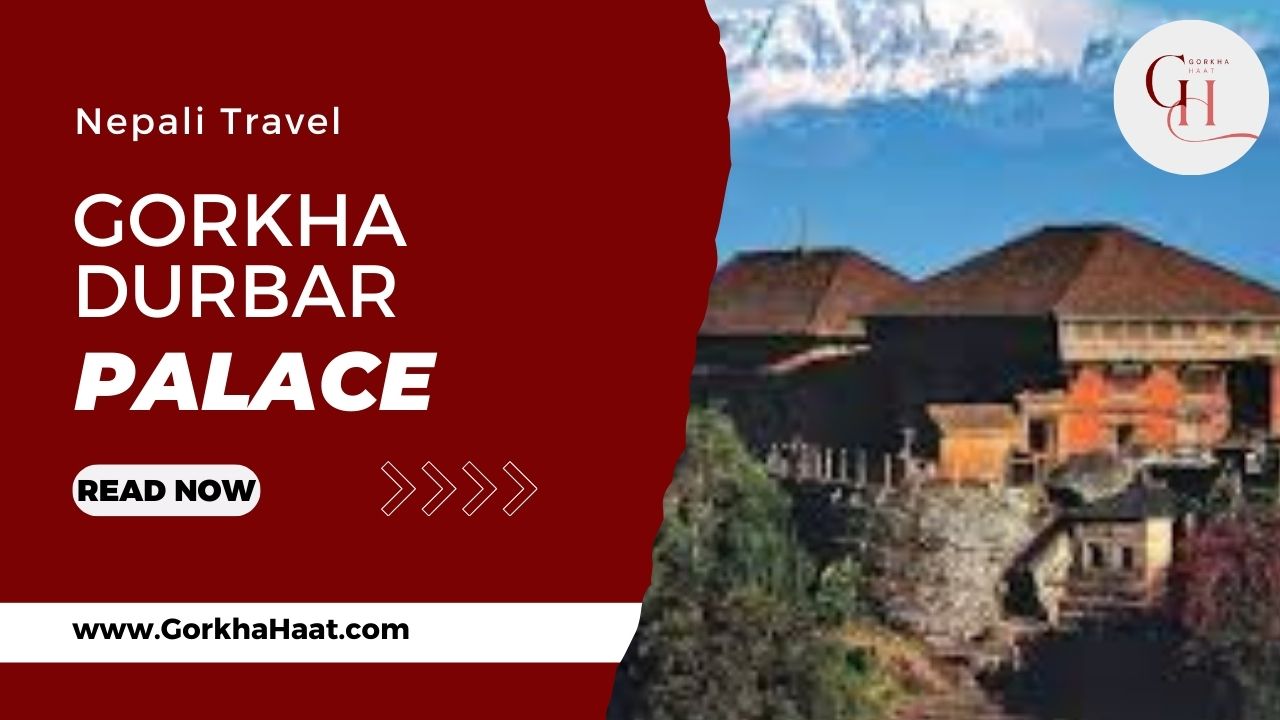
Gorkha Durbar: History, Architecture & Heritage Significance of Nepal’s Iconic Hilltop Palace
Gorkha Durbar is a historic hilltop palace known as the birthplace of Nepal’s unification. Blending Newa craftsmanship, temples, and panoramic Himalayan views, it remains one of Nepal’s most culturally significant heritage sites.
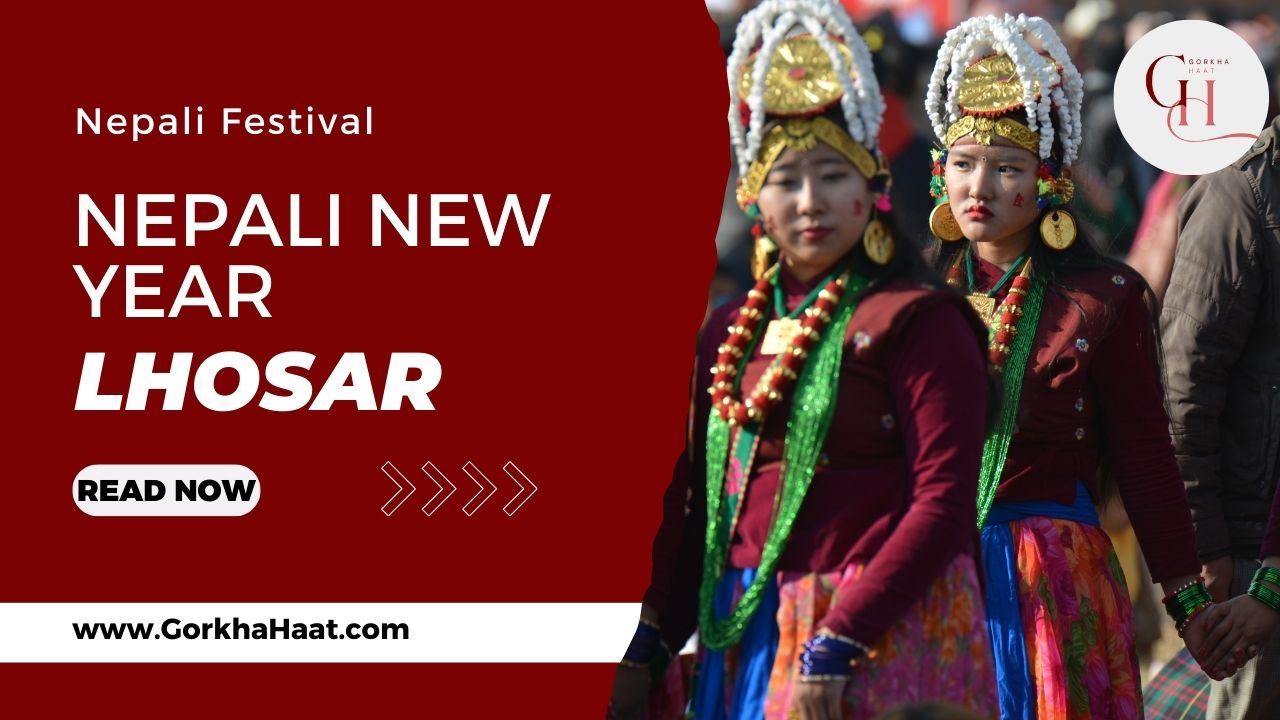
Lhosar 2026 Darjeeling: Tamang, Gurung & Sherpa New Year Celebrations | Gorkha Haat
Lhosar, the Nepali New Year, is celebrated with rituals, prayers, traditional foods, and cultural performances. Discover the significance, customs, and celebrations of Lhosar across Nepalese communities.
Comments
User Name
This is an example comment. Users can leave feedback here.