Chhath Puja in Darjeeling: Rituals, Significance & Nepali Traditions | Gorkha Haat
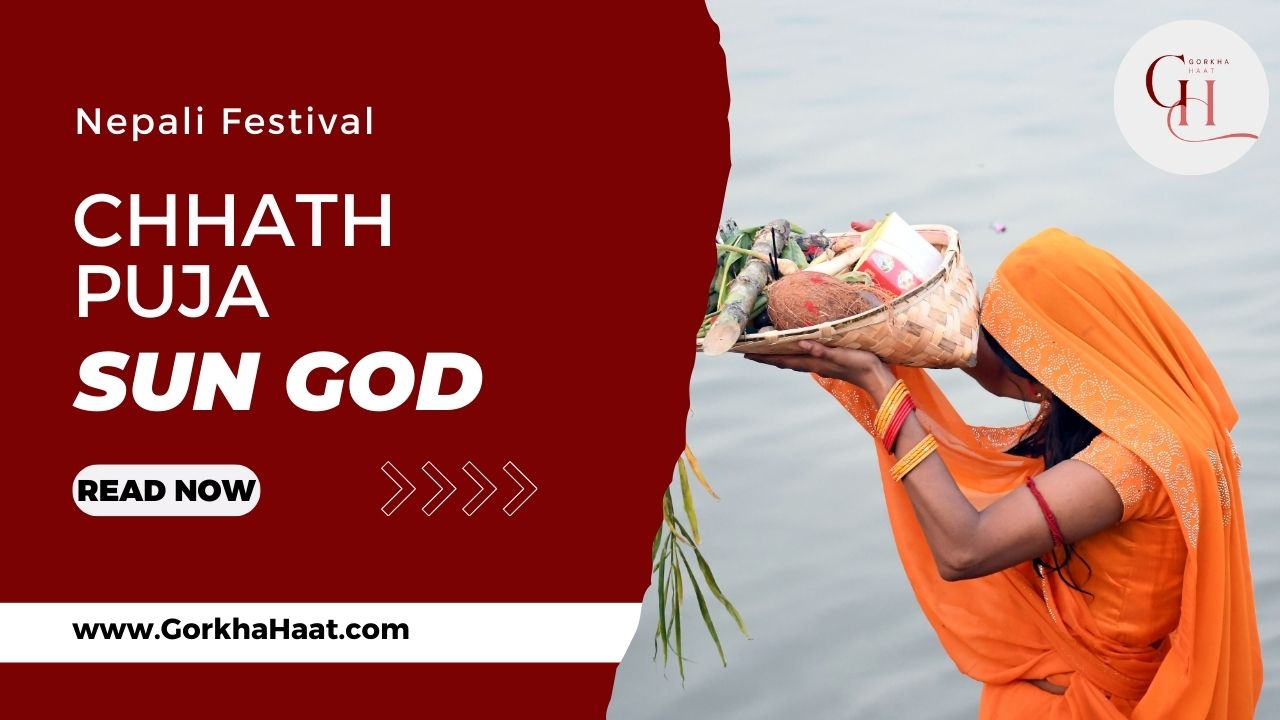
Chhath Puja is a deeply cherished festival among Nepali communities in Darjeeling, particularly in areas like Gorkha Haat and surrounding hills, where it echoes the traditions shared across the border in Nepal's Terai region. This vibrant celebration honors the Sun God (Surya) and Chhathi Maiya through four days of devoted rituals, fasting, and communal gatherings. Beyond its religious essence, Chhath Puja embodies gratitude for nature's bounty, strengthens family ties, and preserves the rich cultural tapestry of Nepali heritage in Darjeeling, making it a cornerstone of local life.
Origin and Significance of Chhath Puja
Rooted in ancient Hindu texts, Chhath Puja venerates the Sun God as the ultimate source of vitality, prosperity, and sustenance. Devotees in Darjeeling believe that sincere worship brings blessings of good health, abundance, and harmony. What sets this festival apart is its rigorous observance by both women and men, involving intense fasting and disciplined prayers that demonstrate profound commitment.
At its core, Chhath Puja is about expressing thanks to Surya for nurturing life on Earth and invoking prosperity for the future. In Darjeeling, rituals are often performed along pristine riverbanks or serene ponds, such as those near the Teesta River or local water bodies, where the natural setting enhances the spiritual resonance and connects participants to the region's breathtaking Himalayan landscapes.
Chhath Puja Rituals
This festival unfolds through precise, time-honored rituals over four days, each carrying unique meaning:
Nahay Khay (First Day) The observance starts with Nahay Khay, a purifying ritual where participants bathe in holy waters and enjoy a modest vegetarian meal. This step fosters inner cleanliness and prepares the spirit for the demanding days ahead, setting a tone of reverence in Darjeeling's crisp mountain air.
Kharna (Second Day) Devotees undertake a rigorous day-long fast, abstaining from food and water until evening. The fast breaks with sacred offerings like kheer (rice pudding sweetened with jaggery) and seasonal fruits, shared as prasad among loved ones. In Darjeeling homes, this moment reinforces community bonds, blending local flavors with age-old customs.
Sandhya Arghya (Evening Offering on Third Day) The pinnacle of the festival, this day sees crowds assembling by water bodies to pray to the setting sun. Standing waist-deep in cool waters, worshippers present fruits, lit diyas, and traditional items while reciting ancient hymns. In Darjeeling, the golden hues of the sunset against the hills create a mesmerizing backdrop, symbolizing unwavering faith and collective devotion.
Usha Arghya (Morning Offering on Fourth Day) Culminating at dawn, devotees offer prayers to the rising sun, maintaining their fast until the ritual's end. The breaking of the fast with prasad follows, ushering in celebrations filled with joy and renewed energy. Darjeeling's early morning mists add a mystical layer to this act, deepening the sense of gratitude and spiritual fulfillment.
Cultural Importance in Darjeeling and Gorkha Haat
Chhath Puja transcends religion to become a vibrant showcase of Nepali culture in Darjeeling, uniting families, neighbors, and visitors in Gorkha Haat and beyond. It echoes similar observances in Nepal's Gorkha district, fostering a shared sense of identity while highlighting local adaptations influenced by the region's tea estates and diverse communities. Folk melodies, ritual dances, and group feasts promote social unity, helping preserve traditions amid modern life.
Moreover, the festival encourages eco-awareness, with devotees using biodegradable offerings and maintaining the purity of Darjeeling's water sources. This aligns sacred practices with the area's commitment to sustainability, reflecting the harmonious bond between people and the Himalayan environment.
Tips for Observing Chhath Puja in Darjeeling
To fully embrace Chhath Puja, consider these practical insights tailored to the local context:
Source fresh, organic ingredients from Darjeeling markets like Gorkha Haat for offerings, ensuring authenticity and purity.
Opt for warm, modest traditional clothing to suit the cooler hill climate during outdoor rituals.
Adhere strictly to fasting guidelines, consulting elders for guidance on health and hydration in higher altitudes.
Prioritize safety near rivers or ponds, especially with Darjeeling's variable weather—check forecasts and go in groups.
Join local community events at Gorkha Haat to immerse in the festive spirit, sharing stories and prasad with fellow celebrants.
Conclusion
Chhath Puja stands as a luminous testament to faith, discipline, and cultural resilience in Darjeeling's Nepali communities. Through its elaborate rituals and heartfelt devotion to the Sun God and Chhathi Maiya, it nurtures spiritual growth while weaving threads of unity across families and societies. For those in Gorkha Haat and the wider Darjeeling region, this festival is a living emblem of ancestral wisdom, environmental harmony, and the timeless link between humanity and the cosmos—inviting all to partake in its transformative essence.
Gorkha Haat Team
We share stories of authentic Nepali heritage, food, culture, and local markets.
Related Posts
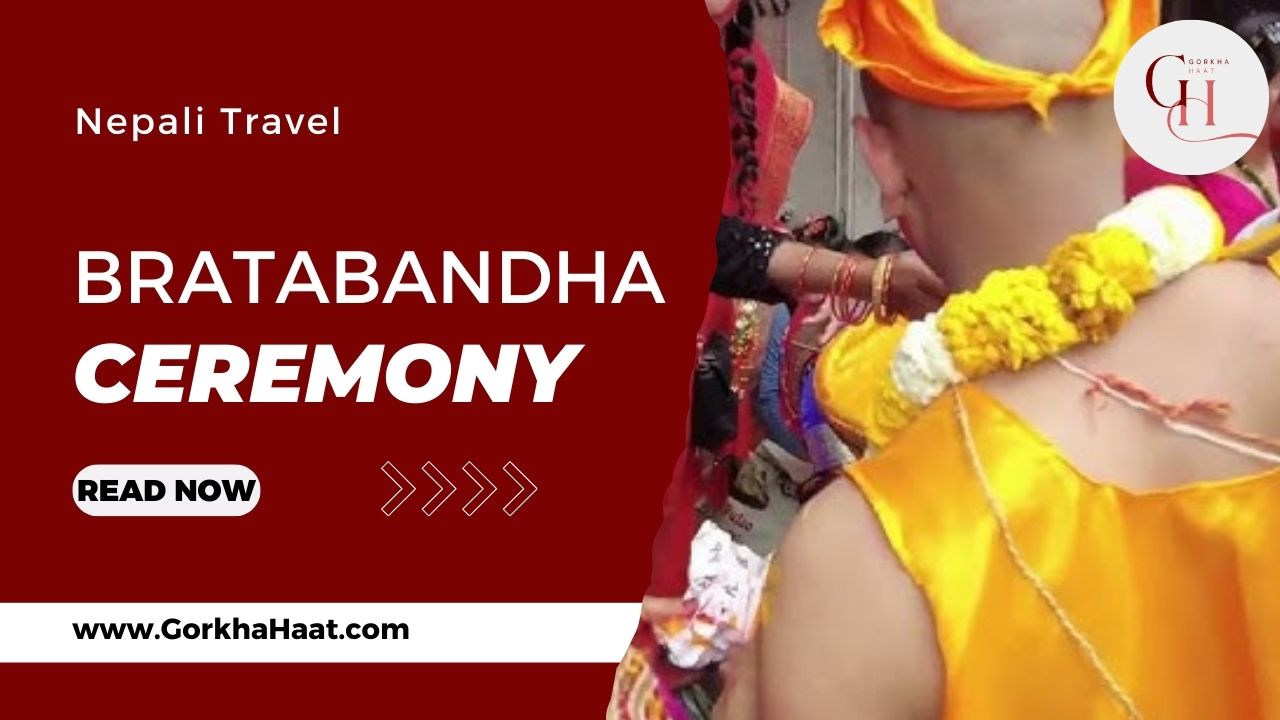
Bratabandha Ceremony in Nepal & Darjeeling: Meaning, Rituals, Traditions & Cultural Significance
Explore Bratabandha (Upanayana) – sacred thread ceremony rituals, Gayatri Mantra, Janeu significance & differences between Nepal and Darjeeling Gorkha traditions.
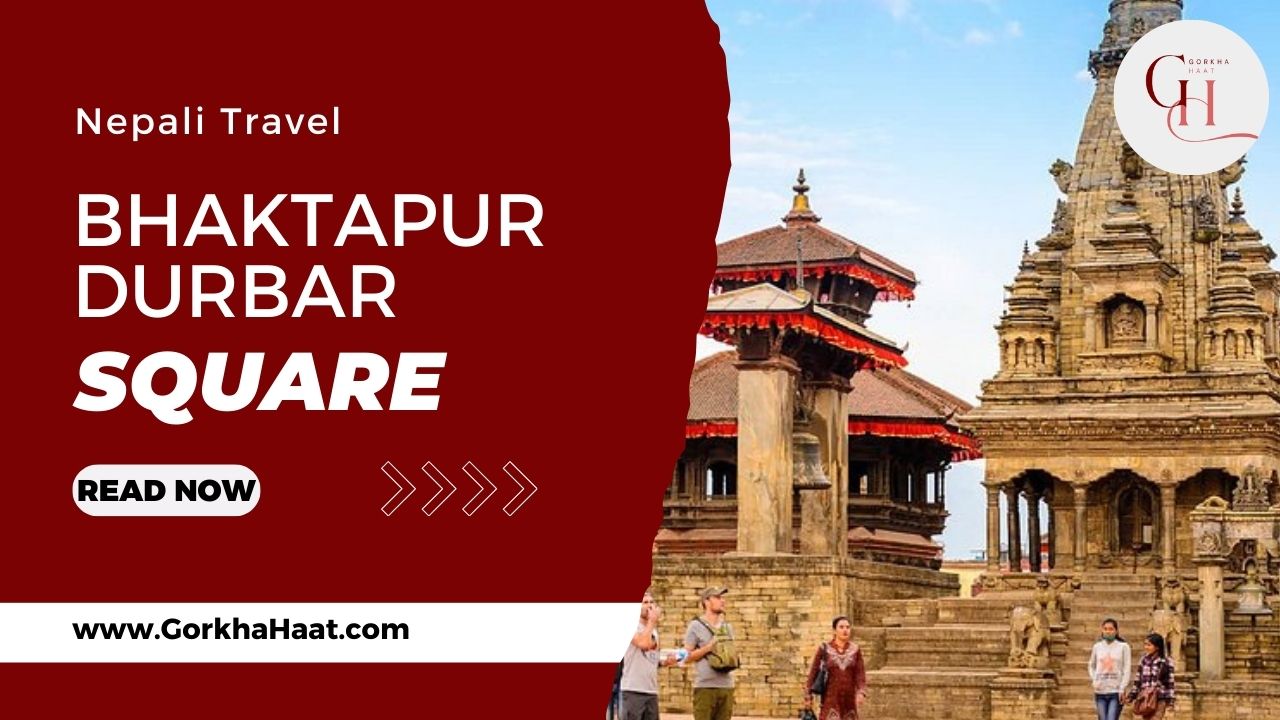
Bhaktapur Durbar Square: History, Temples & Complete Travel Guide (2026)
Bhaktapur Durbar Square is a UNESCO World Heritage Site known for its ancient palaces, temples, wood carvings, and vibrant Newar culture. A living museum of Nepal’s history, it continues to preserve traditional craftsmanship, festivals, and royal heritage in the most authentic form.

Janku Ceremony Nepal & Darjeeling: Newar Longevity Guide 2026
Discover Janku – Newar elders’ divine longevity ritual at 77, 88, 99 years. Rituals, significance & differences between Kathmandu Valley and Darjeeling Newar traditions.
Comments
User Name
This is an example comment. Users can leave feedback here.