Sel Roti Recipe: Authentic Darjeeling-Style Nepali Rice Doughnut for Dashain & Teej | Gorkha Haat
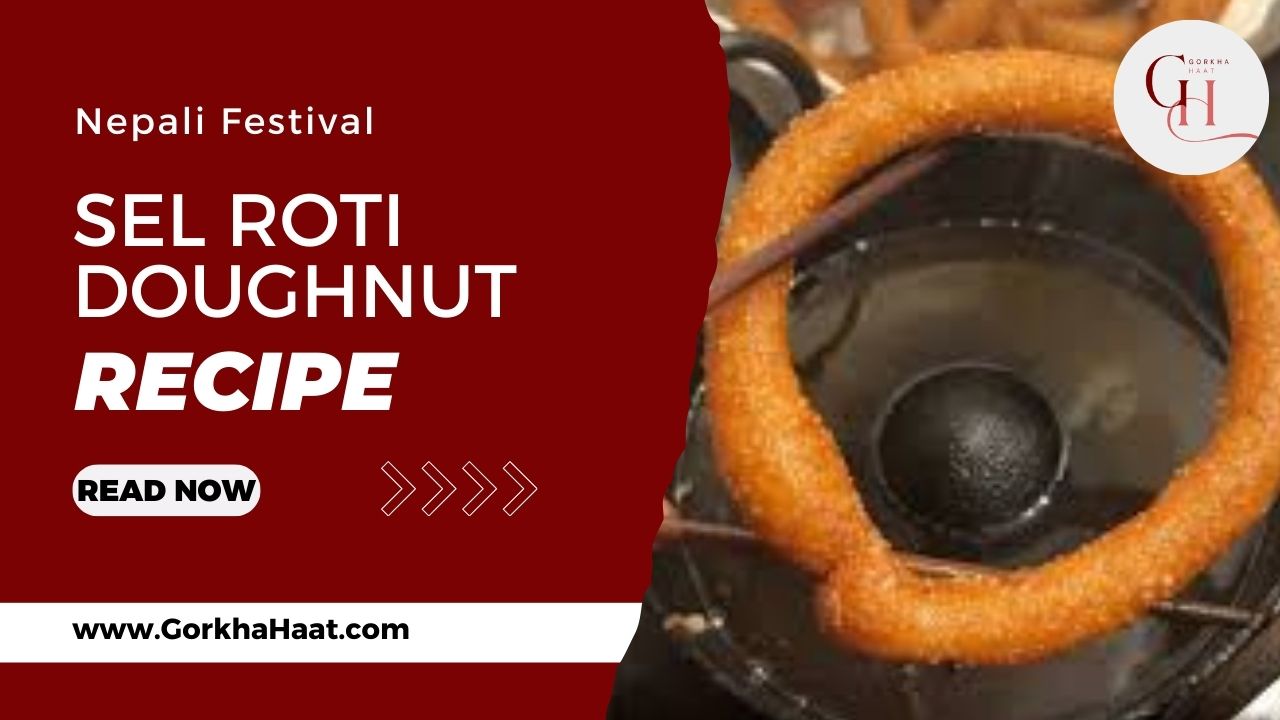
Sel Roti: Darjeeling’s Iconic Rice Doughnut – Recipe, Festivals, and Cultural Legacy
In the misty hills of Darjeeling, where the aroma of freshly plucked tea leaves mingles with woodsmoke from kitchen chullahs, one golden, crispy ring reigns supreme: Sel Roti.
Ask any Gorkha-Nepali family from Gorkha Haat to Lebong, from Kalimpong to Mirik, and they’ll tell you—Sel Roti is not just food. It is emotion. It is celebration. It is the taste of home, of Dashain mornings, Tihar evenings, weddings, Teej feasts, and every moment worth marking with sweetness and joy.
At Gorkha Haat, our stalls overflow with piping-hot Sel Roti during festival seasons, made by aunties who have perfected the art over decades. One bite of that crisp exterior giving way to a soft, aromatic interior—flavored with cardamom, clove, and banana—and you understand why this humble rice doughnut is the undisputed king of Nepali festive cuisine across the hills.
Origins and Cultural Significance of Sel Roti in Darjeeling
Sel Roti traces its roots to the ancient rice-growing cultures of the Himalayas and Nepal’s eastern hills. The name comes from “Sel” (puffed rice or simply rice in some dialects) and “Roti” (bread), though it is neither flat nor made from wheat. It is believed to have originated centuries ago among the Kirati, Rai, Limbu, and later Tamang-Gurung communities before becoming universal across all Nepali-speaking groups.
In Darjeeling, where families migrated from Nepal’s Gorkha, Ilam, Dhankuta, and Taplejung districts during the British era, Sel Roti arrived as a piece of home soil. Today, it is inseparable from identity. No Dashain tika is complete without a ring of Sel Roti on the puja thali. No wedding feast ends without stacks of it. During Teej, men wake up at 4 a.m. to fry hundreds for their fasting wives and sisters on Dar Khane Din. At Lhosar, it is offered to ancestors alongside khapse biscuits.
Sel Roti is more than food—it is a symbol of abundance, purity, and auspiciousness. Its perfect circle represents eternity and the cycle of life. Its golden color mirrors prosperity. And the fact that it is deep-fried in pure ghee (never oil, in traditional homes) elevates it to sacred status.
When Do We Eat Sel Roti in Darjeeling?
Dashain & Tihar (September–November) – Peak season; every home makes hundreds.
Teej (August–September) – Men’s special duty for Dar Khane Din.
Lhosar (December–February) – Served with tea and meat curries.
Weddings & Bratabandha (sacred thread ceremony) – Mandatory in every course.
Chhath Puja & Maghe Sankranti – Offered as prasad.
Housewarmings, baby rice-feeding ceremonies, and funerals (as a gesture of continuity).
At Gorkha Haat, you can buy fresh Sel Roti 365 days a year, but during Dashain–Tihar, production runs 24/7.
Authentic Darjeeling-Style Sel Roti Recipe (Makes ~25–30 pieces)
Ingredients
2 cups raw rice (preferably aromatic red rice or local kalo numal)
1 cup ripe banana (overripe is best – gives natural sweetness and softness)
¾–1 cup sugar (adjust to taste)
½ cup ghee (plus 1 liter more for deep frying)
¼ cup grated fresh coconut (optional but recommended)
1 tsp cardamom powder
½ tsp clove powder (optional)
¼ cup cashews or almonds (broken, optional)
½ tsp fennel seeds (lightly crushed, optional)
A pinch of salt
Water or milk as needed
Equipment Needed
Silauto (traditional grinding stone) or heavy-duty mixer grinder
Deep kadai or wok
Long wooden sel roti stick or two spoons
Step-by-Step Method
Soak the Rice Wash rice thoroughly, then soak in water for 5–6 hours (or overnight).
Grind the Batter Drain the rice completely. In small batches, grind with banana, sugar, ghee, coconut, and just enough water/milk to make a thick, pouring-consistency batter. The secret: grind until extremely smooth—no grittiness at all. Traditional families still use the silauto for unmatched texture.
Flavor & Rest Add cardamom, clove, fennel, salt, and nuts. Mix well. Let the batter rest for 30 minutes to 2 hours (longer rest = better fermentation and crispiness).
Heat the Ghee In a deep, wide kadai, heat ghee on medium flame. Test temperature: a tiny drop of batter should rise immediately with bubbles.
Shape the Sel Roti Dip your hand in water, take a handful of batter, and gently pour in a thin, continuous circle into the hot ghee. Use two spoons if you’re a beginner. The ring should be thin and even.
Fry to Perfection Fry until golden brown on both sides (about 2–3 minutes per side). Flip carefully with a slotted spoon. The edges should be crisp and lacy.
Drain & Cool Remove and drain on paper or wire rack. Sel Roti tastes best when slightly cooled but still warm.
Pro Tips from Gorkha Haat Aunties
Never compromise on ghee—oil makes it hard and less flavorful.
Use overripe Darjeeling hill bananas for natural sweetness.
The batter should flow like cake batter—not too thin, not too thick.
Keep the ghee temperature medium—too hot = burnt outside, raw inside.
Store in airtight containers; stays fresh for 7–10 days.
Variations Across Darjeeling Communities
Tamang style: Slightly thicker, more banana, less sugar.
Rai/Limbu style: Sometimes mixed with ground black lentil for extra crisp.
Newar influence (in Kalimpong): Smaller, bite-sized “sel” with fennel.
Modern twist at Gorkha Haat cafés: Chocolate-dipped or cinnamon-sugar Sel Roti!
Health Benefits (Yes, Really!)
While deep-fried, Sel Roti made in ghee and eaten in moderation offers:
Rice + banana = sustained energy and easy digestion
Ghee = healthy fats and fat-soluble vitamins
Cardamom & clove = digestive and anti-inflammatory
Fermented batter = probiotic benefits
Perfect winter food for high-altitude living.
Where to Taste the Best Sel Roti in Darjeeling
Gorkha Haat morning stalls (6 a.m. – 10 a.m. daily)
Keventer’s rooftop (serves with masala tea)
Sonam’s Kitchen in Kalimpong
Homestays in Takdah, Tinchuley, and Mineral Spring during Dashain
Conclusion
Sel Roti is the golden thread that ties every celebration, every memory, and every generation of Darjeeling’s Gorkha-Nepali community together. From the hands of grandmothers who learned the recipe in Nepal’s Gorkha village to the young brides frying their first batch at 3 a.m. for Teej, this simple rice ring carries the weight of love, tradition, and identity.
When you bite into a warm Sel Roti at Gorkha Haat, surrounded by misty hills and the laughter of festival-goers, you are not just eating a doughnut—you are tasting centuries of Himalayan resilience, joy, and unbreakable cultural spirit.
Make it at home. Share it with family. And keep the legacy of Darjeeling’s favorite festive treat alive.

Gorkha Haat Team
We share stories of authentic Nepali heritage, food, culture, and local markets.
Related Posts
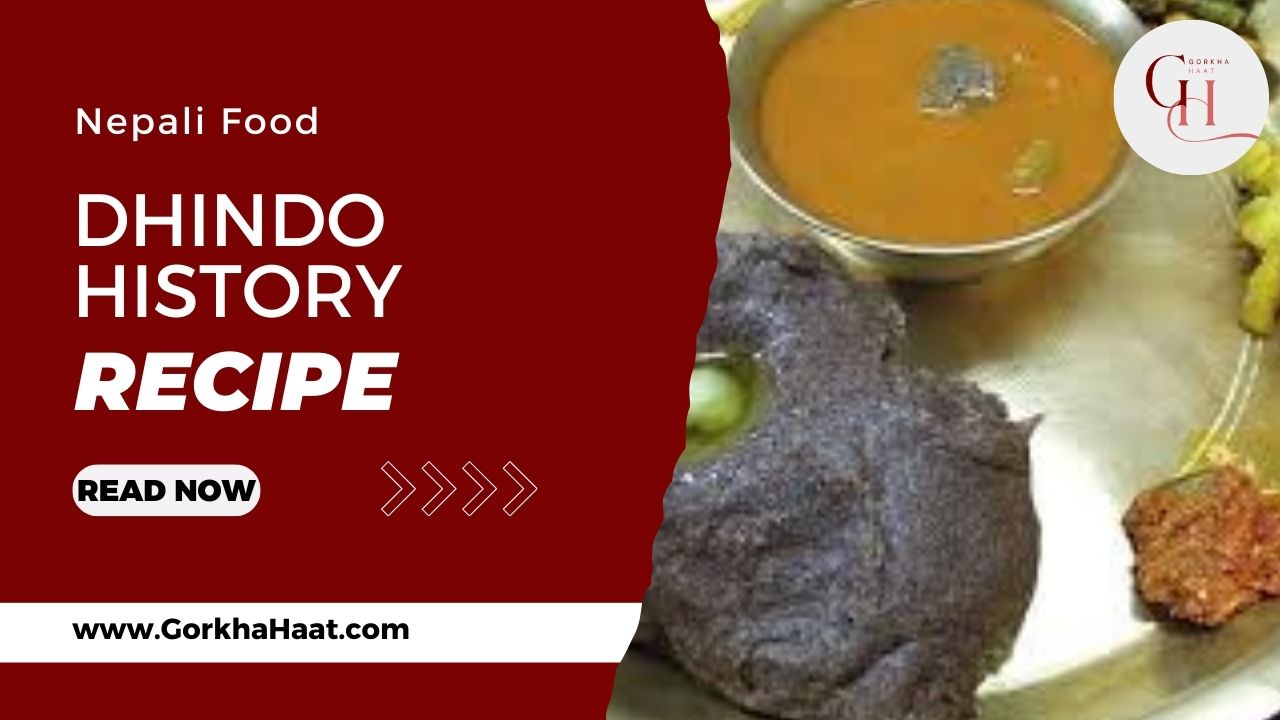
Nepali Food Dhindo Recipe: Authentic Darjeeling Himalayan Staple Food with Gundruk & Sisnu | Gorkha Haat
Dhindo is a traditional Nepali staple made from buckwheat, millet, or maize flour. Rich in history, nutrition, and cultural significance, it remains one of Nepal’s most beloved Himalayan foods. Learn its origins, preparation, benefits, and why it continues to be a national favorite.
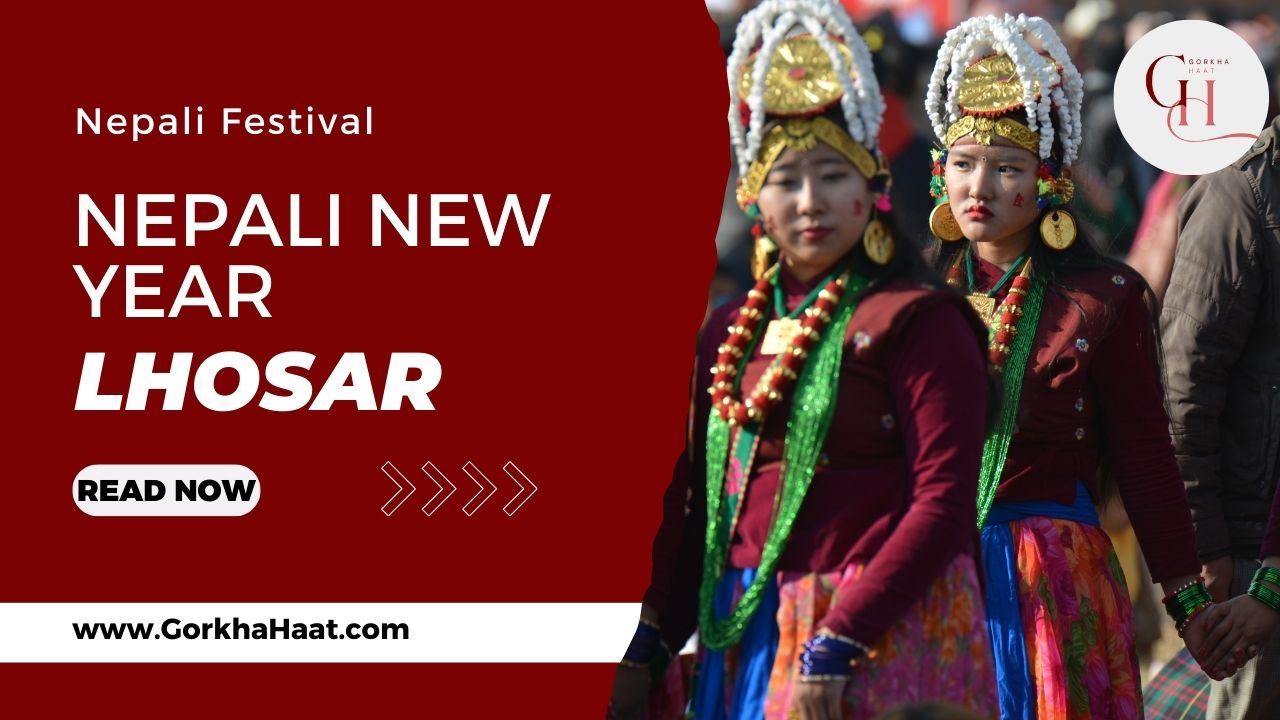
Lhosar 2026 Darjeeling: Tamang, Gurung & Sherpa New Year Celebrations | Gorkha Haat
Lhosar, the Nepali New Year, is celebrated with rituals, prayers, traditional foods, and cultural performances. Discover the significance, customs, and celebrations of Lhosar across Nepalese communities.
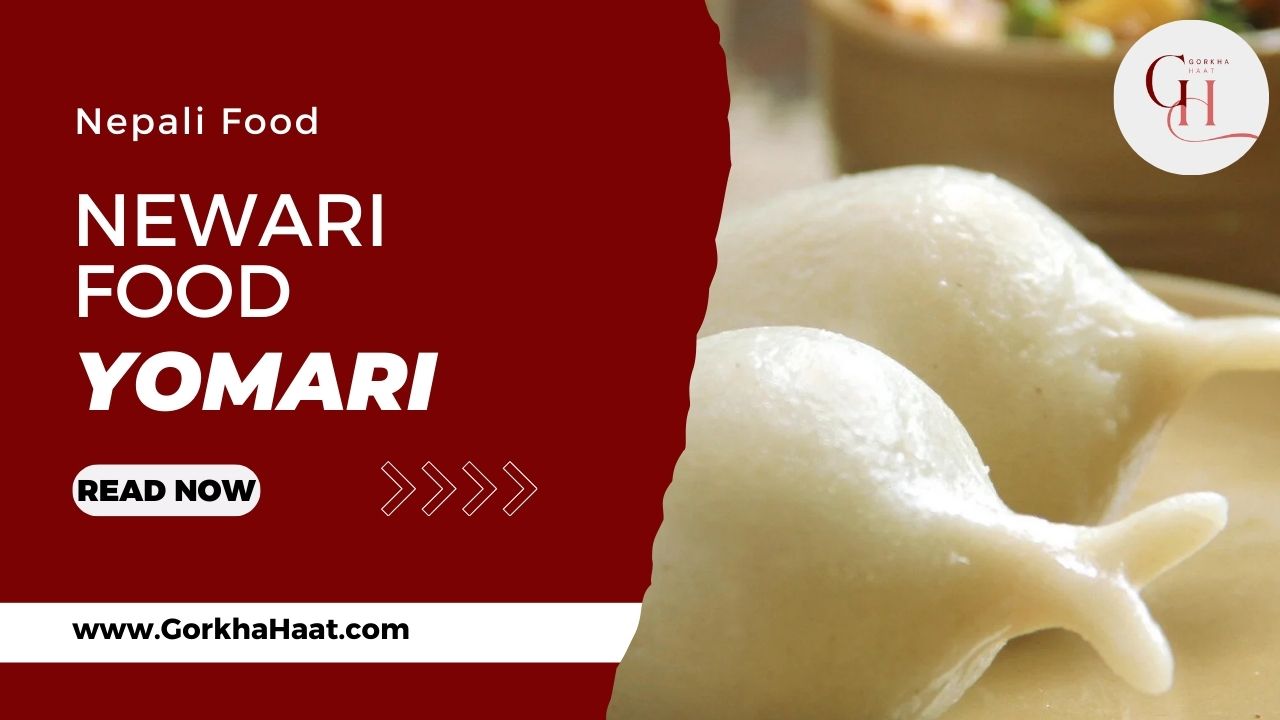
Newari Food Yomari Punhi 2025 Darjeeling: Authentic Newa Sweet Dumpling Recipe & Festival | Gorkha Haat
Yomari is a traditional Newa steamed dumpling filled with chaku, sesame, or khuwa. Celebrated especially during Yomari Punhi, it symbolizes prosperity, good harvest, and cultural heritage. Discover its history, preparation, variations, and cultural significance.
Comments
User Name
This is an example comment. Users can leave feedback here.