Nepali Food Dhindo Recipe: Authentic Darjeeling Himalayan Staple Food with Gundruk & Sisnu | Gorkha Haat
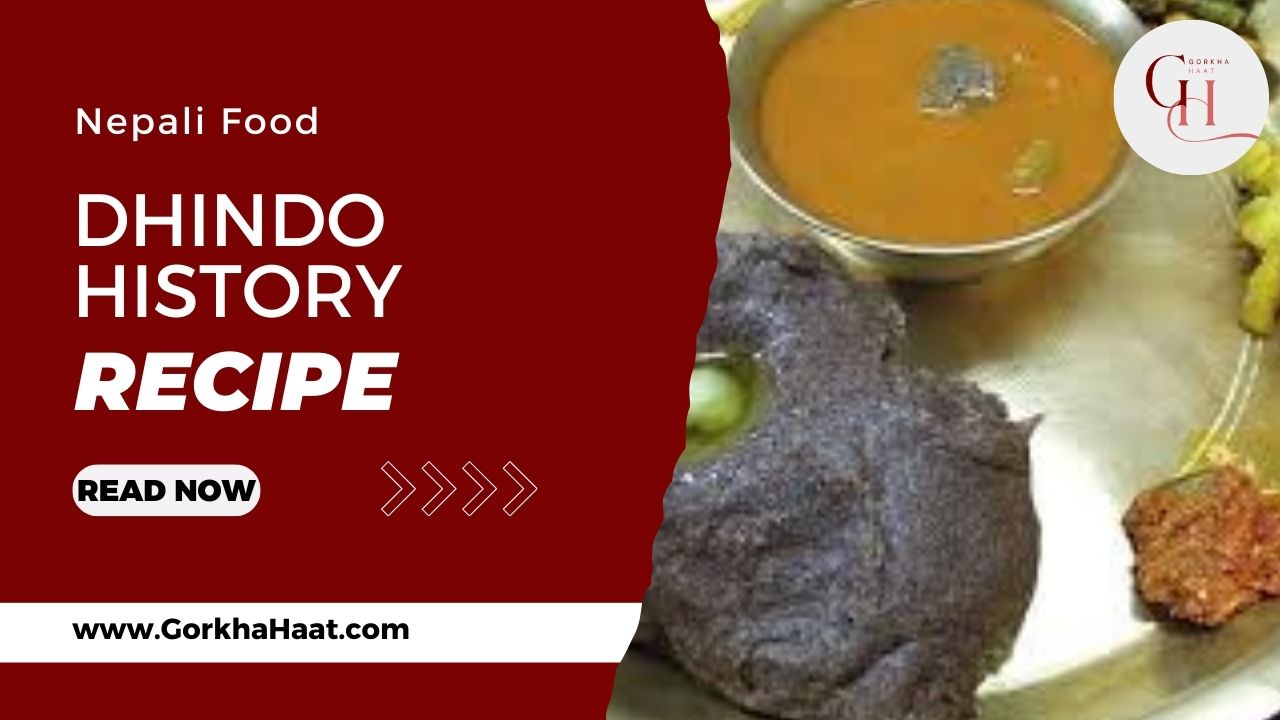
Dhindo: Darjeeling’s Soul Food – The Humble Power Meal of the Hills
In the high, terraced villages of Darjeeling, Kalimpong, and the winding roads around Gorkha Haat, when the winter fog rolls in and the evening fire crackles, one sound is unmistakable: the rhythmic “thuk-thuk-thuk” of the wooden dabilo stirring a bubbling iron karai.
That sound means Dhindo is being born.
For every Gorkha-Nepali family in the hills—from Tamang homes in Takdah to Gurung kitchens in Lebong, from Rai settlements in Pedong to Magar hearths in Mirik—Dhindo is far more than food. It is warmth on a freezing January night. It is the fuel that powered generations of tea-plantation workers. It is the taste of childhood, of grandmother’s hands, of homecomings after years away.
At Gorkha Haat, we proudly serve steaming plates of Dhindo with sisnu ko jhol and ghee every single day, because here in the hills, Dhindo is not just eaten—it is lived.
What Exactly Is Dhindo?
Dhindo (ढिँडो) is a thick, smooth, porridge-like staple made by slowly pouring local grain flour into boiling water and stirring continuously with a wooden spatula until it forms a glossy, stretchy dough that pulls away from the pan.
It is eaten hot, torn into bite-sized pieces with the fingers, and paired with intensely flavorful curries, soups, pickles, and a generous dollop of homemade ghee.
The classic flours used in Darjeeling are:
Fapar ko pitho (bitter buckwheat) – deep purple-brown, nutty, gluten-free
Kodo ko pitho (finger millet) – reddish, earthy, mineral-rich
Makai ko pitho (maize/corn) – golden, slightly sweet
Sometimes mixed with juwano (wild millet) or chinne (oat-like grain)
These grains grow on the steep, rocky slopes where rice struggles, making Dhindo the perfect high-altitude, cold-climate food.
Historical Roots: Why Dhindo Became the Strength of the Hills
Long before subsidised rice reached the remote villages, Dhindo was the daily bread of Himalayan people.
Our great-grandparents who cleared jungles to plant tea gardens in the 1800s carried Dhindo in bamboo containers to work. Shepherds grazing sheep above 8,000 feet survived weeks on Dhindo and dried meat. Soldiers of the legendary Gorkha regiments marched with sacks of kodoko pitho because a fistful could make a meal that kept them strong for hours.
Even today, many elderly in Darjeeling say, “Bhat khayo bhane shakti audaina, Dhindo khayo bhane dinbhar kaam lagne” – “Rice gives a full stomach, but Dhindo gives strength for the whole day.”
Authentic Darjeeling-Style Dhindo Recipe (Serves 4–5)
Ingredients
2 cups fapar ko pitho (buckwheat) OR kodo ko pitho (finger millet) OR a 50-50 mix
5–6 cups water (ratio is roughly 1:3 flour to water)
1 tsp salt (optional)
1–2 tbsp ghee (for finishing)
Traditional Equipment
Heavy iron karai or deep non-stick pan
Dabilo (long wooden stirring spatula) – available at Gorkha Haat
Firewood or gas stove
Step-by-Step Method
Boil the Water Bring 5 cups of water to a rolling boil in the karai. Add salt if desired.
Lower the Flame & Start Adding Flour Reduce heat to medium-low. With your left hand, slowly sprinkle flour into the water while your right hand stirs continuously in a clockwise motion. Never stop stirring—lumps are the enemy!
Keep Stirring Hard As the mixture thickens, switch to forceful, rhythmic strokes. The Dhindo will start pulling away from the sides and form a shiny, elastic mass. This takes 8–12 minutes of real arm workout.
Final Stage – “Gholne” Add the remaining flour little by little. When the Dhindo becomes so thick that the dabilo stands upright on its own, add 1–2 tbsp ghee, give 10–15 final strong stirs, and cover for 2 minutes.
Serve Immediately Invert the karai onto a plate or thali. The Dhindo will come out as a perfect dome. Slice or tear into pieces and serve piping hot.
Pro Tips from Gorkha Haat Grandmothers
Use hot water to wet your hands while tearing—it prevents sticking.
Firewood smoke gives unbeatable flavor; even a small piece of pine wood changes everything.
Never reheat leftover Dhindo—it becomes rubbery. Instead, slice cold Dhindo and lightly fry in ghee the next morning.
The Perfect Dhindo Companions from Darjeeling Hills
Dhindo is deliberately bland so the sides can shine. Classic combinations:
Gundruk ra sisnu ko jhol – fermented greens + stinging nettle soup
Local chicken or mutton curry with timbur (Sichuan pepper)
Buffalo meat sukuti ra alu dam
Fresh rayo ko saag (mustard greens) tarkari
Golbheda-farsi ko achar (tomato-bean pickle)
Homemade ghee or clarified butter from yak/cow milk
Warm milk or curd on the side for children and elders
Health & Nutrition: Why Dhindo Is a Himalayan Superfood
100 % whole grain, zero processing
Naturally gluten-free (buckwheat & millet versions)
Extremely high in fiber → excellent for digestion and blood sugar control
Rich in iron, magnesium, zinc, and B-vitamins → fights high-altitude anemia
Low glycemic index → sustained energy for hours
Warming and easy to digest → perfect for cold climates
When paired with gundruk and sisnu, it becomes a complete probiotic + micronutrient meal
No wonder many Darjeeling marathon runners and porters still rely on Dhindo the night before a big trek!
Dhindo in Modern Darjeeling Culture
Once seen as “poor man’s food,” Dhindo has made a triumphant comeback:
Trendy restaurants like “Sonam’s Kitchen,” “Kunga,” and “The Blue Poppy” serve designer Dhindo plates.
Homestays in Tinchuley, Lamahatta, and Sittong advertise “authentic Dhindo dinner” to tourists.
During Dashain, Lhosar, and weddings, serving Dhindo is a mark of pride in roots.
Young chefs are experimenting: Dhindo pizza base, Dhindo gnocchi, Dhindo brownies!
At Gorkha Haat, we run Dhindo-making workshops every Saturday—tourists and local kids learn side by side from 80-year-old grandmothers.
Cultural Meaning: What Dhindo Really Represents
In Darjeeling’s Gorkha-Nepali heart, Dhindo stands for:
Resilience – the food that kept our ancestors alive in the harshest conditions
Equality – rich or poor, everyone ate Dhindo
Connection to the soil – every grain is grown by our own farmers
Family – the act of one person stirring while others add flour is pure togetherness
Identity – when someone far away smells firewood-cooked Dhindo, they instantly say, “This is home.”
Conclusion
Dhindo is not gourmet. It is not flashy. It does not need filters or hashtags.
But when you sit on the floor of a mud-walled kitchen in Mineral Spring, tear off a hot piece of fapar ko Dhindo, dip it into sisnu ko jhol, and feel strength flowing into your tired body while Kanchenjunga glows outside the window—you understand.
This is the taste of the Himalayas.
This is the taste of unbreakable spirit.
This is the taste of Darjeeling.
Come to Gorkha Haat. Let us serve you a plate.
One bite, and you’ll carry the hills in your heart forever.
Gorkha Haat Team
We share stories of authentic Nepali heritage, food, culture, and local markets.
Related Posts

Momo in Darjeeling: History, Recipes & Cultural Spread Across Hills, Nepal & India | Gorkha Haat
Explore Momo's origins from Tibet to Darjeeling, Kurseong, Kalimpong & Sikkim—now famous across India. Discover traditional recipes, variations, and cultural significance at Gorkha Haat.
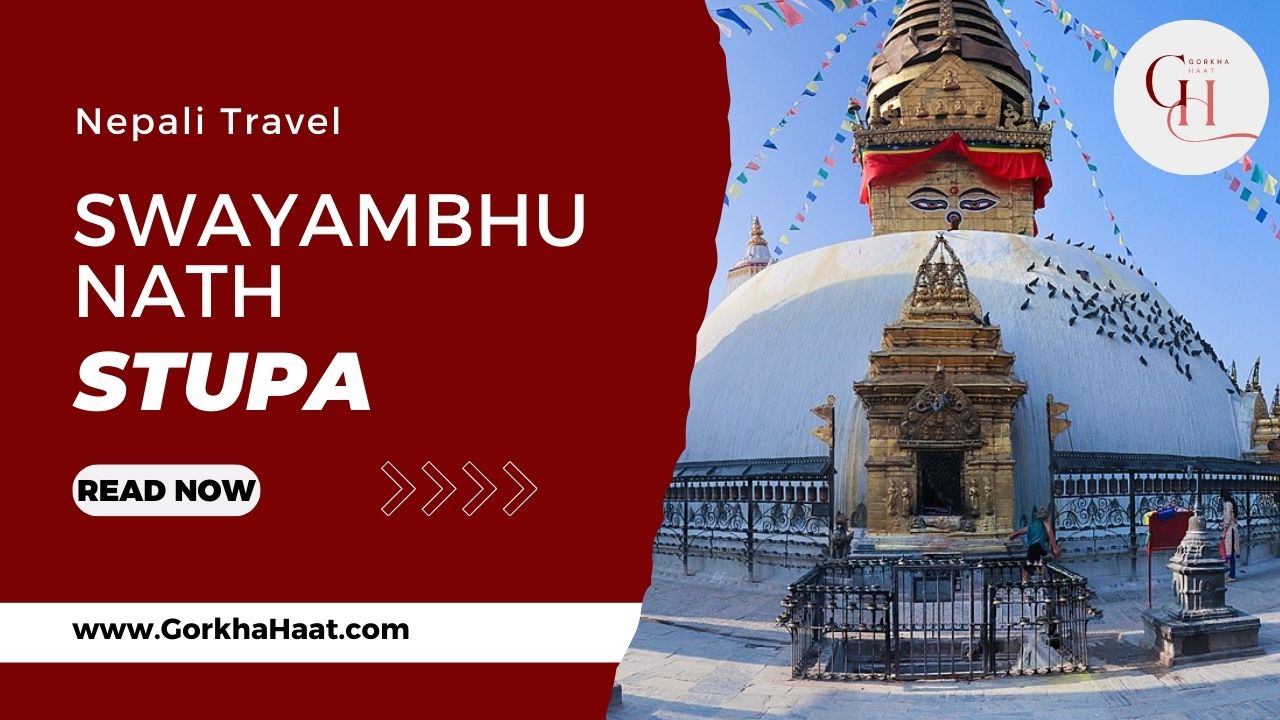
Swayambhu (Swayambhunath) Stupa: History, Legends, Architecture & Spiritual Guide
Swayambhu (Swayambhunath) Stupa is one of Nepal’s oldest and most sacred Buddhist monuments. Known for its serene hilltop setting, iconic Buddha eyes, and rich spiritual history, it remains a powerful symbol of enlightenment, peace, and cultural harmony in the Kathmandu Valley.
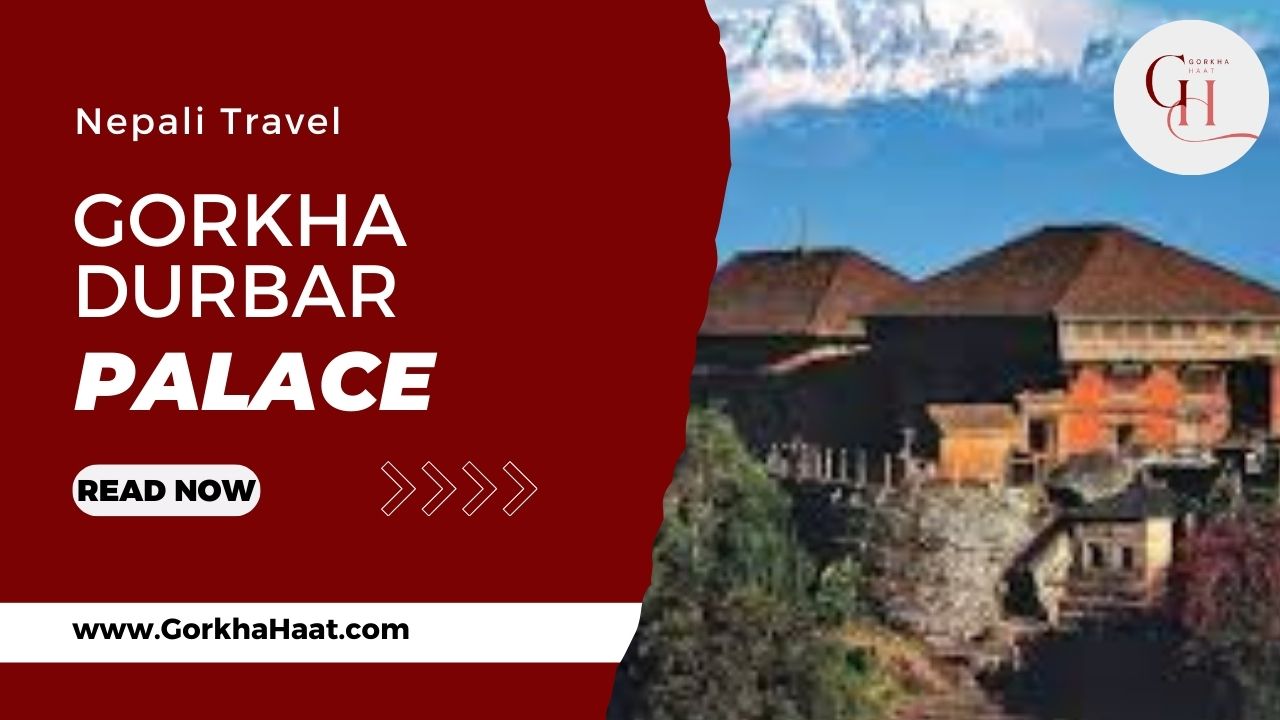
Gorkha Durbar: History, Architecture & Heritage Significance of Nepal’s Iconic Hilltop Palace
Gorkha Durbar is a historic hilltop palace known as the birthplace of Nepal’s unification. Blending Newa craftsmanship, temples, and panoramic Himalayan views, it remains one of Nepal’s most culturally significant heritage sites.
Comments
User Name
This is an example comment. Users can leave feedback here.