Maghe Sankranti in Darjeeling: Rituals, Foods, Significance & Nepali Traditions | Gorkha Haat
Maghe Sankranti: Embracing Harvest, Renewal, and Nepali Heritage in Darjeeling
Maghe Sankranti stands as a radiant beacon of hope and rejuvenation in the lives of Nepali communities across Darjeeling, where the crisp Himalayan air and lush tea gardens provide a stunning backdrop to this age-old celebration. Observed with fervent enthusiasm in locales like Gorkha Haat and the surrounding hill towns, this festival heralds the Sun's entry into the Capricorn zodiac (Makara), signaling longer days, warmer prospects, and the promise of new beginnings. Rooted deeply in Hindu traditions yet vibrantly adapted to the local ethos of Darjeeling, Maghe Sankranti is more than a mere seasonal marker—it's a profound tapestry of spiritual rituals, delectable feasts, communal harmony, and cultural preservation that binds families and neighbors in joyous unity.
In Darjeeling, where Nepali-speaking Gorkhas form a significant part of the population, Maghe Sankranti resonates with the same fervor as in Nepal's heartlands, including the historic Gorkha district. The festival's essence—gratitude for nature's gifts, reverence for the divine, and a collective embrace of prosperity—transcends borders, fostering a shared identity among the diaspora. At Gorkha Haat, our hub for authentic Nepali crafts and traditions, we witness this festival come alive through vibrant markets brimming with seasonal treats, echoing folk songs, and gatherings that reflect the enduring spirit of the hills. As the winter chill begins to wane, Maghe Sankranti invites everyone to pause, reflect, and celebrate the cyclical beauty of life, making it an indispensable part of Darjeeling's cultural calendar.
Origin and Significance of Maghe Sankranti
The origins of Maghe Sankranti delve deep into ancient Hindu cosmology and mythology, where the Sun God, Surya, is revered as the supreme source of light, energy, and life itself. According to Vedic scriptures such as the Rigveda and Puranas, the Sun's northward migration, or Uttarayana, marks a pivotal astronomical event around mid-January, symbolizing the victory of positivity over negativity, knowledge over ignorance, and growth over stagnation. This transition is believed to open doors to spiritual enlightenment and material abundance, with the Sun's rays invigorating the earth after the harsh winter solstice.
In the context of Nepali traditions, which are seamlessly woven into Darjeeling's cultural fabric due to historical migrations and shared ethnic ties, Maghe Sankranti holds multifaceted significance. It commemorates the harvest's culmination, a time when farmers in the terraced fields of Darjeeling's hills give thanks for bountiful yields of rice, maize, and millet. Spiritually, it's a period for soul purification, where acts of devotion are thought to absolve past sins and pave the way for auspicious endeavors. Legends abound, such as the tale from the Mahabharata where Bhishma Pitamah chose this auspicious day to depart from the mortal world, underscoring its sanctity for life transitions.
For Darjeeling's Nepali communities, the festival's importance is amplified by the region's unique geography. The high-altitude environment, with its foggy mornings and clear vistas of snow-capped peaks like Kanchenjunga, adds a mystical layer to the celebrations. Here, Maghe Sankranti isn't just about astronomical shifts; it's a reminder of resilience amid the hills' challenging terrain. Families at Gorkha Haat often recount stories of ancestors who brought these traditions from Nepal's Gorkha region during the British colonial era, when Gorkha soldiers and tea plantation workers settled in Darjeeling. This historical continuity ensures that the festival remains a bridge between past and present, fostering a sense of belonging and cultural pride.
Moreover, the significance extends to social and economic realms. In Darjeeling, where agriculture and tea cultivation are lifelines, Maghe Sankranti signals the end of the harvest cycle and the start of preparations for spring planting. It's a time for reflection on the year's labors, sharing surpluses with the less fortunate, and invoking blessings for fertility and prosperity. The festival's emphasis on health and longevity aligns with Ayurvedic principles, where the consumption of warming foods combats the winter's cold, promoting holistic well-being. In essence, Maghe Sankranti encapsulates the harmonious interplay of nature, divinity, and human endeavor, making it a cornerstone of spiritual and communal life in Darjeeling.
Traditional Rituals of Maghe Sankranti
The rituals of Maghe Sankranti are a symphony of devotion, simplicity, and symbolism, performed with meticulous care over the course of the day. In Darjeeling, these practices are adapted to the local landscape, incorporating elements like the region's rivers and community spaces, while preserving the core traditions inherited from Nepal.
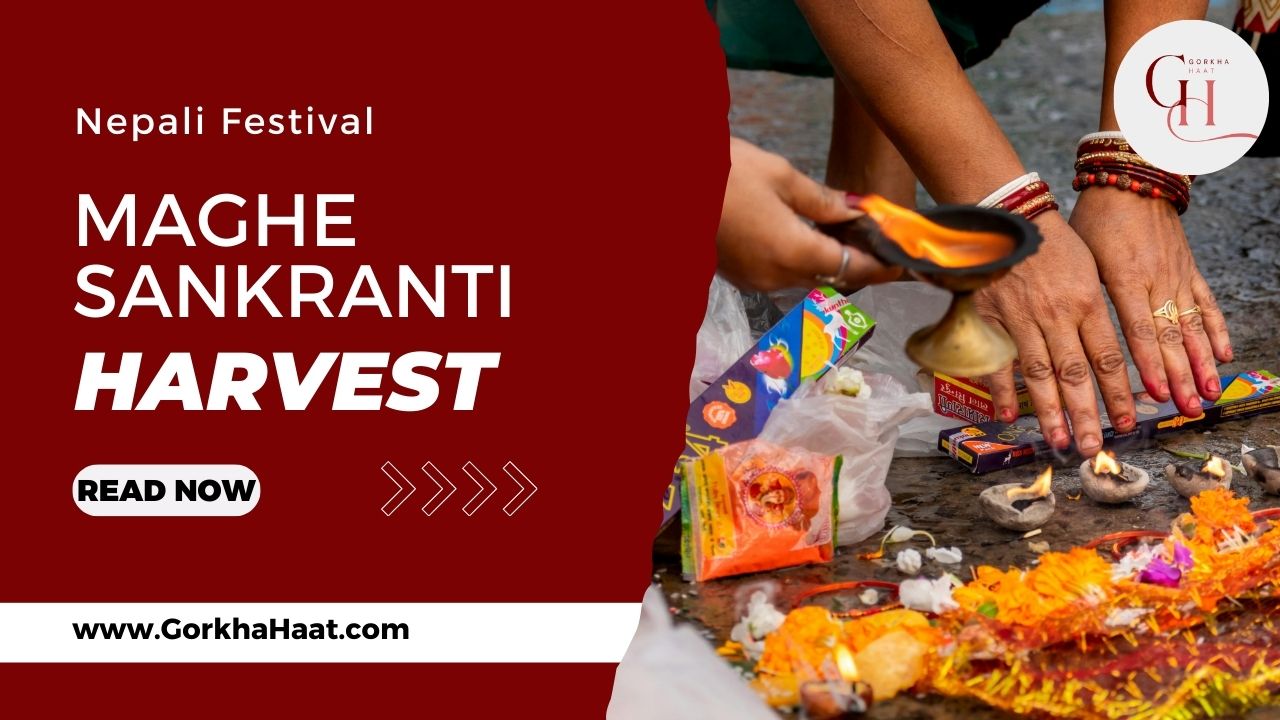
Holy Bath (Snan) The day commences at dawn with the sacred Snan, a ritual immersion in holy waters that signifies purification of body, mind, and soul. Devotees in Darjeeling flock to rivers such as the Teesta or Rangeet, or even local springs and ponds nestled amid tea estates, to perform this act. The chilly waters, often sourced from Himalayan glaciers, are believed to wash away accumulated karma and invigorate the spirit for the year ahead. Accompanied by chants of mantras like the Gayatri Mantra, this ritual draws crowds at popular spots near Gorkha Haat, where the misty morning air enhances the sense of renewal. For those unable to reach natural water bodies, a symbolic bath at home with water infused with holy basil or sesame seeds suffices, maintaining the tradition's accessibility.
Worship of Sun God (Surya Dev) Following the bath, the focus shifts to honoring Surya Dev through Arghya, the offering of water and prayers at sunrise. In Darjeeling's elevated terrains, worshippers often ascend to open hilltops or terraces overlooking the valleys to catch the first rays of the sun piercing through the clouds. Oil lamps (diyas) are lit, and offerings of sesame seeds, jaggery, and fruits are made while reciting hymns from ancient texts. This act symbolizes gratitude for the Sun's life-sustaining energy, especially poignant in a region where sunlight dictates agricultural cycles. At Gorkha Haat, community altars are set up, allowing collective worship that strengthens social bonds and instills a shared sense of devotion.
Feasting on Traditional Foods No Maghe Sankranti is complete without the array of nutritious, warming delicacies that form the festival's culinary heart. Families gather to prepare and savor items like til ko laddu (sweet balls made from sesame seeds and jaggery), chiura (beaten rice), ghee-laden yam or tarul (root vegetables), bhatmas (roasted soybeans), and khichdi (a mix of rice and lentils). These foods are not only delicious but also medicinally potent—sesame seeds provide essential oils for joint health, ghee offers digestive benefits, and lentils supply protein for vitality. In Darjeeling, local twists include incorporating organic tea leaves into sweets or using hill-grown millets for added nutrition. The preparation is a communal affair, with elders teaching younger generations recipes passed down through centuries, ensuring cultural continuity. Sharing these meals, often as prasad (blessed food), extends to neighbors and visitors, embodying the festival's spirit of generosity.
Community Gatherings and Cultural Activities The afternoon and evening buzz with social vibrancy, as communities organize melas (fairs), folk performances, and games. In Darjeeling's villages around Gorkha Haat, you'll find groups performing traditional dances like the Maruni or Kauda, accompanied by madal drums and sarangi strings. Storytelling sessions recount myths of Surya and his consort, while children fly kites symbolizing aspirations soaring high. Charitable acts, such as donating food or clothing to the needy, are common, reflecting the festival's emphasis on dharma (righteousness). These gatherings also serve as platforms for cultural exchange, where Nepali traditions blend with influences from Bengali and Tibetan communities in Darjeeling, creating a unique multicultural flair.
Beyond these core rituals, variations exist based on sub-ethnic groups. For instance, the Tharu community, with roots in Nepal's Terai but present in Darjeeling's foothills, incorporates shamanistic elements like spirit invocations, while Gurung and Magar families emphasize ancestral worship. Overall, the rituals foster discipline, mindfulness, and a deep connection to the cosmos, making Maghe Sankranti a holistic experience.
Cultural Importance in Darjeeling and Gorkha Haat
In Darjeeling, Maghe Sankranti transcends its religious origins to become a vibrant emblem of cultural identity and communal resilience. The festival's roots in Nepal's Gorkha district—famous as the homeland of the legendary Gorkha warriors—find a parallel home here, where the Gorkha community has flourished since the 19th century. At Gorkha Haat, we curate spaces that amplify this heritage, hosting events that showcase artisanal crafts, traditional attire like the daura suruwal for men and gunyu cholo for women, and folk art that narrates tales of harvest and divinity.
Culturally, Maghe Sankranti reinforces social cohesion in a region marked by diverse ethnicities. It brings together families scattered by urban migrations, allowing them to reconnect over shared rituals and stories. The festival's timing, post-harvest, aligns with Darjeeling's tea plucking seasons, where workers from estates celebrate with impromptu feasts, blending labor songs with devotional bhajans. This integration highlights the festival's role in preserving intangible heritage, as UNESCO-recognized elements like Nepali folk music gain prominence.
Environmentally, Maghe Sankranti promotes sustainability. Rituals by riverbanks encourage communities to clean and protect water sources, echoing Darjeeling's ongoing efforts against pollution in rivers like the Teesta. The use of natural, biodegradable offerings—sesame, jaggery, and leaves—aligns with eco-friendly practices, educating younger generations on harmonious living with nature. In an era of climate change affecting Himalayan agriculture, the festival's gratitude for bounties serves as a call to action for conservation.
Furthermore, Maghe Sankranti's cultural import extends to gender dynamics and inclusivity. Women play pivotal roles in food preparation and rituals, empowering them as custodians of tradition. In modern Darjeeling, youth-led initiatives at places like Gorkha Haat incorporate contemporary twists, such as eco-fairs or social media campaigns, to keep the festival relevant. This evolution ensures that Maghe Sankranti remains a living tradition, adapting while honoring its essence.
Health and Wellness Aspects of Maghe Sankranti
Maghe Sankranti's rituals and foods are intrinsically linked to Ayurvedic wellness, offering benefits that resonate in Darjeeling's high-altitude climate. The holy bath, for instance, stimulates circulation and detoxifies through cold exposure, akin to hydrotherapy. Sun worship exposes devotees to vitamin D, crucial for bone health in sun-scarce winters.
The festival's cuisine is a nutritional powerhouse. Til (sesame) seeds, rich in calcium, magnesium, and antioxidants, bolster immunity and combat seasonal ailments. Jaggery, a natural sweetener, provides iron and aids detoxification. Ghee, clarified butter, lubricates joints and enhances digestion, while soybeans and lentils offer plant-based proteins for muscle repair. Root vegetables like tarul supply complex carbs for sustained energy.
Fasting elements promote intermittent cleansing, improving metabolic health. Mentally, the communal aspects reduce stress, fostering mindfulness through prayers and gatherings. In Darjeeling, where respiratory issues from altitude are common, these practices—combined with herbal infusions—support overall vitality.
To delve deeper, consider simple recipes: For til ko laddu, roast sesame seeds, mix with melted jaggery, and shape into balls— a snack packed with 150 calories per piece, ideal for energy boosts. Such foods not only nourish but also connect eaters to ancestral wisdom.
Tips for Observing Maghe Sankranti in Darjeeling
Embracing Maghe Sankranti fully requires preparation and mindfulness, tailored to Darjeeling's unique setting:
Plan Your Rituals Early: Wake before dawn for the Snan; check weather apps for safe river access amid potential fog.
Source Authentic Ingredients: Visit markets like Gorkha Haat for organic sesame, jaggery, and local produce to ensure purity.
Incorporate Family Traditions: Involve children in food prep to pass on customs; document stories for cultural preservation.
Prioritize Safety and Sustainability: Use eco-friendly items for offerings; avoid littering water bodies to honor nature.
Dress Appropriately: Wear warm, traditional clothing like woolen shawls over ethnic attire to brave the hill chill.
Engage Community: Join local events at Gorkha Haat for dances and fairs; donate to charities for karmic benefits.
Health Considerations: Consult doctors if fasting; hydrate well in dry mountain air.
Modern Twists: Share celebrations online to connect with global Nepali diaspora, blending tradition with technology.
Conclusion
Maghe Sankranti illuminates the soul of Darjeeling's Nepali communities, weaving threads of spirituality, culture, and renewal into a festival of profound depth. From the purifying waters of local rivers to the warmth of shared feasts at Gorkha Haat, it honors the Sun God's benevolence while celebrating harvest triumphs and communal bonds. As a symbol of resilience and harmony, it bridges historical legacies from Nepal's Gorkha with Darjeeling's vibrant present, inviting all to embrace new beginnings with gratitude and joy. By immersing in its rituals, one not only experiences the richness of Nepali heritage but also fosters a deeper connection to nature, health, and humanity—ensuring this timeless celebration endures for generations.

Gorkha Haat Team
We share stories of authentic Nepali heritage, food, culture, and local markets.
Related Posts

Chatamari Recipe: Authentic Newa Rice Crepe “Nepali Pizza” from Darjeeling & Kalimpong | Gorkha Haat
Discover Chatamari—the crispy Newari rice crepe topped with meat, egg & spices. Explore origins, traditional recipe, cultural role in Darjeeling's Newa community, and best spots at Gorkha Haat.
Bhaktapur Durbar Square: History, Temples & Complete Travel Guide (2026)
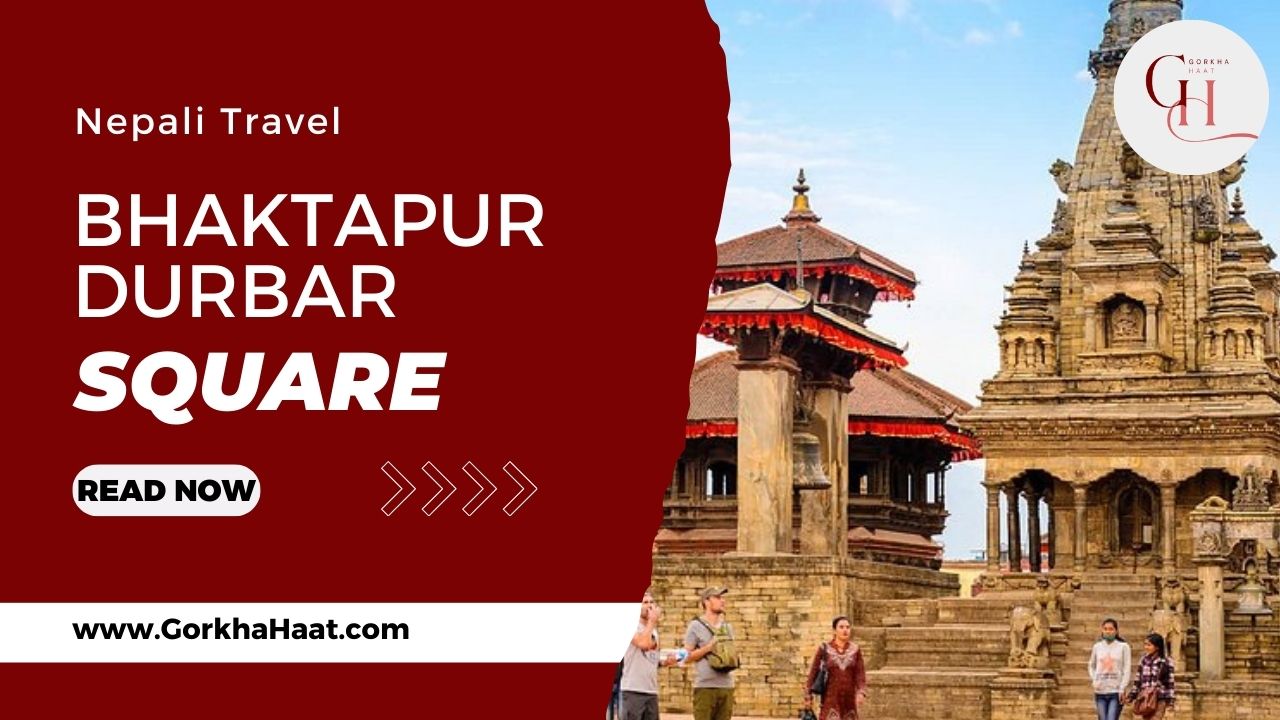
Bhaktapur Durbar Square is a UNESCO World Heritage Site known for its ancient palaces, temples, wood carvings, and vibrant Newar culture. A living museum of Nepal’s history, it continues to preserve traditional craftsmanship, festivals, and royal heritage in the most authentic form.

Nwaran – Naming Ceremony in Darjeeling and Nepal: Rituals, Astrology & Cultural Significance
Nwaran, the traditional naming ceremony in Nepal, is a sacred ritual where newborns receive their name based on astrological calculations and blessings from gods and family. It marks purification, protection, and the child’s formal introduction into culture and community.
Comments
User Name
This is an example comment. Users can leave feedback here.